
These fit right into our setup, making emotion handling easy for everyone.
Mastering ‘Opposite Action’ and Other Techniques in DBT
In Dialectical Behavioral Therapy (DBT) Programs, “opposite action” stands out as a clever hack for emotional jams. Feeling down and tempted to hide? Push yourself to connect instead—it breaks the downward spiral.
Billerica clients at Forrest Behavioral Health practice this in sessions, tracking moods in journals to spot patterns. Therapists guide you, highlighting when emotions mislead. For example, anger might spark a fight, but kindness diffuses it. This builds resilience over time.
Beyond that, techniques like grounding pull you back to the present, challenging negatives that fuel distress. Mastering these turns challenges into growth opportunities.
Practical applications show up in therapy through role-plays and homework, fostering adaptive habits.
The Core Techniques in Dialectical Behavior Therapy
Dialectical Behavioral Therapy (DBT) programs deliver strong methods in four main areas. Our licensed team at Forrest Behavioral Health weaves them into care for Billerica folks, using real-life know-how for full healing.
- Mindfulness: Watch thoughts like passing clouds, no judging.
- Distress Tolerance: Use TIPP—cool temps, hard exercise, slow breaths, relax muscles.
- Emotion Regulation: Check facts on feelings; try opposite action to switch habits.
- Interpersonal Skills: DEAR MAN for clear talks: Describe, Express, Assert, Reinforce, Mindful, Confident, Negotiate.
Theoretical Foundations of Emotions in DBT
- Emotions kick off as gut reactions that can build up fast if you don’t keep an eye on them—DBT sees them like a chain where one feeling sparks the next, heading toward tough spots or good changes.
- Getting this helps folks in Billerica snap out of bad cycles; our Forrest team uses it every day to guide people toward smarter responses.
- In sessions, mindfulness sharpens your self-view, while regulation tricks build better habits—like naming feelings to weaken them, grounding to stay present, or questioning wonky thoughts to see things fresh.
- It’s all about flipping that emotional spark into power for a stronger life.
DBT’s Impact on Borderline Personality Disorder
Dialectical Behavioral Therapy (DBT) Programs excel in taming borderline personality disorder (BPD), marked by emotional rollercoasters and rocky relationships.
Tailored for this, DBT teaches skills over a year via individual and group work. No BPD-specific meds exist, but DBT cuts symptoms like impulsivity. Billerica clients report fewer crises and stronger bonds. Studies confirm drops in self-harm and suicidal thoughts.
Our structure at Forrest Behavioral Health includes diary cards for tracking and phone coaching for real-time aid, mirroring proven methods.
Evaluating the Benefits and Challenges of DBT
Dialectical Behavioral Therapy (DBT) programs bring solid wins, like sharpening emotion control and building toughness. Folks in Billerica pick up mindfulness to ease stress, ways to handle crises, and better chat skills that lift self-esteem.
Quick phone help jumps in during rough spots. But it takes six to 12 months of steady effort with homework and meet-ups. It might not dig deep into old hurts, and good therapists can be hard to find.
At Forrest Behavioral Health, we make it easier with insurance options and open doors, tipping the scale toward the good stuff.
- Real Perks: Proven to cut self-harm and boost daily coping.
- Tough Bits: Long commitment needed; may skip complex trauma.
- Our Fix: Flexible plans ensure more wins than hurdles for locals.
Applications Beyond Borderline Personality Disorder
Dialectical Behavioral Therapy (DBT) Programs stretch far beyond BPD, aiding anxiety, depression, PTSD, eating disorders, and substance use in Billerica. Its emotional focus adapts to co-occurring issues, cutting self-harm and boosting function.
Studies back reductions in PTSD symptoms and addiction behaviors. For locals facing post-pandemic spikes—51% more kids with mental health woes in Massachusetts—DBT intervenes early.
Conditions treatable include:
Condition | Description | Effectiveness |
PTSD | Trauma anxiety | Symptom cuts |
Eating Disorders | Emotional eating | Behavior shifts |
Substance Use | Addiction cycles | Sobriety aid |
Depression | Persistent sadness | Mood lift |
Science supports DBT’s versatility for diverse needs.
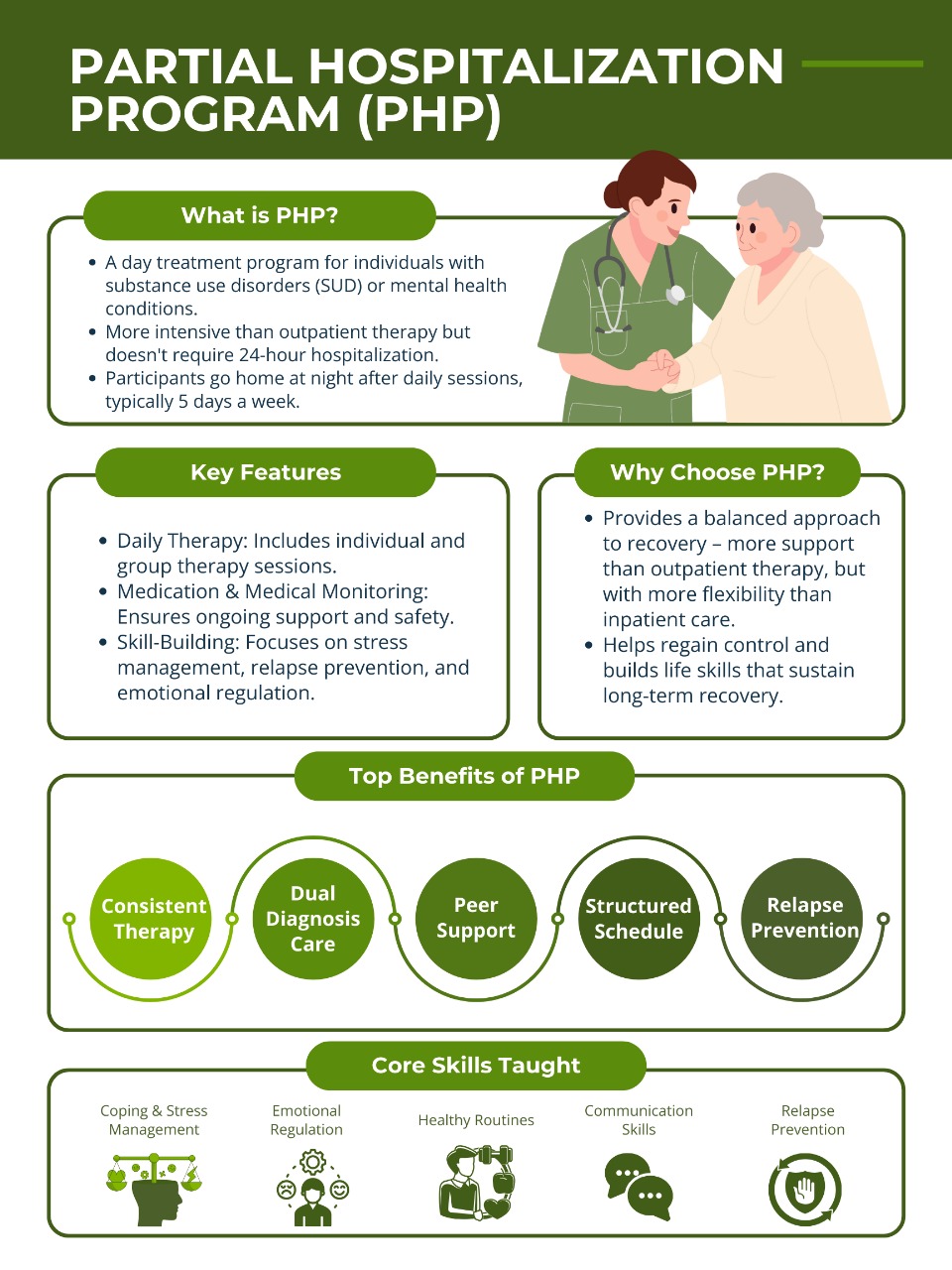
 Want to understand how this program can support you or a loved one? Read our latest blog on Partial Hospitalization Program (PHP) Concord to learn more.
Ready to Conquer Emotional Chaos? Explore DBT Programs in Billerica Now!
In the end, Dialectical Behavioral Therapy (DBT) programs truly light the way for Billerica folks wrestling with emotional ups and downs, turning chaos into calm through skills like mindfulness and “opposite action.”
We’ve seen it firsthand at Forrest Behavioral Health—residents breaking free from anxiety’s grip, rebuilding bonds, and dodging relapse pitfalls amid local stresses. It’s not just therapy; it’s a fresh start, backed by studies showing slashed self-harm and boosted resilience.
If emotions have you in a bind, why wait?
Reach out to us today at (781) 570-5781 or verify insurance online—let’s craft your path to steadier, brighter days together.