

How Mental Health Impacts Relationships (And How to Repair Them)
We often talk about mental health as something that happens inside our own heads. We think of it as a private battle with our own thoughts, moods, or energy levels. But the truth is, mental health doesn’t live in our heads; it seeps into our daily lives.
Whether it is a spouse, a parent, a child, or a best friend, our internal struggles often create issues in our external relationships. At Forrest BH, we see this every day.
Mental health challenges can put a strain on a relationship, but they don’t have to damage it. In fact, facing these challenges together can strengthen your bond.
Here is a simple look at how mental health impacts relationships and, more importantly, how you can start to repair them.
How Mental Health Creates Distance
When you are dealing with depression, anxiety, or trauma, it can feel like an invisible wall has appeared between you and the people you love. You might be physically in the same room, but emotionally, you are miles away.
This happens for a few common reasons:
1. The Social Battery is Drained
Mental health struggles are exhausting. When your brain is busy fighting off anxious thoughts or sadness, you don’t have much energy left for conversation or activities.
To a partner, this might look like you are being lazy or uninterested, but in reality, you are just out of fuel.
2. Irritability and the Short Fuse
Many people don’t realize that depression and anxiety often look like anger. When you feel overwhelmed, your brain might react by becoming defensive.
You might snap at your partner over something small, like the dishes or the laundry, because your internal stress level is already at a boiling point.
3. Withdrawal as a Shield
If you feel broken or not yourself, you might pull away because you don’t want to be a burden.
You might stop sharing your thoughts because you don’t think anyone will understand, or you feel guilty for being down all the time. However, this attempt to protect your loved ones often makes them feel lonely and pushed away.
How Does it Feel for the Other Person?
To repair a relationship, it is important to understand what the other person is going through. The partner or family member of someone struggling with mental health often feels:
Confused
They might wonder what they did wrong or why they can’t fix you.
Helpless
They want to help but don’t know how, which can lead to frustration.
Walking on Eggshells
They might stop bringing up their own needs because they don’t want to upset you further.
Recognizing your feelings is not about blaming yourself. It’s about understanding the situation better so you can start to make improvements.
Steps to Repair Your Relationships
If you feel like your mental health has caused a rift in your relationship, don’t lose hope. You can repair it with a few small, honest steps:
1. Talk it Out
The first and most important thing you can do to fix your relationship is to talk it out. You don’t need to prepare a long lecture; you just need honesty. Try saying: “I know I’ve been distant lately. I’m struggling with my mental health right now, and it’s making it hard for me to show up the way I want to. It’s not about you, and I’m working on it.“
This one sentence can remove a massive amount of confusion and guilt.
2. Separate the Person from the Problem
It is a good idea to talk about the mental health struggle as a third party in the room. Instead of saying “I am depressed,” try saying “My depression is making me feel really tired today.”
This helps both you and your partner realize that the illness is the enemy, not the person. When you team up against the problem, you stop fighting each other.
3. Set Small, Realistic Goals
If you can’t handle a big night out or a long weekend trip, that’s okay. Instead, find small ways to connect.
Maybe it’s sitting on the porch for 10 minutes without phones, or watching a show together. These small connections keep the bond alive without draining your battery.
4. Listen Without Fixing
This part is specifically for the partner or friend. Your job isn’t to be a therapist. Often, the best thing you can do is just listen.
You don’t have to have the answers. Simply saying, “I’m sorry you’re feeling this way, and I’m here with you,“ is more powerful than any advice you could give.
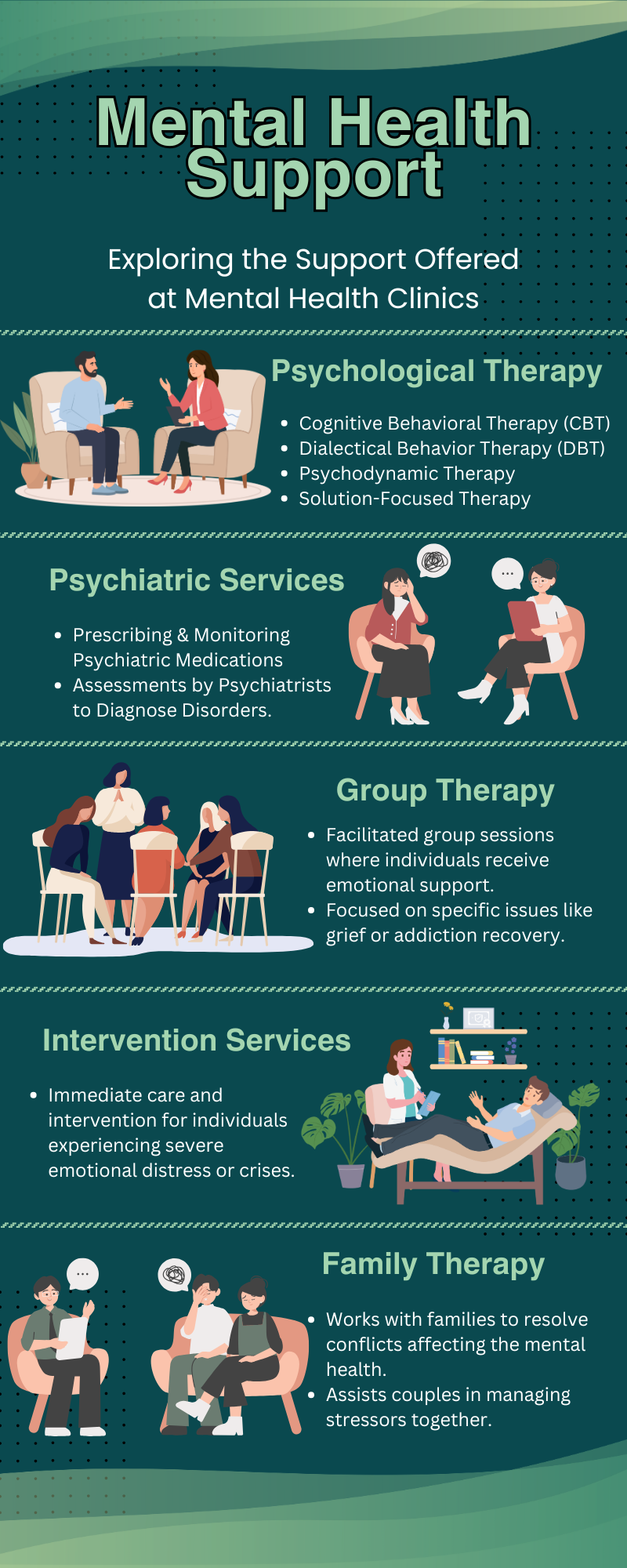
Rebuilding the Foundation at Forrest BH
At Forrest BH, we know you want your life and your relationships back. We offer a safe, kind place where you can get help without ever feeling judged.
We look at the whole picture – not just your symptoms, but how they affect your day-to-day life and the people you love. Our goal is to give you real, simple tools to help you stop fighting and start feeling close to your family again.
Insurance Verification
We know that starting treatment can feel overwhelming, especially when you’re already worried about your family. That is why our team handles all the logistics for you. From checking your insurance benefits to handling the paperwork, we do it all.
We want your only focus to be on your healing and your home!
A Brighter Future Together
Mental health struggles are just one part of your life, not the whole of it. If you stay patient and get the right help, you can fix the cracks in your relationships and make them even stronger than before.
You’ve been carrying this heavy load by yourself for too long. It’s time to bring in a team that knows how to help you lighten the burden.
Contact us at Forrest BH today. Let’s talk about your options, verify your insurance, and get you on a path toward a healthier mind and a happier home.
You deserve to feel like yourself again, and your family deserves to have you back. Reach out now, and let’s start the journey towards healing together!