

Balancing Independence & Mental Health: Why People Seek Trauma Treatment in Lexington, MA
The World Health Organisation (WHO) estimates that approximately 70% of people worldwide will experience a traumatic event at some point in their lives. It’s not just about numbers; many people have begun to figure out their lives on their own.
Living in Lexington, MA, comes with its own level of stress. When you’re trying to attain your objectives, enjoy your independence, and keep your mental health in check, it can be easy to feel overwhelmed. It’s no surprise that more people are turning to trauma treatment to regain control and make healthier choices.
Forrest Behavioral Health is here to help you deal with your past traumas. It focuses on giving the skills and confidence you need to do well on your own.
This blog covers why trauma treatment clinics in Lexington are so important for building stronger relationships and why asking for help is a big step toward long-term health.
What Makes It Challenging to Balance Self-Reliance with Mental Health?
Growing up in Lexington puts a special kind of pressure on you. Everyone expects you to do well in school, and the schools are challenging. It can seem like the unspoken norm is to be strong no matter what, whether you’re in high school, heading to college, or starting your first full-time job.
When the pressure gets too much, a lot of us start to compare ourselves to others and criticise ourselves.
“Everyone else seems to be managing… Why am I struggling?”
“I should be able to handle the situation by myself.”
“I don’t want to worry my family.”
The truth is, trauma doesn’t just fade once you hit a specific age. In fact, stepping into adulthood can bring those old experiences into sharper focus. Suddenly having to make decisions, establish boundaries, and maintain order can trigger the resurgence of feelings you previously believed had faded.
Trauma treatment centers in Lexington are vital for this reason. They help you make sense of those feelings and begin healing in a way that feels steady, supportive, and completely doable.
What Types of Trauma Are Common in Lexington, MA?
People frequently experience trauma symptoms after significant life transitions such as moving out, starting college, navigating new relationships, or suddenly taking on bills and responsibilities. These shifts can bring unresolved experiences to the surface.
Common sources of trauma include:
- Childhood emotional neglect or criticism
- Academic or performance pressure
- Toxic relationships
- Bullying or social isolation
- Family conflict or divorce
- Sudden loss or big life transitions
- Medical trauma
Trauma can be small or so normal that you don’t notice it until later.
In Lexington, high expectations lead many individuals to feel that they must conceal their struggles.
However, seeking assistance does not signify failure; it indicates a desire to improve oneself.
That’s why trauma treatment centers in Lexington are vital for those seeking support and a healthier way forward.
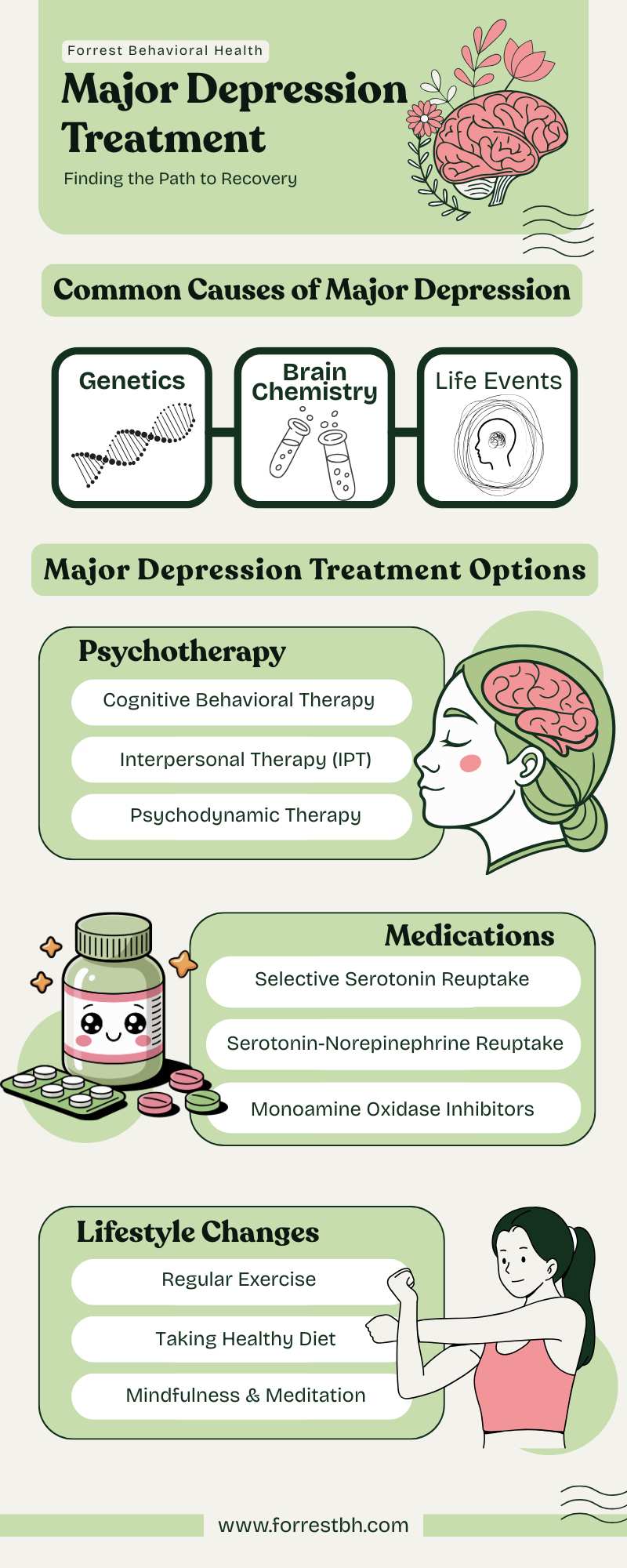
Why More People Are Considering Trauma Treatment Centers in Lexington
We all come to a situation in our lives where we wonder how to handle unresolved trauma while juggling responsibilities. Even when nothing big is going on, it’s normal to feel like you can’t handle it all. If you’re asking yourself whether it’s time to seek help, know that reaching out is a strength, not a weakness.
Let’s take a look:
1. A Safe Place to Talk Without Judgment
It’s hard to discuss trauma, especially when you’re afraid of being misunderstood or condemned. The Harris Poll and the American Psychological Association did a survey and found that 84% of U.S. citizens still think the word “mental illness” has a bad meaning.
Trauma treatment is different because it gives you a safe, private space where you don’t have to know or explain everything exactly. There is no pressure, only help that is perfect for you right now.
For many, this is the first place they truly feel heard and understood, making it a crucial step toward healing.
2. Evidence-Based Therapies That Actually Help
Trauma treatment centers in Lexington usually offer a range of specialized therapies, such as:
- Trauma-focused Cognitive Behavioral Therapy (CBT)
- EMDR (Eye Movement Desensitization and Reprocessing)
- Dialectical Behavior Therapy (DBT) for dealing with emotions
- Somatic Therapy
- Attachment-Based Therapy
These methods help individual understand what’s going on in their minds and bodies, showing them that their reactions are not only understandable but also valid.
3. Support That Fits Their Lives (School, Work, and Everyday Functioning)
Many trauma treatment centers in Lexington recognise that working individuals have busy, unpredictable lives. That’s why they make sure that the treatment fits your schedule, not the other way around.
This flexibility matters if you’re juggling a part-time job, full-time classes, or figuring out life with roommates and relationships for the first time; their flexible approach means therapy won’t slow you down. Instead, it slides right into your life, helping you heal without missing a beat.
4. Rebuilding a Sense of Safety and Identity
After going through anything traumatic, people often wonder, “Who am I besides my past?”
“Can I trust myself again?”
“How do I even begin to make friends?”
Trauma treatment centers in Lexington can help you rebuild the emotional foundation you didn’t have time to lay before, so you can move forward with more strength and confidence.
How Does Trauma Treatment Work in Lexington, MA?
If you’ve never gone to therapy before, here’s what it usually looks like:
A Warm, Low-Pressure Consultation
Most trauma treatment centres in Lexington begin with a calm, stress-free conversation. Now’s your chance to discuss your feelings, issues, and desired changes. You don’t have to make any promises; it’s just a safe place to be heard.
A Tailored Plan
Individuals receive a strategy tailored specifically for them. This could include one-on-one therapy sessions once a week, classes that focus on strengthening practical skills, gentle and safe trauma processing, and learning how to cope with emotions and deal with them more confidently.
Slow, Steady Progress
Healing doesn’t happen all at once. It happens at a speed that feels natural and comfortable. As they go through life, many people notice small but important changes.
For example, they realize that they react differently to stress, have calmer thinking, feel more confident about setting boundaries, sleep better, and feel emotionally lighter. These early changes may not seem like much, yet they are significant signals of growth.
Wrapping Up!
It can be hard for many people in Lexington to find a balance between being independent and taking care of their mental health, especially if they are suffering from unresolved trauma. This blog is all about how trauma treatment centers provide safe, flexible, and effective support to help you heal, build confidence, and thrive.
At Forrest Behavioral Health, our dedication lies in providing tailored care and evidence-based therapies to assist you on your journey.
Contact us today to start your path to lasting well-being. Don’t forget to read our next blog for more helpful tips on mental health and resilience.
Read Next: Struggling With Unprocessed Trauma? Here’s How Billerica, MA Treatment Centers Help