
From Olympian to Cocaine Kingpin: How Addiction Destroys Lives
You probably didn’t expect to see an Olympic athlete’s name in headlines about cocaine trafficking.
2002, Salt Lake City. Snowboarding for Canada. Ryan Wedding is twenty-two years old and has the entire world ahead of him. He is currently charged with federal offenses of allegedly operating a cocaine empire that transported 60 tons of cocaine across the borders. Sixty tons. The indictment speaks of a billion-dollar operation, conspiracy, and murder.
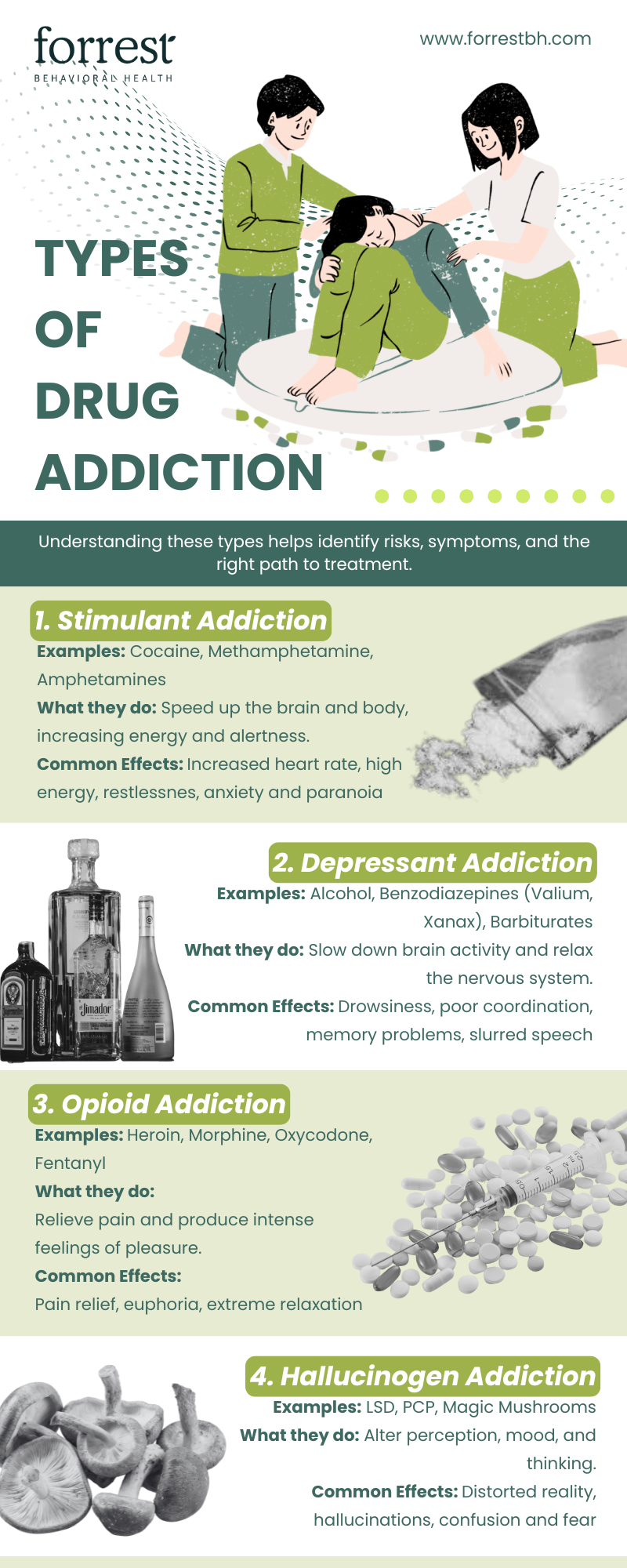
His story isn’t just about one person’s fall from grace. It reminds us in a stark way that anyone can be prey to cocaine addiction. The substance does not differentiate between Olympians and ordinary citizens. What it does do is destroy lives and futures with ruthless efficiency.
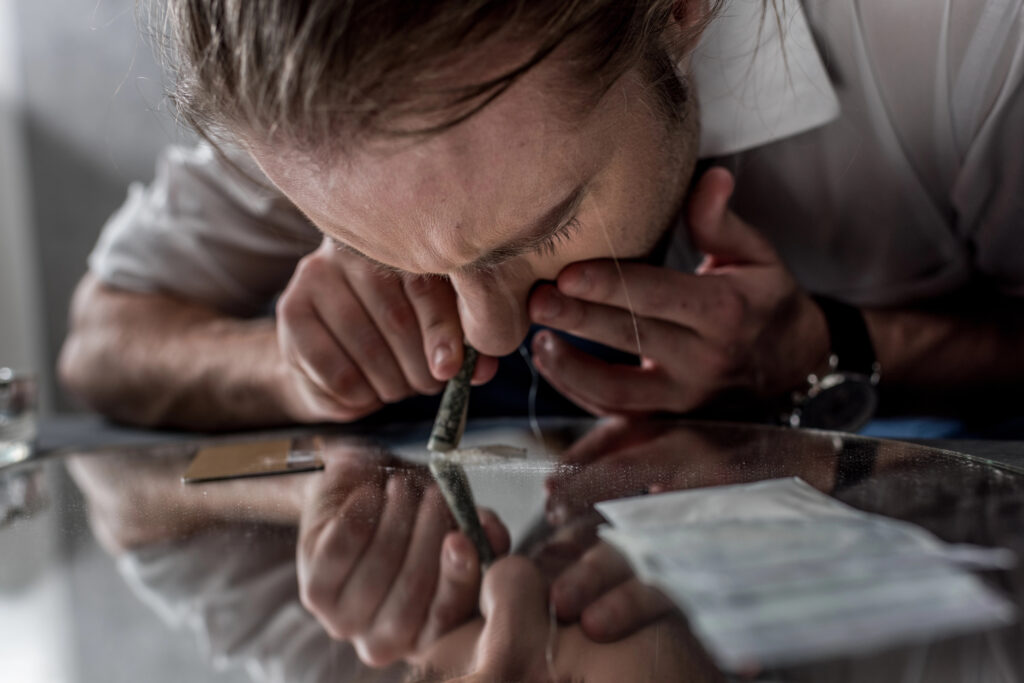
Cocaine abuse is a serious problem in Massachusetts. According to a 2021–2022 survey, an estimated 2.6% of people reported using cocaine in a given year. If the line between control and dependence blurred, would you recognize it?
Yes, you would. That’s exactly why you are here. Massachusetts has state-of-the-art mental health facilities that would assist you to turn over a new leaf Forrest Behavioral Health is one of them. Today, let’s have a virtual walk around our outpatient facility, where we offer customized and evidence-based treatment plans so you don’t have to leave your life behind.
Inside Forrest Behavioral Health’s Outpatient Program
So what does recovery look like?
Let us walk you through what happens at Forrest Behavioral Health in Bedford, Massachusetts. We believe that understanding the process can make all the difference when you’re trying to decide if you’re ready.
Starting Your Journey: The Assessment
First thing. You don’t just show up and get thrown into treatment. The initial phase begins with in-depth examinations in which our clinicians analyze your medical history, substance use behavior, mental illness, and personal conditions.
This isn’t a checklist. It’s a conversation. We are attempting to know your story, what made you get here, and what is holding you back. Then we build your treatment plan. Yours specifically.
Finding Your Level: Three Programs, One Goal
The program has three levels, depending on where you are in recovery and what kind of support you need.
1. Day Treatment: The Foundation
This is the most intensive. Five days a week with daily therapy and counseling sessions. You’re here for several hours each day, working through the hard stuff, learning new coping strategies, and building that foundation.
The best part? You still go home at night. You’re not locked away somewhere. You’re learning how to live differently while still living your life.
2. Intensive Outpatient: The Balance
This steps it down a notch. Three or five days/week, three-hour sessions. Scheduled in the evenings or weekends, often so that you can show up to your family and work. Recovery isn’t about putting your whole life on pause. It is learning to live without cocaine.
3. Traditional Outpatient: The Continuation
This is where a lot of people end up after having done the heavy lifting. Once or twice in a week, aimed at sobriety and intensifying the coping mechanism. The support is still there; the training wheels are removed.
The Therapies: What Happens in Sessions
Now let’s talk about what really happens when you’re here.
Cognitive Behavioral Therapy (CBT)
We use CBT to help you reframe the negative thoughts and behaviors that keep you reaching for cocaine. It’s practical stuff. Identifying triggers. Challenging the lies your brain tells you when cravings hit. Building new neural pathways that don’t lead straight to using.
Motivational Interviewing
You can’t force recovery. Thus, we employ motivational interviewing since we understand that long-term change begins internally. Our counselors do not lecture you or tell you what to do. Rather, we assist you to discover your personal reasons as to why you would like to stop.
Your own goals. Your own values. What matters to you? What are you losing to cocaine? What could your life look like without it? Sometimes you need someone to ask the right questions so you can hear your own answers.
Contingency Management
Let’s be practical. Staying clean is hard work, especially in the beginning. Contingency management is about recognizing that work with real, tangible rewards. You submit to drug testing. Your results come back clean.
Then, you earn incentives. Vouchers, prizes, privileges. It sounds simple, but it works. It strengthens good behavior when your brain is still recovering, when it is still learning to get pleasure in other things besides cocaine. Momentum builds confidence. Confidence builds recovery.
The Full Spectrum of Care
We also offer individual therapy, group sessions, family education, psychiatric care, and medication management when needed. Our relapse prevention planning is also part of the program to ensure you don’t fall back again. The group sessions? They’re powerful. Something about sitting in a room with other people who actually get it. Who’ve been where you are. Who won’t judge you because they know.
The Practical Stuff: Time and Cost
Time and cost matter too. We accept the majority of insurance companies in order to make therapy available to everyone. To find out what is covered, we’ll perform a free insurance verification. Cost shouldn’t be a barrier to receiving assistance.
Programs typically last eight to twelve weeks, but there is flexibility. Some people need more time. Some need less. We evaluate your progress regularly and adjust accordingly. The goal isn’t perfection. It’s not even “fixing” you. Our goal is equipping you with the tools, coping skills, and support system necessary for maintaining long-term recovery.
Final Words
Ryan Wedding had a choice after his first arrest in 2008. He could have reached out. Instead, he went deeper. Built an empire on the very thing that was destroying him.
You’re not him.
You’re here, reading this, which means some part of you knows there’s another way.
At Forrest Behavioral Health, we’ve seen people walk through our doors who thought they were beyond saving. Thought they’d burned too many bridges, hurt too many people, gone too far down the road. And we’ve watched those same people rebuild their lives, piece by piece, day by day.
Call Forrest Behavioral Health today. Your future self will thank you.