
The Line Between a High and an Overdose Is Thinner Than You Think!
Fentanyl wasn’t supposed to be a street drug. It was an operating room thing. A cancer pain thing. Something measured in micrograms, not eyeballed in a baggie. Yet here we are. It’s in the heroin. It’s in the cocaine. It’s pressed into pills that look exactly like the Percocet your doctor prescribed last year. And people are dying before they even know what hit them.
If you’re reading this, you already know. Maybe you’ve used it intentionally. Maybe it found you by accident. Maybe you’re terrified because the thing you thought you could control just proved you wrong.
You can still walk away from this. Even from fentanyl. An Intensive Outpatient Program in Massachusetts can help you do it without losing everything else in the process.
Why Fentanyl Isn’t Like Other Opioids
Let’s not pretend this is just another substance use disorder story. Fentanyl is different. Exponentially different.
It’s 50 times stronger than heroin. 100 times stronger than morphine. The amount that gets you high is terrifyingly close to the amount that stops your breathing. There’s no margin for error. No room to mess around. One bad batch, one miscalculation, one moment of not paying attention, and you don’t get a second chance.
The high hits faster. Burns out quicker. Leaves you chasing it more often. The withdrawal? It’s vicious, and it comes on fast. Twelve hours after your last dose, your body is screaming. Most people can’t make it through that alone. They don’t want to use it again. They just can’t stand the pain.
And that’s the trap, isn’t it? You’re not even using to feel good anymore. You’re using to not feel like you’re dying.
What an IOP for Fentanyl Addiction Does
An intensive outpatient program isn’t a magic cure. Let’s be clear about that. It is an evidence-based, structured method to recover your life without going into a treatment facility and disappearing behind the walls.
IOPs typically run 9-19 hours per week. You show up several days a week for therapy sessions group work, individual counseling, and skills training. You learn how to live without fentanyl running the show.
The number one benefit? You do all this while still living your life.
You sleep in your own bed. You keep your job. You see your kids. You don’t have to tell your boss you’re going away for thirty days. You just… show up for treatment the same way you’d show up for a class or a part-time job. Morning sessions. Evening sessions. Whatever works.
Massachusetts And The Dark Truth
Massachusetts knows fentanyl. We’ve been living with it longer than most states. The overdose numbers aren’t just statistics. They’re people. Your coworker. Your cousin.
The good news? Massachusetts also knows how to treat it.
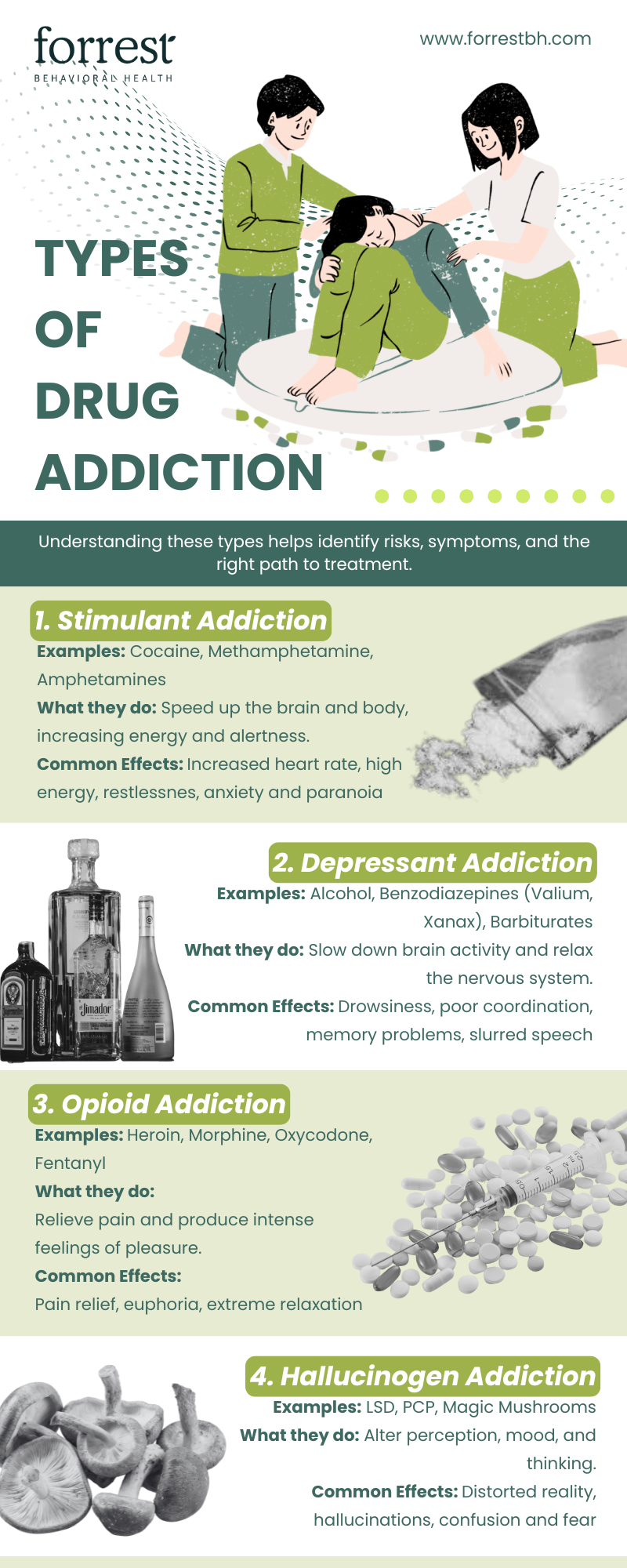
Programs like Forrest Behavioral Health have built IOPs specifically designed for fentanyl addiction. They understand that this isn’t about willpower or wanting it badly enough. It has to do with brain chemistry and trauma, and how your body is physically in need of this substance today, although it is literally eating you alive.
These interventions involve the combination of therapy and medication-assisted treatment. Buprenorphine (Suboxone) to treat withdrawal and cravings. Naltrexone to prevent the effects in case you slip. Methadone, if that’s what works for you. There’s no prize for suffering through withdrawal when there are medical tools that actually help.
And the therapy? It’s not sitting in a circle talking about your feelings while someone plays a guitar. It’s Cognitive Behavioral Therapy to rewire the thought patterns that keep you trapped. Dialectical Behavior Therapy to help you tolerate the discomfort without using. Trauma work to address whatever pain made fentanyl feel like a solution in the first place.
You can access these programs across Massachusetts and beyond. Close enough that “I can’t get there” stops being an excuse.
Why IOPs Work for Fentanyl Addiction
Here’s what makes intensive outpatient programs different from other options.
You practice recovery in the real world. Not in some controlled environment where everything is safe and structured, but in the messy reality of your actual life. You encounter triggers and have to navigate them. You feel cravings and have to use your skills. And when you stumble, you have support immediately available, not three weeks from now at your next appointment.
The cost is manageable. IOPs are significantly less expensive than residential treatment. Most insurance plans cover them. That means recovery becomes accessible instead of financially devastating. You’re not choosing between getting help and paying rent.
The flexibility matters. Fentanyl addiction doesn’t care about your schedule, but recovery programs should. Morning sessions for people who work evenings. Evening sessions for people who have day jobs. Weekend options. The treatment bends around your life because that’s the only way it actually works long-term.
Is an IOP Right for You?
Not everyone is a good fit for an IOP. Let’s be honest about that.
You might need medical detox first when you are in acute withdrawal from fentanyl and feel like you are about to die, shaky, vomiting, and all. In case of serious mental illnesses requiring 24-hour care, a higher level of care is required. Moreover, an IOP might not provide enough support if everyone around you continues to use.
IOPs are perfect for people who are ready to stop but need structure to make it stick. People who attempted unassisted quitting and discovered that the desire and antecedents are too much without support.
You don’t have to have it all figured out. You just have to be willing to show up and do the work.
Final Words
At Forrest Behavioral Health in Massachusetts, we’ve walked this path with hundreds of people who thought they were too far gone. Who believed fentanyl had them for good. Who couldn’t imagine a life without it because their brain chemistry had been hijacked and their body physically needed it just to feel normal.
They turned around. They did the work. They showed up to sessions even when it was hard. They used the skills even when it felt ridiculous. They took the medication even when some judgmental voice in their head said that wasn’t “real” recovery.
And they made it.
The walk back starts with a phone call. One conversation. One decision to try something different.
You don’t have to do this alone. You were never supposed to.