

Every day you wait, your brain and body adapt to this new normal. That is why early, consistent treatment makes recovery easier and more stable.
Breaking Through the Stigma of Substance Abuse Care in Illinois
Addiction is still treated as a moral failure in many circles, especially in smaller towns and tight‑knit communities. That stigma can keep people from reaching out for years.
- You might worry your employer will find out and treat you differently.
- You may fear your family will see you as “weak” or “unreliable.”
- Some communities still talk about “willpower” instead of brain chemistry.
The truth is that substance use disorders are medical conditions, not character flaws. Illinois treatment centers like Forrest Behavioral Health focus on evidence‑based care, not shame. We work with adults from all walks of life, including professionals, parents, and first responders, and we keep your information private.
What to Do If You’ve Been Delaying Treatment (Step‑by‑Step)
You do not need to fix your whole life in one day. You only need to start with one clear action.
Step 1: Acknowledge the need for change without self‑judgment
- Notice when you say, “I should be able to handle this.”
- Pause, take a breath, and say, “I am struggling, and that is okay.”
- Talk to one trusted person you feel safe with, even if just by text.
Self‑compassion lowers the pressure and makes action feel possible again.
Step 2: Audit your Illinois health insurance for mental health coverage
- Check your insurance card or member portal for “mental health” or “behavioral health.”
- Look for words like “outpatient therapy,” “IOP,” or “counseling.”
- Call customer service and ask:
- How many therapy sessions are covered per year?
- Is there a copay for each visit?
- Do you need a referral from your primary care doctor?
Illinois follows the federal Mental Health Parity Act, which means your plan should cover therapy in a way similar to medical care. If coverage feels unfair, you can ask for an appeal.
Step 3: Schedule a low‑pressure assessment at Forrest Behavioral Health
- Call or message us for a short, no‑charge phone check‑in.
- One of our team members will listen to your situation and answer your questions.
- If you decide to move forward, we will match you to a suitable level of care (PHP, IOP, or OP) without forcing you into anything that does not fit your schedule.
The first visit is not a commitment. It is a chance to understand your options and see whether our approach feels right for you.
Case Study: From Chronic Procrastination to Recovery in Illinois
A 30‑year‑old office worker in Chicago waited two years before calling a mental health clinic. She felt ashamed of her panic attacks and worried her boss would notice. Her sleep weakened, her focus dropped, and she started missing deadlines.
One stressful week, she visited an urgent‑care clinic with chest pain and was referred to a behavioral health center. There she began weekly therapy and an evening intensive outpatient group.
Over three months, her panic attacks became less frequent and less intense. Her doctor also helped her reduce anxiety with a small, safe medication plan. Today she reminds others that getting help is a sign of strength, not weakness.
 Continue learning how to get help for mental health in Illinois when you feel overwhelmed by reading our latest blog: “How to Get Help for Mental Health in Illinois When You’re Overwhelmed.”
Navigating Local Illinois Resources for Immediate Behavioral Support
Illinois has many forms of support, and you can mix them to fit your needs.
Finding the right level of care near you
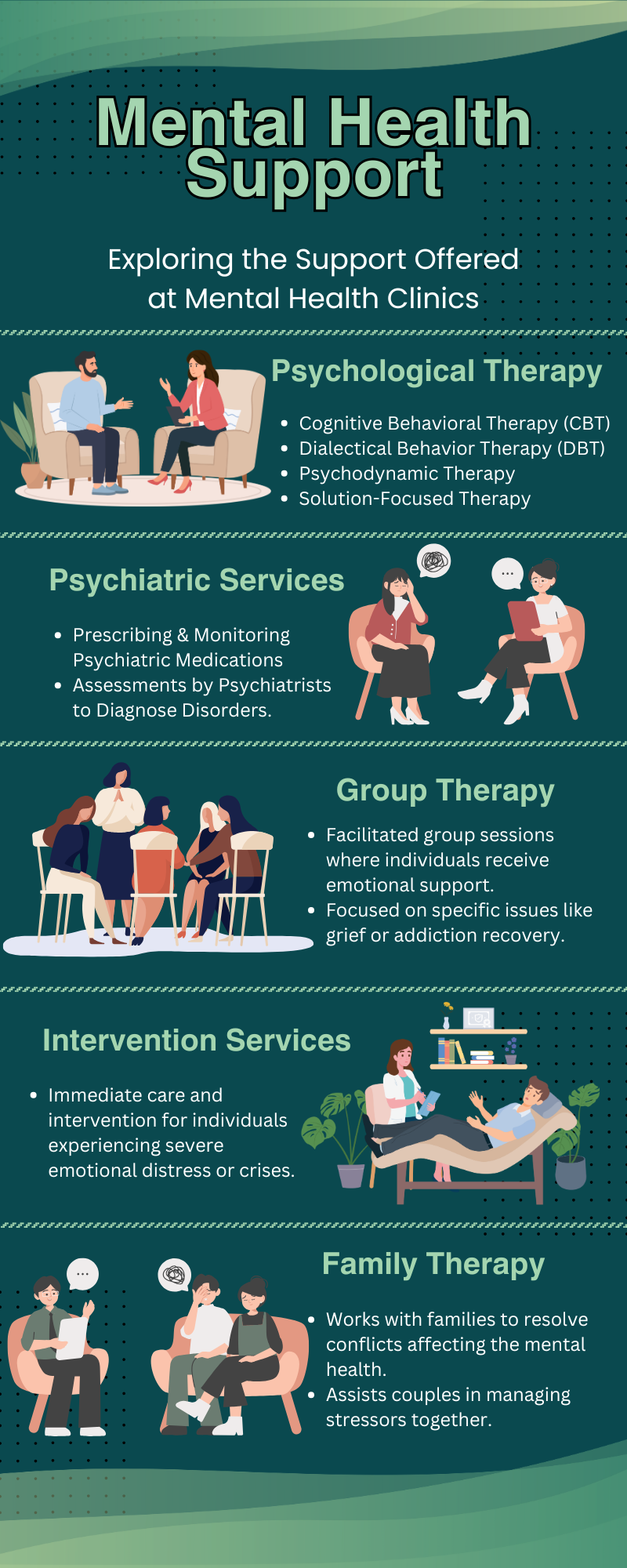
- Outpatient therapy is best if you can manage daily life but need weekly support.
- Intensive outpatient programs (IOP) work well if your symptoms are stronger and you need several sessions per week.
- Partial hospitalization is for those who need full‑day support but do not require 24‑hour supervision.
Forrest Behavioral Health offers PHP, IOP, and OP tracks in Hoffman Estates, IL, with virtual options for other parts of the state.
Using Illinois crisis hotlines and support networks
- Call or text 988 for the Suicide & Crisis Lifeline.
- Reach out to local NAMI chapters for peer‑run support groups.
- Ask your primary care doctor about community mental health centers in your area.
These resources can act as a safety net while you arrange longer‑term treatment.
Take the First Step with Forrest Behavioral Health Today
You do not have to feel this way forever. Treatment works best when you start before your symptoms feel completely unmanageable.
If you have been putting off help in Illinois, take one small step today. Call or message Forrest Behavioral Health for a confidential, no‑pressure assessment. We can help you clarify your needs, explain your insurance options, and match you with a program that fits your life, not one that disrupts it.
Your future is still unwritten. With the right support, you can turn this chapter of delay into a story of recovery.