

IOP for Depression: How Intensive Outpatient Treatment Works
High-performing professionals in Greater Boston often experience clinical depression very differently than the standard stereotype. It rarely looks like weeping in bed all day. Instead, it frequently manifests as profound apathy, chronic exhaustion, and a mechanical routine of just going through the motions to survive the workday. In 2026, data shows that over 21 million American adults experienced a major depressive episode.
A single weekly therapy session is rarely enough to penetrate this severe emotional numbness. You do not have to accept absolute emptiness as your baseline. Located in Bedford, Forrest Behavioral Health offers a highly structured Intensive Outpatient Program designed to provide the clinical density required to actually lift the fog.
The Silent Collapse: When High-Functioning Depression Hits a Wall
The specific reality of severe clinical depression is deeply rooted in profound neurobiological changes within the human brain. A primary and devastating symptom is anhedonia. This is the complete inability to feel pleasure or satisfaction from previously enjoyable activities.
Anhedonia is directly tied to abnormal connectivity between the brain’s reward networks and its executive functioning centers. Your brain physically stops releasing dopamine in response to positive stimuli. This biological deficit makes everything in your daily life feel entirely gray and completely pointless.
High-functioning depression also brings crushing executive dysfunction to the forefront of your professional life. Simple daily tasks like answering work emails or returning a text message suddenly require a monumental and exhausting effort. The brain literally lacks the biochemical energy required to initiate basic actions and organize thoughts.
This state of profound apathy is entirely different from situational sadness or temporary workplace burnout. When the central nervous system is locked in this neurobiological trap, you cannot simply force your way out with positive thinking. This physiological paralysis is exactly why intensive clinical treatment is absolutely necessary to initiate genuine healing.
The Energy Deficit: Why Weekly Therapy Falls Short
Relying solely on weekly therapy to treat severe depression contains a fundamental and dangerous flaw. Standard therapy requires the client to independently practice coping skills and regulate their mood for the remaining one hundred and sixty-seven hours of the week. A severely depressed brain simply lacks the chemical energy to maintain that solo effort.
When you operate with a massive energy deficit, remembering to use cognitive tools during a stressful workday becomes nearly impossible. Your exhausted prefrontal cortex simply cannot override the heavy emotional weight of the depression on its own. You need a much higher level of clinical support to interrupt this cycle.
A structured outpatient depression program solves this dangerous isolation. By immersing the individual in a supportive clinical environment multiple days a week, the program itself carries the heavy clinical weight. This creates actual forward momentum rather than just temporary symptom maintenance.
The human brain requires sustained repetition to forge new and healthy neural pathways. An Intensive Outpatient Program provides the exact required frequency to disrupt entrenched loops of hopelessness.
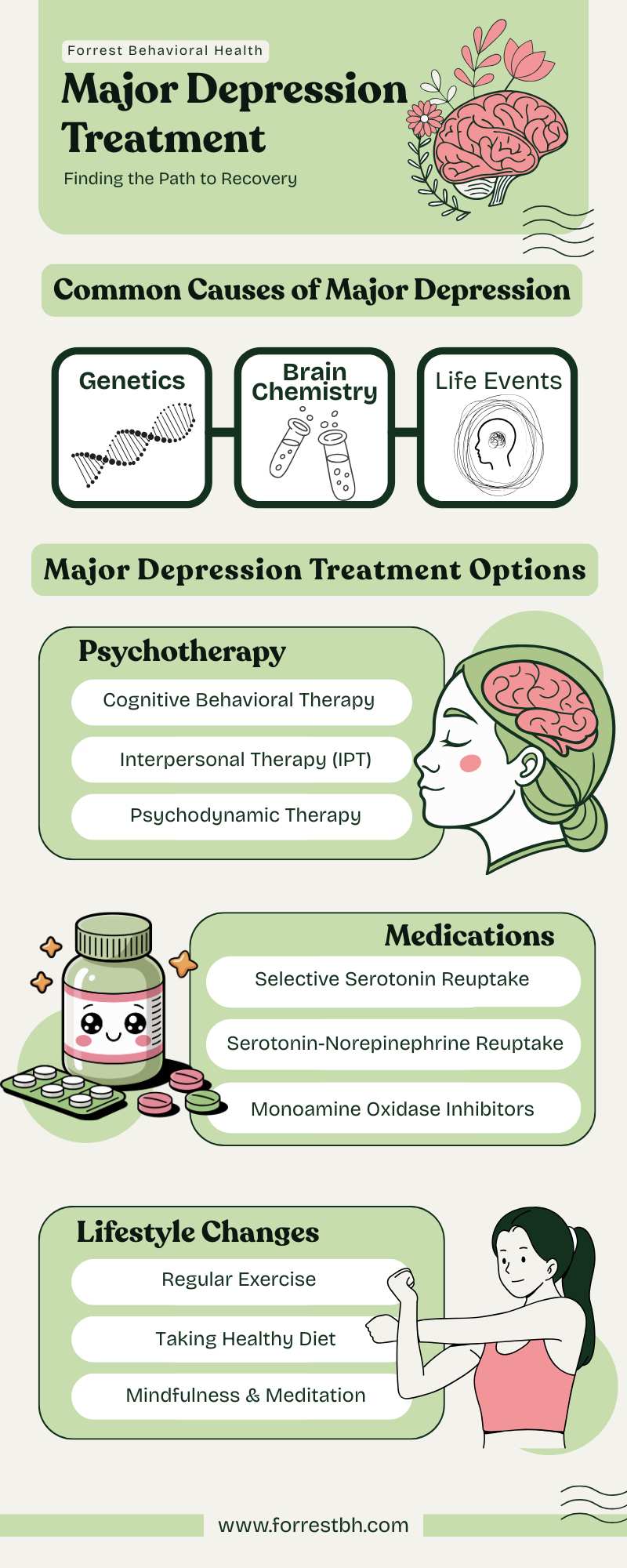
Inside Our Bedford Clinic: How Intensive Treatment Actually Works
Stepping into intensive care at our Preston Court facility is not just about having more frequent conversations with a therapist. It involves a carefully scheduled and highly multidisciplinary curriculum that targets the depressed brain from multiple angles simultaneously. Our clinical team works actively to rewire your damaged reward circuitry.
We deploy advanced Cognitive Behavioral Therapy to actively dismantle negative core beliefs and catastrophic thought patterns. This specific modality teaches your prefrontal cortex how to challenge the internal narrative of hopelessness before it dictates your physical behavior. You learn how to intercept negative thoughts logically and objectively.
We also integrate meticulous psychiatric medication management to stabilize your neurochemistry. Balancing your neurotransmitters gives your brain the biological energy it needs to fully engage in the deep therapeutic work. This comprehensive approach ensures no aspect of your mental health is left untreated.
Addressing the Dual Diagnosis Trap
Many high-achieving professionals develop co-occurring substance use disorders as a desperate attempt to numb their internal void. You might start relying on alcohol simply to force your mind to shut down after a grueling day at the office. This creates a deeply destructive cycle of chemical self-medication that makes the baseline depression infinitely worse.
Alcohol acts as a heavy central nervous system depressant that artificially suppresses your normal brain activity. When the alcohol wears off, the brain experiences a massive rebound effect that shatters your sleep and destroys your emotional stability.
Our dual diagnosis care addresses this chemical dependency right alongside the clinical depression. Treating both the substance use and the underlying mood disorder simultaneously is absolutely mandatory. This integrated approach is the only way to achieve sustainable and long-term recovery.
The Real-World Application of the Outpatient Model
The structure of our outpatient model provides a massive strategic advantage for high-achieving adults in Massachusetts. Clients receive robust psychiatric care during the day but return home to their own beds in Middlesex County every night.
This model allows you to gradually practice reengaging with your family and your daily life while fully supported by our clinical team. You can track your emotional progress in real time without the artificial isolation of a residential facility. Bringing real-world stressors back to your therapist the next morning allows for rapid clinical adjustments.
This dynamic structure creates a highly practical foundation for long-term emotional stability. You learn how to navigate the extreme corporate pressures of the Route 3 tech corridor without returning to a state of emotional paralysis. You rebuild genuine resilience while maintaining your professional momentum.
Step Out of the Fog and Reclaim Your Life
You must stop minimizing your psychological pain and prioritize your neurological health today. Chronic depression is a highly treatable medical condition, not a permanent life sentence. With the right level of clinical intervention, your capacity for genuine joy, focus, and connection will absolutely return.
Please reach out to our dedicated clinical admissions team today for a highly private and zero-obligation assessment. We will gladly discuss whether our intensive programs are the right fit for your needs and rapidly verify your insurance coverage.
Contact Forrest Behavioral Health by calling (781) 570-5781. You can also explore our sophisticated executive programs online at forrestbh.com.