
Halloween, Alcohol, and Relapse Risk: Staying Sober This Fall in Concord, MA
“Let’s normalize non-alcoholic drinks during holidays like Halloween.” Angela Phillips, PhD, a clinical expert at Advanced Recovery Systems, said that to Treatment Magazine. It sounds simple. For someone in early recovery, it can feel like a mountain.
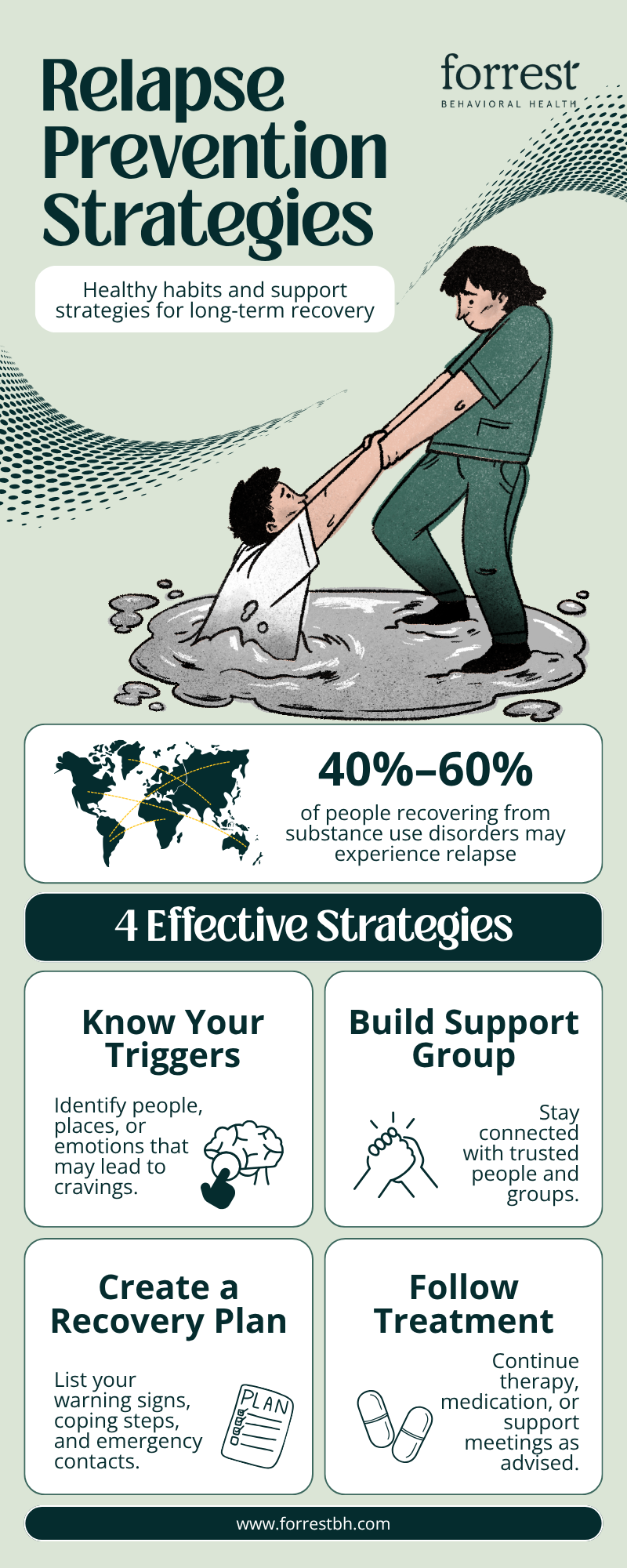
Here’s a number to hold onto. The National Institute on Drug Abuse puts relapse rates for substance use disorders at 40% to 60%. That’s in the same range as other chronic illnesses. Relapse isn’t a character flaw.
So how do you stay sober on Halloween in Concord? Decide your plan before the invitation arrives. Pick your drink, your exit, and your support person ahead of time. Then line up professional help before the long stretch from October 31 to New Year’s. Here’s how to do it.
Why Is Halloween a Risk for Relapse?
Halloween is the opening act. It kicks off the busiest social stretch of the year. Alcohol sits at the center of a lot of it. A few features make the night tricky.
Why Do Parties Make It Harder?
Costume parties and bar nights are often built around drinking. The room is loud and crowded. Someone hands you a cup before you’ve thought about it. Old drinking buddies may show up in costume too. Familiar faces and familiar settings can pull hard on memory. Even a party you’d normally enjoy can feel risky when you’re a few months into recovery.
What Comes After October 31?
Halloween rarely stands alone. Thanksgiving lands on November 26. Then come the December parties and New Year’s Eve. If your plan only covers one night, the next gathering catches you off guard. Treat Halloween as practice for the whole stretch.
Our piece on relapse prevention after a sober summer in Concord covers the wider fall picture.
What Does the Research Say About Relapse?
Relapse sounds like failure. The science says otherwise. A hard stretch doesn’t end a recovery. What matters is how quickly you get support again. NIDA frames addiction as a chronic condition that needs ongoing management. Here’s what that means in plain terms.
- The rate: NIDA lists 40% to 60% for substance use disorders.
- The comparison: It lists 50% to 70% for hypertension and asthma.
- The message: NIDA says relapse “doesn’t mean treatment has failed.”
- The next step: A relapse signals a need to resume, modify, or try new treatment.
What Should My Halloween Plan Look Like?
A good plan is specific. Vague intentions fall apart at 10 p.m. in a loud room. Build yours in layers: what you do before, during, and after the event.
Before You Go
Decide in advance which events you’ll attend and which you’ll skip. Saying no to one party can protect your whole month. You don’t owe anyone an explanation. Eat first, since hunger weakens resolve. Tell one trusted person where you’ll be and ask them to expect a text. Pick your non-alcoholic drink before you arrive. Having a plan for what to say when someone offers a drink takes the pressure off in the moment.
While You’re There
Carry your own drink and keep it in your hand. Stay near people who know your situation. Set a time limit and keep to it. Leaving early is a win, not a failure. Drive yourself so you control your exit. If cravings spike, step outside and call your support person. Taking kids trick-or-treating? Plan that sober too. The candy-and-costumes version of Halloween has no alcohol in it at all.
A Real-World Case: Recovery Treated Like Any Chronic Illness
Here’s a real-world comparison that reframes the night.
Think about a person managing high blood pressure. They have a salty meal at a party. They don’t panic or quit their care plan. They check in with their doctor, adjust, and keep going.
NIDA draws a similar parallel. Its data put relapse rates for substance use disorders in the same range as hypertension and asthma. It also says treatment gets resumed or changed when symptoms return.
Apply that to Halloween. A slip doesn’t erase your progress. It tells you where the plan needs more support.
The comparison can’t predict any one person’s outcome. It does show that planning, monitoring, and adjusting work better than white-knuckling alone.
What If I Slip?
Shame is the biggest danger after a slip. A single drink can feel like proof you’ve blown it. It isn’t. It pushes people to hide and to keep drinking. Act fast and keep it simple.
- Reach out today. Call your sponsor, therapist, or support person.
- Skip the self-punishment. One drink doesn’t cancel your recovery.
- Get help with heavy use. If you drink heavily every day, stopping suddenly can be dangerous. Talk to a professional about supervised detox first.
- Call for crisis help. Call or text 988. You can also reach the SAMHSA helpline at 1-800-662-4357.
Where Can I Find Support Near Concord?
Forrest Behavioral Health sits at 4 Preston Court in Bedford, close to Concord. The team offers outpatient care, an intensive outpatient program, and an Evening IOP built around work and family. The first step is a short, confidential call. Staff check your insurance for free.
- Call (781) 570-5781 to talk with a specialist.
- Take the alcohol use self-assessment. It uses the 10-question AUDIT. A score of 8 or higher means it’s time to talk with a clinician.
- Verify your insurance before you book.
- Check our areas we serve page for your town.
Own the Night Before It Owns You
Halloween only lasts one evening. Your recovery lasts much longer. The costume comes off at midnight. The choices you make that night stay with you. A plan made this week gives you room to enjoy the costumes, the candy and the company without gambling on willpower. Support now also carries you toward Thanksgiving and beyond.
Ready? Call Forrest Behavioral Health at (781) 570-5781 or verify your insurance. Worried the holidays will stir up more than cravings?
Read our guide to holiday anxiety treatment in Lexington. If you’re in crisis, call or text 988.