
When someone you love can't see it yet, we can help you say it.
A professionally guided intervention gives your family a calm, planned way to speak the truth with love — and gives your loved one a clear path into treatment the same day.
A planned conversation, not a confrontation.
An intervention is a structured meeting in which the people closest to someone struggling with substance use or a mental health condition come together to share, honestly and without blame, how that person's struggle has affected them — and to offer a concrete, ready-to-go plan for treatment.
Addiction changes how the brain weighs risk and reward, which is why so many people in its grip cannot see what is obvious to everyone around them. A professional interventionist helps the family break through that denial with facts, feeling, and a clear next step, while keeping the room safe and focused on healing rather than old arguments.
At Forrest Behavioral Health, interventions are led by a Nationally Certified Intervention Professional and connect directly to our own programs in Bedford, MA — so when your loved one says yes, treatment is already arranged.
Four things every successful intervention has.
Interventions fail when they are improvised. They succeed when these pieces are in place before anyone sits down.
Professional guidance
A certified interventionist sets the tone, keeps the conversation from turning into an argument, and knows what to do if it does.
Preparation
Each participant writes and rehearses what they'll say — specific moments, not accusations — so nothing is left to the heat of the room.
A clear path in
Insurance verified, a program chosen, a start date ready. The only decision left for your loved one is "yes."
Healthy boundaries
Family members decide, in advance, what will change if treatment is refused — stated as self-care, never as punishment.
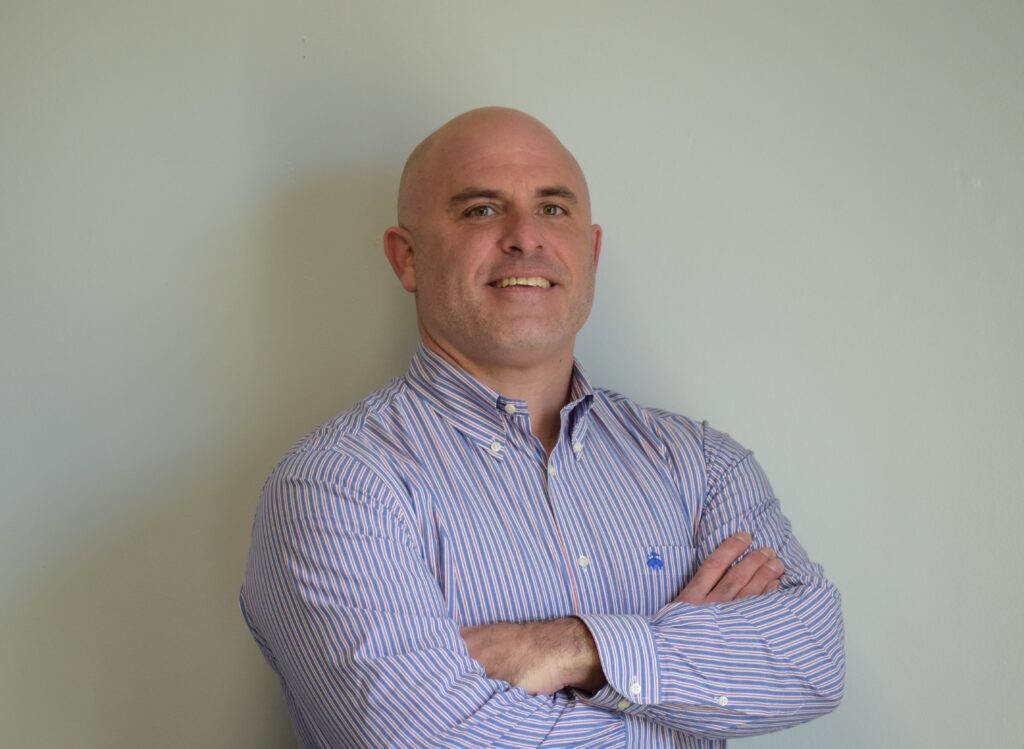
Nicholas VendittiDirector of Admissions · Nationally Certified Intervention Professional
Nick leads every intervention Forrest Behavioral Health conducts. As a Nationally Certified Intervention Professional (NCIP) and Certified Addiction Recovery Coach (CARC), he works with families from the first phone call through the day of the intervention and into the first weeks of treatment.
Because Nick also directs admissions at Forrest, there is no hand-off: the person who helped your family prepare is the same person who welcomes your loved one into the program. Families consistently describe him as calm, direct, and unwilling to give up on anyone.
From your first call to their first day of treatment.
Most interventions come together within a few days. Here is what to expect.
Confidential consult
You tell us what's happening. We listen, ask questions, and help you decide whether an intervention is the right move right now.
Planning & insurance
We identify who should be in the room, choose a time and place, and verify coverage so a treatment plan is ready before the meeting.
Family preparation
Nick meets with the group, helps each person write their letter, and rehearses the conversation — including the hard moments.
The intervention
A guided, respectful meeting focused on love and a clear offer of help. Nick manages the room so the family can focus on what they came to say.
Straight into care
When your loved one accepts, we move quickly into the right level of care at Forrest and keep the family involved throughout.
The right model for your family.
There is no single script. During your consult, Nick will recommend the approach that fits your loved one, your family, and how urgent the situation is.
Johnson Model
The classic, planned intervention. Family and friends prepare privately with the interventionist, then meet the loved one together with a treatment plan already arranged.
Best for: someone who is in denial or has repeatedly refused help.
Invitational / Family Systems
The loved one is invited to a family workshop rather than surprised. The focus is on how the whole family relates to the problem, so everyone changes together.
Best for: families who want to preserve trust, or where addiction and mental health overlap.
Crisis Intervention
When there has been an overdose, an arrest, a hospitalization, or immediate danger, we act fast — often within 24 hours — to stabilize and connect to care.
Best for: situations where waiting isn't safe.
What helps — and what doesn't.
Do
- Speak from love and specific memories: "When you missed Dad's surgery, I was scared."
- Keep the focus on the future and the offer of help, not a list of past mistakes.
- Stay calm if your loved one gets angry — it's expected, and Nick will handle it.
- Frame boundaries as protecting yourself, and be prepared to hold them.
Avoid
- Shaming, yelling, name-calling, or ultimatums delivered in anger.
- Holding the meeting when your loved one is intoxicated or in withdrawal.
- Including anyone who can't stay composed, or who is struggling with substances themselves.
- Going in without a plan — the strongest intervention ends with a car ride to treatment, not a promise to "look into it."
Treatment is ready the moment they say yes.
Every intervention we conduct is built around a real plan at Forrest Behavioral Health in Bedford, MA. If a higher level of care such as detox is needed first, we coordinate it and receive your loved one afterward.
Day Treatment (PHP)
Structured, intensive care five days a week while living at home or in sober living.
Intensive Outpatient (IOP)
Several sessions a week, with evening options to work around jobs and school.
Dual Diagnosis
Integrated care when substance use and a mental health condition occur together.
Outpatient Program
Weekly therapy and ongoing support for lasting recovery.
Mental Health Treatment
Interventions aren't only for addiction — we also help families reach a loved one in a mental health crisis.
Verify Insurance
Free, fast, and confidential. We accept most major plans.
Frequently asked questions
What if my loved one refuses?
How long does it take to arrange?
Who should be there?
Does insurance cover intervention services?
Can you help if the issue is mental health rather than substances?
Planning an intervention is an act of love.
You don't have to figure this out alone. Call us, and Nick's team will help you decide what to do next — even if the answer isn't an intervention.
Available 7 days a week · 100% confidential · 4 Preston Court, Bedford, MA 01730