Forrest Behavioral Health

Family Support and Education for Addiction

Family Support and Education for Addiction: How to Help Someone with Addiction in MA

Family Support and Education for Addiction: How to Help Someone with Addiction in MA

Definition: Family support and education in addiction is involvement of the family in understanding of the family in understanding the patient’s addiction. They gain knowledge on how to deal with a patient who goes through substance use disorder. They learn how to respond in a healthy way to keep the patient stable. 

What Does Helping Someone With Addiction Mean?

Helping someone with addiction in Massachusetts (MA) means understanding addiction. As addiction affects the brain and behaviour, willpower alone is often not enough to overcome it. 

This is where family support becomes essential in helping the individual face this challenge.

Managing addiction is challenging, but with family support and consistency patient can achieve recovery. A strong family presence helps the individual feel supported rather than isolated. It reminds them that they are not alone in facing their mental health struggles. 

Early identification of addiction symptoms can reduce the risk of serious emotional and physical consequences. In Massachusetts, professional addiction treatment options are available to support long-term recovery.

Key Takeaways 

  • Addiction negatively affects a person’s mental and physical health; family involvement supports their recovery.
  • Communication without judgment reduces triggers and build healthy relationship with the patient.
  • Multiple treatment options can help – including inpatient or outpatient programs.
  • Family education and therapy can empower the person to come out of the challenge.

Why is Family Support Important in Addiction Recovery?

Emotional stability has been strongly associated with successful addiction recovery. People struggling with addiction often feel isolated, guilty, and emotionally overwhelmed. Family support helps individuals feel understood rather than alone, giving them the strength to face recovery with confidence. 

When families provide reassurance, encouragement, and patience, these forms of mental health support become powerful tools in helping a person move away from addiction.

According to recent statistics, about 9.1 % of New Hampshire’s population reported having a substance use disorder in the past year. This rate is higher than the nationwide average of 7.4%.

Even after completing treatment, continued family support remains essential. A supportive home environment can help prevent relapse by encouraging healthy habits, recognizing early warning signs, and reinforcing the progress made during treatment.

Early Warning Signs of Substance Use Problems in Loved Ones

Each individual is different; there are several common physical, emotional, and behavioral signs that a person struggling with addiction may experience. 

1. Behavioral Changes: 

Behavioural changes are often one of the earliest signs of addiction. Individuals may prefer isolation, withdraw from family gatherings, and show sudden changes in personality or daily habits.

2. Emotional and Mental Health Signs: 

Emotional signs commonly include mood swings, anxiety, and emotional instability. Feelings of guilt and shame are also frequent, which may cause the individual to become easily frustrated or emotionally distant from others.
3. Physical Symptoms: 

Physical symptoms can include strong substance cravings along with noticeable weight loss or weight gain. These physical signs often reflect the body’s response to prolonged substance use.

4. Social Changes: 

Social changes may also develop, as individuals may avoid spending time with family, lose interest in maintaining relationships, and limit their social interactions. 

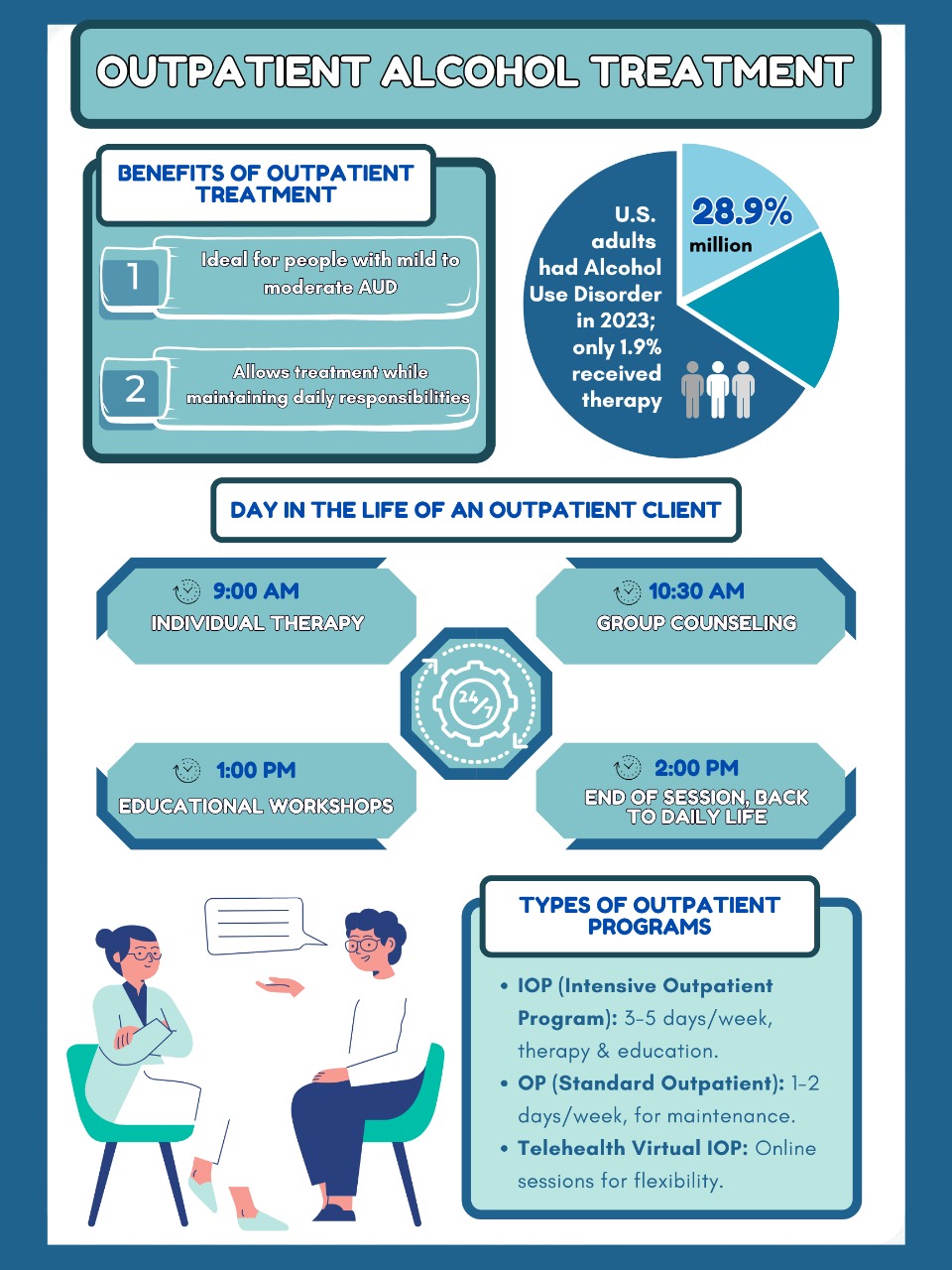
Outpatient Alcohol Treatment Forrest Behavioral Health

How Families Can Help Someone With Addiction in Massachusetts?

1. Educating About Substance Use Disorders: 

When it comes to building family support, the first thing therapists do is to educate about addiction. Once families recognise and understand their loved one’s substance use disorder, it’s easier to deal with the patient in this condition.

2. Communicating without Judgment: 

Connecting with the patient who has a substance use disorder is quite difficult. Maybe the patient does not respond normally. The therapist will guide you on how to communicate with them about behaviours that may be triggering.

3. Encouraging Treatment and Assessments: 

When you get to know that your loved one is struggling with substance use disorder, then encouraging them for treatment is the next task. Do acknowledge them, so that they can come out of this challenge through assessment and treatment.

4. Setting healthy Boundaries: 

Family members must maintain healthy boundaries to help the patient remain calm. This approach encourages open communication and allows the patient to express themselves more comfortably.

“Battling addiction is hard; family helps to stand strong again.”

Addiction Treatment Options Available in MA

Medical Detox Programs: 

Medical detox provides a supervised and structured approach to help patients safely cope with withdrawal symptoms. Performed under professional supervision, it prepares both the mind and body for the next stage of recovery.

Inpatient Rehabilitation: 

Inpatient rehabilitation provides 24/7 treatment in a structured, supportive environment. Patients receive around-the-clock care to manage withdrawal symptoms, participate in therapy and focus entirely on their recovery.

Outpatient and Intensive Outpatient Programs (IOP): 

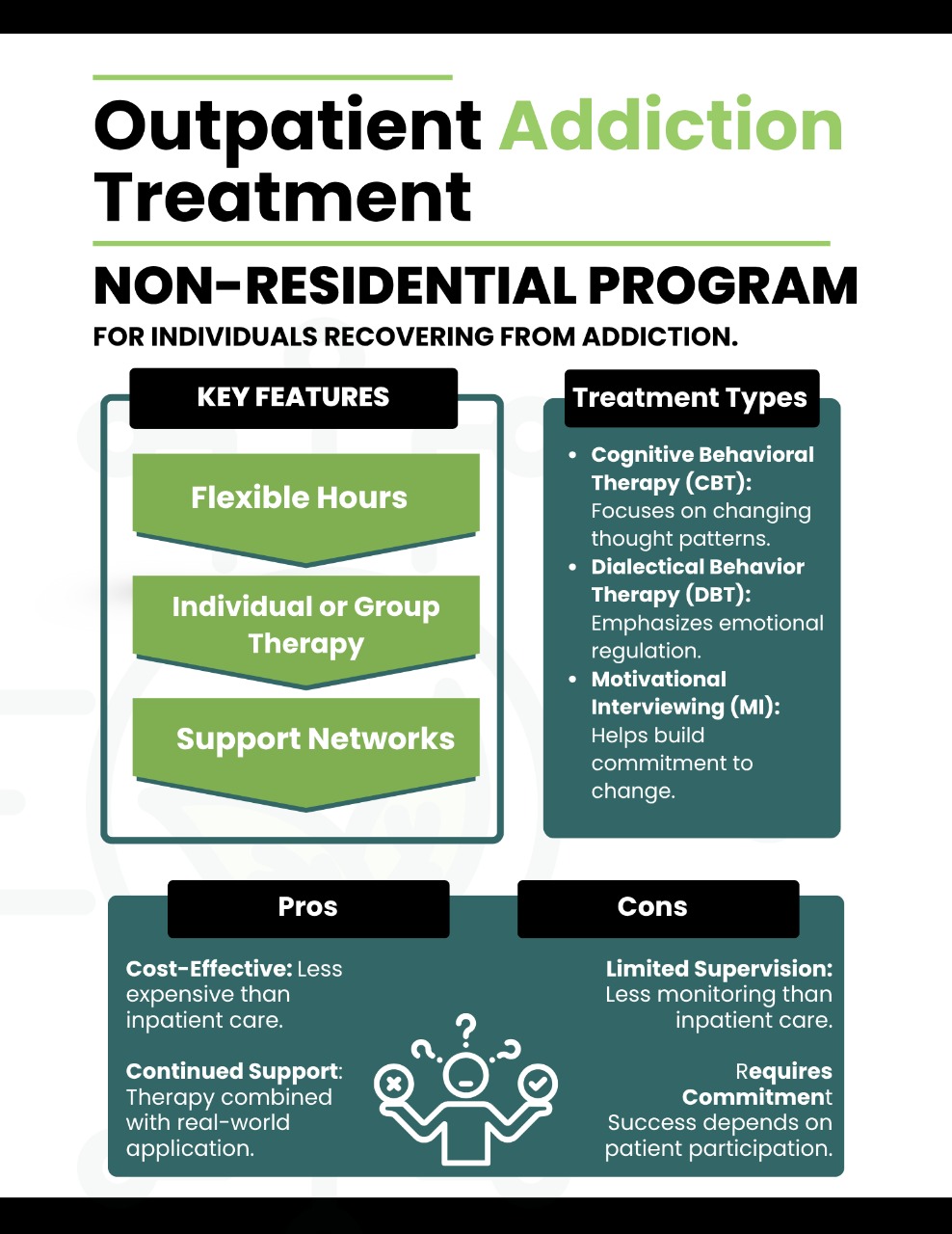
Outpatient and Intensive Outpatient Programs allow patients to attend CBT and DBT therapy sessions while continuing to live at home. 

These sessions work on emotional regulation, coping strategies, and managing triggers, helping patients gradually reintegrate into daily life.

Outpatient Addiction Treatment Forrest Behavioral Health

Medication-Assisted Treatment (MAT): 

Medication-Assisted Treatment (MAT) uses FDA-approved medications prescribed by a psychiatrist to reduce cravings and withdrawal symptoms. MAT is combined with individual and group counselling, where therapists guide patients in developing coping strategies and managing relationships.

“Addiction shakes a life, but strong family support can bring healing.”

When to Seek Immediate Help in Massachusetts?

When a loved one shows signs of emotional instability, you should seek emergency medical care immediately. If withdrawal symptoms continue to be severe after medical detox, immediate medical care is required. Additionally, patients experiencing severe anxiety, emotional instability, or other mental health crises should receive immediate treatment.

Family Support During Treatment

Family support plays a crucial role in addiction recovery by offering emotional care and encouraging appropriate treatment. Families help maintain healthy boundaries while showing compassion and understanding. Their support extends from recognising early symptoms to helping select the right type of treatment. 

With proper guidance and ongoing support, treatment plans can promote long-term recovery and help restore stability and peace in life.

If your loved one is struggling with addiction, you can support them with the knowledge and resources. For expert guidance, visit Forest BH in Massachusetts.

Forrest Behavioral Health

Are you ready to overcome your addiction or learn more about our treatment programs? We are here for you.

Related Articles

leaf

Need treatment?

Get a call to start your recovery journey.

"*" indicates required fields

Other Posts

Verify Approval for www.forrestbh.com

Are you ready to overcome addiction? We encourage you to request a phone call from a recovery specialist.

"*" indicates required fields