

Forrest Behavioral Health

Fentanyl Addiction Treatment In Massachusetts

Fentanyl Addiction Treatment In Massachusetts What To Expect And How Recovery Can Start Fentanyl Addiction Treatment in Massachusetts

What To Expect And How Recovery Can Start Fentanyl Addiction Treatment in Massachusetts

“The best evidence we have supports a combination of medication and psychosocial or behavioral treatments… Medications like methadone or buprenorphine… are the standard of care.” Sarah Wakeman, MD (Addiction Specialist, Massachusetts General Hospital)

Fentanyl can change a person’s life quickly, and the overdose risk can stay high even after short or occasional use. 

Massachusetts reports that fentanyl was present in 90% of fatal opioid-related overdoses in 2023, where toxicology was available (preliminary), which shows how contaminated and unpredictable the supply has become.

In this guide, we explain what fentanyl is, how Fentanyl Addiction Treatment In Massachusetts works, what detox and withdrawal may look like, and how levels of care like PHP, IOP, and OP can support long-term recovery.

Why Fentanyl Addiction Treatment In Massachusetts Matters

Fentanyl is now a major driver of opioid overdose harm across the state, which is why timely, structured care matters. 

Massachusetts also reported fentanyl detected in 93% of opioid-related overdose deaths in the first three months of 2023 (preliminary), which shows how often it appears in fatal overdoses.

At Forrest Behavioral Health, we focus on planning the safest next step, starting with stabilization and then building skills that hold up in real life. Treatment often works best when it follows a clear step-up and step-down path, instead of leaving you to “white-knuckle” cravings alone.

What Is Fentanyl And Why Is It So Dangerous?

Fentanyl is a powerful synthetic opioid, and small amounts can be risky because potency can be hard to judge. It may also show up in drugs sold as something else, which means people may be exposed without expecting it.

Another danger is speed. A CDC report on fentanyl overdose in Massachusetts describes how fentanyl overdose can progress rapidly and emphasizes that naloxone needs to be given immediately, sometimes in multiple doses, once overdose symptoms are recognized.

What Fentanyl Is (Simple Explanation)

  • Strong opioid, short-acting, high potency.
  • Illicit fentanyl may be mixed into powders or pills, and buyers may not know.

Why Overdose Risk Can Be Higher With Fentanyl

  • Overdose can progress fast, leaving less time to respond.
  • Strength can vary, and tolerance drops after a break from use.

Signs Of Fentanyl Addiction (And When To Get Help Fast)

Fentanyl addiction is not only about how often someone uses. It is also about loss of control, cravings, and continuing to use even when relationships, health, or work are suffering.

If you notice a pattern where stopping leads to strong withdrawal and using again feels like the only way to function, it may be time to ask for help. In many cases, the next right step is Opioid Addiction Treatment in Massachusetts that includes medical support, plus therapy and structure.

Behavioral And Physical Signs Of Fentanyl Use Disorder

  • Using more than planned, or using longer than planned.
  • Cravings and preoccupation with getting or using.
  • “Nodding off,” sleep disruption, constipation, and mood changes.

Withdrawal And Dependence Signs

  • Flu-like symptoms, stomach upset, sweating, chills, aches.
  • Anxiety, irritability, and sleep problems.

When To Seek Emergency Help

Call emergency services right away if someone is unresponsive, breathing slowly, or has blue/gray lips or skin tone changes. The CDC report also stresses that naloxone can reverse a fentanyl overdose when given immediately and in sufficient dosage.

Fentanyl Withdrawal And Detox In Massachusetts: What To Expect

Fentanyl Withdrawal Treatment in Massachusetts often starts with stabilization, because withdrawal discomfort and cravings can be intense. Detox support focuses on safety, hydration, symptom relief, and preventing a fast return to use during the hardest early days.

Detox is not the full treatment plan. It is the first step that helps clear space for therapy, medication planning, and routines that reduce relapse risk over time.

Why Medical Detox Often Matters For Fentanyl

  • Helps manage symptoms and reduce early relapse pressure.
  • Supports safer decision-making during a high-risk window.

How Long Withdrawal Can Last (High-Level)

The CDC report describes rapid onset overdose risk, but does not set a single detox timeline for everyone, and that is important because withdrawal varies person to person. Your treatment team should set expectations based on your history, your health, and what substances are involved.

Outpatient Detox Vs. Inpatient Detox for Fentanyl

  • Outpatient detox may fit when home is stable and support is reliable.
  • Inpatient detox may be safer with high relapse risk, medical concerns, or polysubstance use.

Fentanyl Addiction Treatment in Massachusetts: Levels of Care

One reason fentanyl recovery can feel confusing is that people think treatment is either “inpatient” or “nothing.” In reality, Fentanyl Rehab in Massachusetts is a continuum, and the best starting point depends on safety, withdrawal risk, and your daily environment.

At Forrest Behavioral Health, we help people enter at the right level and then move through a step-down plan as stability improves. Our program includes structured options like day treatment (PHP), IOP, and outpatient care, depending on clinical needs.

How the Step-Up / Step-Down Model Works

  • Step up when risk rises (withdrawal, relapse, unstable symptoms).
  • Step down as skills, stability, and supports grow.

Levels of Care At a Glance

Level Of Care

Typical Weekly Structure

Best Fit When

Primary Goal

Common Step-Down

Detox

24/7 short-term

Withdrawal risk is high

Stabilize safely

Detox → Residential/PHP/IOP

Residential / Inpatient

24/7

Needs round-the-clock support

Safety + intensive care

Residential → PHP/IOP

PHP / Day Treatment

Most weekdays

Needs strong structure without overnight stay

Stabilization + routines

PHP → IOP

IOP

Multiple days/week

Needs structure while living at home

Skills + accountability

IOP → OP

OP

1–2 visits/week

More stable

Maintenance + relapse prevention

OP → Aftercare

Medication for Fentanyl Addiction (MOUD/MAT)

Medication for Fentanyl Addiction (MOUD/MAT) can reduce cravings and withdrawal, so your brain and body have a real chance to stabilize. It is not “trading one addiction for another” when it is prescribed, monitored, and paired with therapy and recovery planning – because the goal is function, safety, and long-term change.

Massachusetts also notes that expanding access to medications for opioid use disorder is part of the state’s ongoing strategy, which reflects how central MOUD is in evidence-based opioid care.

Common Medication Options to Mention

  • Methadone: helps stabilize cravings and withdrawal in a structured setting.
  • Buprenorphine: helps reduce cravings and withdrawal with a safety ceiling effect.
  • Naltrexone: blocks opioid effects after detox is complete.

Coordinating Medication and Therapy

Treatment is stronger when medication and therapy work as one plan, not separate “appointments” that never connect. A coordinated plan also makes it easier to adjust quickly if cravings spike, sleep collapses, or mental health symptoms flare.

Therapies Used in Fentanyl Rehab In Massachusetts

Therapy helps you understand what pulls you back to use, and it teaches you what to do instead when cravings hit. That includes coping tools for stress, triggers, pain, and difficult emotions. These are all not just “staying busy” activities.

In structured care like PHP, IOP, or outpatient therapy, you practice these tools while you are still living real life. That matters, because you can bring problems from the week into treatment quickly and keep improving your plan.

Evidence-Based Therapy Approaches

  • CBT: thoughts → feelings → actions, and how to change the loop.
  • Motivational interviewing: builds your own reasons for change.
  • Contingency management: rewards healthy steps and consistent follow-through.

Group Therapy and Peer Support

  • Accountability and reduced isolation.
  • Skill practice, real feedback, and structure.
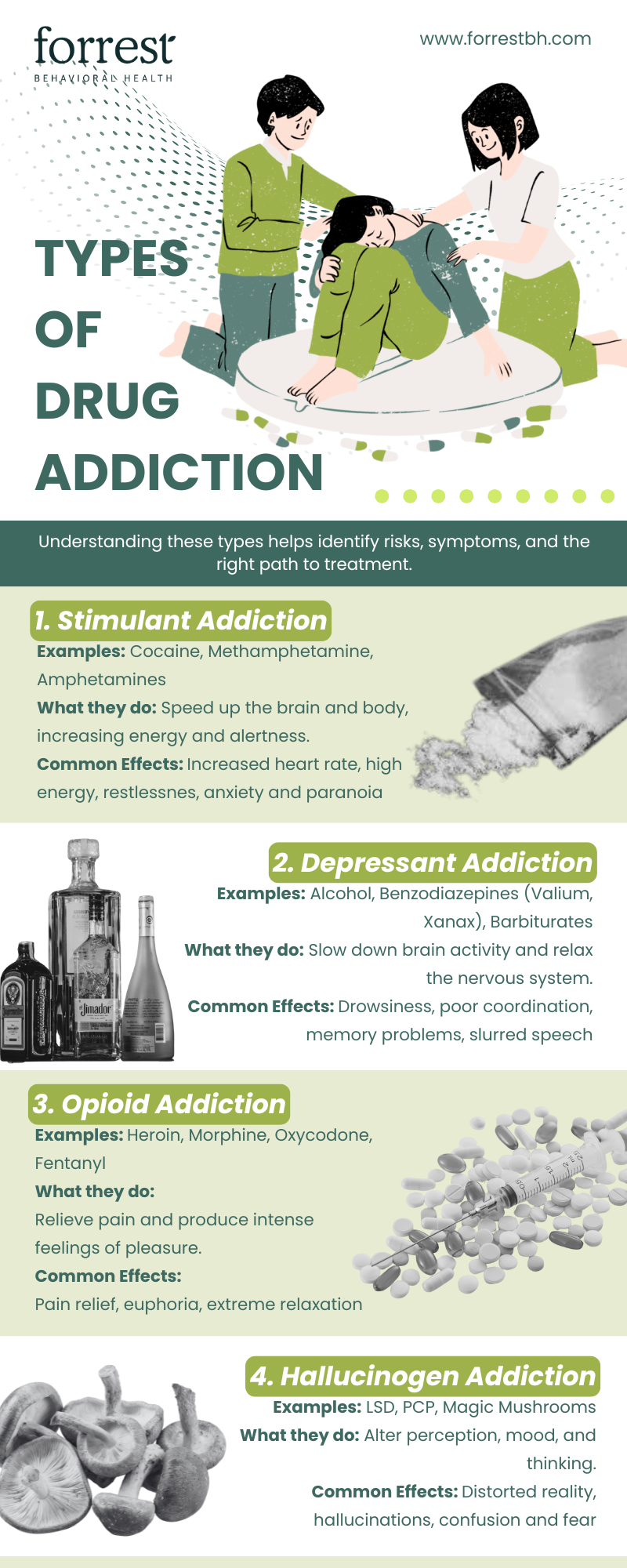
4 Main Types of Drug Addiction forrest behavioral health forrestbh

Trauma-Informed and Dual Diagnosis Support

The CDC report highlights that fentanyl overdose prevention needs comprehensive strategies, and in treatment that often includes addressing mental health needs that drive use. When mental health and addiction are treated together, long-term stability is often easier to maintain.

➡️ Read our latest blog, “Dual Diagnosis Treatment in Massachusetts,” to learn how integrated care supports both mental health and substance use recovery in one coordinated plan.

Overdose Prevention and Harm Reduction While Starting Treatment

Overdose prevention belongs in a treatment article because staying alive is the first step in recovery. Massachusetts describes expanded access to naloxone and fentanyl test strips as part of statewide harm-reduction efforts, which supports safety while people work toward treatment engagement.

This is also practical. Many families want to help but do not know what to do, so a simple safety plan can reduce panic and increase readiness during emergencies.

Naloxone and Safety Planning

  • Keep naloxone available and show loved ones how to use it.
  • Call emergency services during suspected overdose, even if naloxone is given.

Fentanyl Test Strips and Safer-Use Education

Massachusetts reports distributing fentanyl test strip kits at no cost through providers and community organizations, which is one way people reduce overdose risk while moving toward care.

Family Support During Fentanyl Addiction Treatment in Massachusetts

Fentanyl addiction often breaks trust, increases conflict, and leaves families walking on eggshells. That is why family support should focus on clear boundaries, communication, and a shared plan for what to do if risk rises.

Family involvement can also reduce relapse risk by improving the home environment. Education helps loved ones support recovery without accidentally enabling use or hiding warning signs.

What Family Involvement Can Look Like

  • Family education about fentanyl risk and overdose response.
  • Family therapy to rebuild communication and trust.
  • Boundary planning that protects everyone in the home.

Aftercare and Relapse Prevention After Fentanyl Treatment

Recovery is stronger when aftercare is planned early, not after a crisis. That means building a routine, knowing your triggers, and keeping support consistent as treatment intensity decreases.

Relapse prevention is not about fear. It is about preparation, because stress, boredom, pain, conflict, and mental health symptoms can all raise risk without warning.

A Practical Relapse Prevention Plan

  • Identify triggers (people, places, emotions, paydays, conflict).
  • Write “If–Then” steps (If cravings rise, then call support; attend group; increase sessions).
  • Keep accountability check-ins, especially during transitions.

Ongoing Support Options

  • Step-down care: PHP → IOP → OP, based on clinical need.
  • Ongoing therapy, peer support, and recovery routines.

What to Do If a Slip Happens

A slip is a signal to adjust the plan, not a reason to quit. The goal is to respond quickly, increase structure, and reduce risk before a slip turns into an overdose event.

Cost and Insurance for Fentanyl Addiction Treatment in Massachusetts

Cost can vary based on the level of care, the length of treatment, medication needs, and therapy frequency. For many people, the best first step is not guessing costs, but verifying insurance and getting a recommended level of care based on safety and need.

When you call a provider, ask for clarity. A professional program should explain what your schedule may look like, what is included, and what steps happen next.

Questions to Ask When You Call

  • Do you verify insurance and explain deductibles or copays?
  • Do you offer PHP, IOP, and OP, and how do you step people down?
  • How do you coordinate medication support and therapy in one plan?

Start Fentanyl Addiction Treatment in Massachusetts with Forrest Behavioral Health

Starting Outpatient Fentanyl Treatment In Massachusetts or a higher level of care begins with a confidential conversation and a clear assessment. At Forrest Behavioral Health, we use that assessment to recommend the right intensity and build a plan that supports both safety and real life.

From there, we focus on structure, skills, and a step-down pathway. Our programs include day treatment (PHP), IOP, and outpatient options, depending on what you need right now and how you are progressing.

Step 1: Confidential Call And Fit Check

Prepare a simple snapshot: what you used, how often, last use, overdose history, withdrawal history, and any mental health symptoms. This helps us identify safety needs early and plan next steps.

Step 2: Clinical Assessment And Level-Of-Care Recommendation

We look at withdrawal risk, medical needs, mental health concerns, and your home environment. Then we recommend the level of care that fits your current risk and goals.

Step 3: Start Care And Build A Step-Down Plan Early

Treatment starts with structure and stabilization, then builds toward skills you can use outside sessions. We also plan step-down support early, so you do not lose momentum when life gets busy.

Case Study: A Massachusetts Field Report On Fentanyl Overdose Risk 

In a CDC-supported investigation of opioid overdose deaths in three Massachusetts counties, about two-thirds of reviewed opioid overdose deaths tested positive for fentanyl. 

The report described how fentanyl overdose could begin suddenly and progress rapidly, and it noted that many decedents were separated from bystanders, often in another room, which delayed help. 

Interviews with people who used opioids also showed that multiple doses of naloxone were commonly needed before a person responded. 

This real-world pattern supports a treatment message we repeat often: safety planning and faster access to evidence-based care can save lives.

FAQs

What Is Fentanyl Addiction Treatment In Massachusetts? 

It is a structured plan that may include detox, medication support, therapy, and step-down levels of care like PHP, IOP, and OP.

Do I Need Detox Before Fentanyl Rehab In Massachusetts? 

Some people do, especially when withdrawal risk is high, and a clinician can help you choose the safest start.

What Is The Best Medication For Fentanyl Addiction? 

Options include methadone, buprenorphine, or naltrexone, and the best fit depends on your history and clinical needs.

Can I Do Outpatient Fentanyl Treatment In Massachusetts While Working? 

Many people can, especially in IOP or OP, if the home environment is stable and attendance is consistent.

How Long Does Fentanyl Withdrawal Last? 

It varies, and your team should guide expectations based on your use pattern and health, without making fixed promises.

What If I Relapse During Treatment? 

It means the plan needs adjustment, often more structure and faster support, because the fentanyl overdose risk can be rapid.

Can Treatment Help If I Have Anxiety Or Depression Too? 

Yes, and treating mental health and addiction together often strengthens recovery stability.

Forrest Behavioral Health

Are you ready to overcome your addiction or learn more about our treatment programs? We are here for you.

Related Articles

addiction treatment Bedford MA Rehab Near Bedford, MA Addiction Treatment in Bedford, MA: What Happens After You Leave?
Addiction Recovery
Forrest BH

Rehab Near Bedford, MA

What happens in the brain after addiction treatment that keeps pulling people back? The science behind relapse may change how you see recovery.

Read More »
drug rehab Boston, mental health Boston MA Rehab Near Boston, MA A Private Escape: Rehab Near Boston, MA
Drug Addiction Rehab
Forrest BH

Rehab Near Boston, MA

High-performing on the outside, struggling underneath? See how rehab near Boston, MA is designed for professionals like you.

Read More »
leaf

Need treatment?

Get a call to start your recovery journey.

"*" indicates required fields

Other Posts

Verify Approval for www.forrestbh.com

Are you ready to overcome addiction? We encourage you to request a phone call from a recovery specialist.

"*" indicates required fields