

How to Choose the Right Mental Health Treatment Program Near You
Navigating a mental health crisis is a daunting challenge. In Massachusetts, we are surrounded by a massive concentration of global medical expertise, yet having endless options often creates a paralyzing sense of confusion. When over 1.1 million adults in the Commonwealth seek professional intervention for a mental health condition, they are frequently met with a wall of clinical jargon and overlapping levels of care.
Forrest Behavioral Health provides clarity and authoritative guidance. As a premier, clinician-founded sanctuary in Bedford, we want to empower you with the knowledge required to cut through the noise of the healthcare system. Here is your definitive guide on how to evaluate and choose the right mental health treatment program to ensure true, lasting recovery.
Assessing Your True Clinical Needs
The first step in finding the right clinical partner is understanding exactly what kind of intervention is actually required.
When a high-functioning individual experiences a mental health crisis, the immediate instinct is often to look for the quickest and easiest escape from their daily reality.
However, sustainable recovery requires a deeply analytical approach.
Beyond “Getting Away”
You must carefully guide your search to look for programs that offer rigorous, evidence-based psychological healing. It is incredibly common for families to mistake a temporary wellness retreat for a structured clinical treatment center.
Facilities that merely offer a vacation or a temporary break from workplace stress might provide a few days of relaxation, but they do not possess the architecture to restructure the brain and heal the nervous system.
True clinical recovery requires active participation in neurological recalibration. You need a program that identifies the rigid cognitive distortions driving your panic attacks or your depressive episodes.
When evaluating a facility, look for a highly credentialed clinical team led by licensed medical directors. You are seeking a comprehensive medical and psychological overhaul, not just a brief respite.
The Importance of Dual Diagnosis
Mental health crises rarely exist in a vacuum. For professionals navigating immense corporate or academic pressures across Greater Boston, severe anxiety and depression are frequently accompanied by silent substance use. You must strictly seek out facilities that excel in integrated Dual Diagnosis care.
Treating a mental health crisis without addressing an underlying reliance on alcohol, or treating a chemical dependency while completely ignoring severe clinical burnout, is a guaranteed recipe for a rapid relapse.
A premium facility will never force you to choose which condition to treat first. They will have the highly specialized clinical infrastructure required to treat both the mental health disorder and the co-occurring substance use simultaneously. This integrated approach ensures that your entire neurochemical system is stabilized at the exact same time.
Evaluating the Clinical Depth
Not all therapy is created equal. The standard of care you accept will directly dictate the quality and longevity of your recovery. You must rigorously evaluate the specific tools a facility uses to facilitate healing before you commit to their program.
Questioning the Therapeutic Approach
You should approach the admissions process the same way you would evaluate a critical partnership in your professional life. You must empower yourself to ask direct, clinical questions to the admissions team.
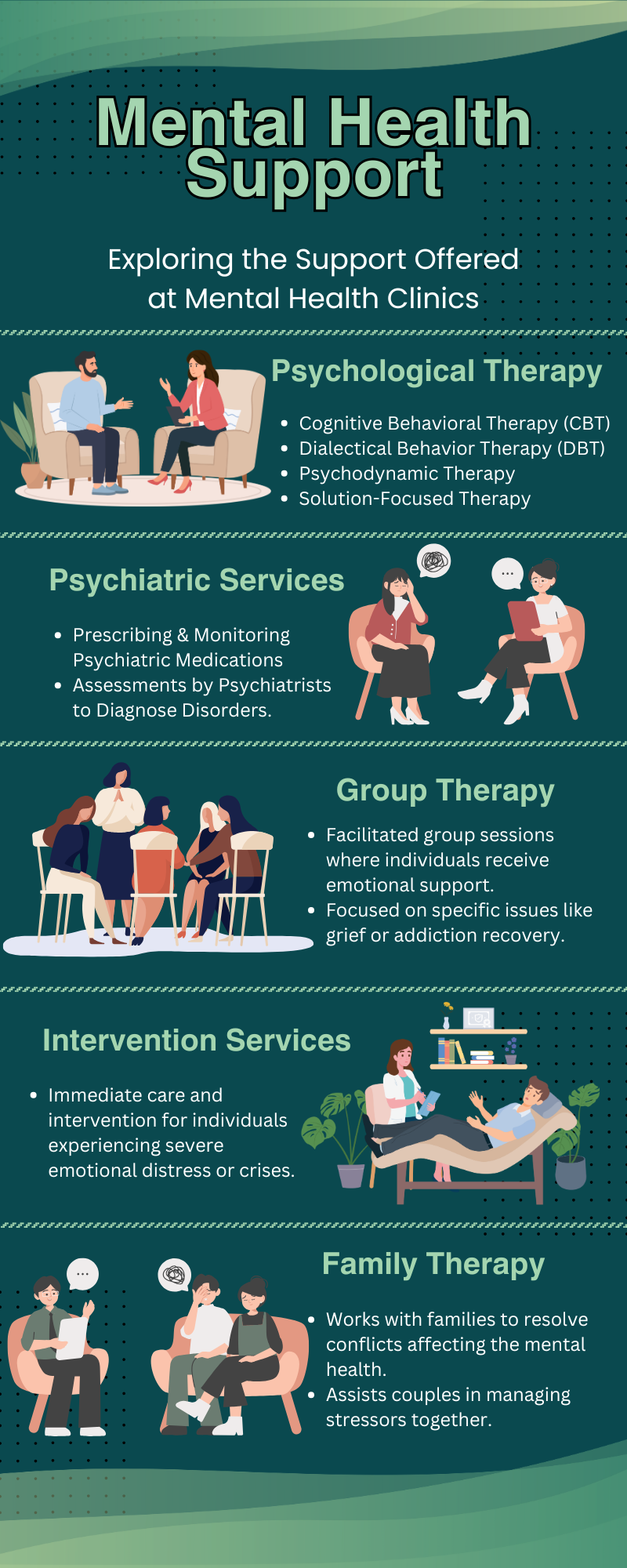
Ask them specifically: Do you rely entirely on unstructured talk therapy, or do you offer advanced, targeted therapeutic modalities? General counseling is certainly helpful for minor life transitions, but it is entirely insufficient for treating high-acuity trauma or complex, treatment-resistant mood disorders.
Psychiatric Oversight
Mental health is fundamentally a biological event. You cannot simply talk your way out of a severe neurochemical imbalance. You must emphasize the absolute necessity of having highly involved psychiatric providers on staff. Ask the facility how often you will actually see a prescriber.
An elite program will feature dedicated medical professionals who expertly manage medications for complex anxiety, major depression, or adult ADHD directly alongside your behavioral therapy. This requires absolute precision.
Your brain chemistry needs to be carefully monitored and adjusted to ensure you have a stable, solid baseline to stand on while you engage in the difficult emotional work of trauma processing.
A facility that outsources its psychiatric care or only offers brief monthly check-ins is simply not equipped to handle a serious, acute mental health crisis effectively.
The Impact of the Healing Environment
The physical space where you receive treatment is not just a matter of luxury or aesthetics. It is a fundamental clinical requirement for effective psychological healing and nervous system regulation.
Hospital Wards vs. Clinical Sanctuaries
Your environment directly impacts your body’s threat response. If you are placed in a setting that feels chaotic or institutional, you will remain in a constant state of high alert. You must carefully contrast the loud, chaotic nature of massive medical conglomerates with calm, dignified, and highly private settings.
When you enter a sterile hospital ward with fluorescent lighting and constant foot traffic, your brain registers the environment as unsafe. Your defenses remain elevated, making the vulnerability required for therapy nearly impossible.
A premium facility, like our Bedford location, is intentionally designed to signal safety to your nervous system the exact moment you walk through the doors. The environment must be highly professional, deeply respectful, and meticulously private to allow individuals to drop their armor and focus entirely on their recovery without the fear of judgment or exposure.
Flexibility and the Continuum of Care
Healing does not end the moment the acute crisis passes. You must highly prioritize finding a program that offers seamless step-down options. A facility that simply discharges you after a brief stabilization period with no structured follow-up plan is setting you up for failure. The transition back to real life is the most vulnerable point in the entire recovery process.
You need a program that provides a comprehensive continuum of care. This starts with a Partial Hospitalization Program (PHP) for intense daily stabilization that functions like a full-time job focused entirely on your health. From there, you step down into Intensive Outpatient Program (IOP) tracks. These structured tracks allow clients to slowly reintegrate into their daily lives in Massachusetts while maintaining a vital clinical safety net.
Secure Your Partnership
Navigating a mental health crisis is terrifying, but finding the right partner to guide you through the storm should not be. You deserve a clear, authoritative path forward designed specifically for your unique circumstances and goals.
You do not have to make this crucial decision alone. Let our clinical team provide an authoritative assessment of your specific needs. We will listen to your story, evaluate your clinical requirements, and build a highly customized strategy to restore your foundation and protect your future.
Visit forrestbh.com or call (781) 570-5781 to take the next step. Expert guidance and lasting stabilization are waiting for you in Bedford.