

How It Differs From IOP
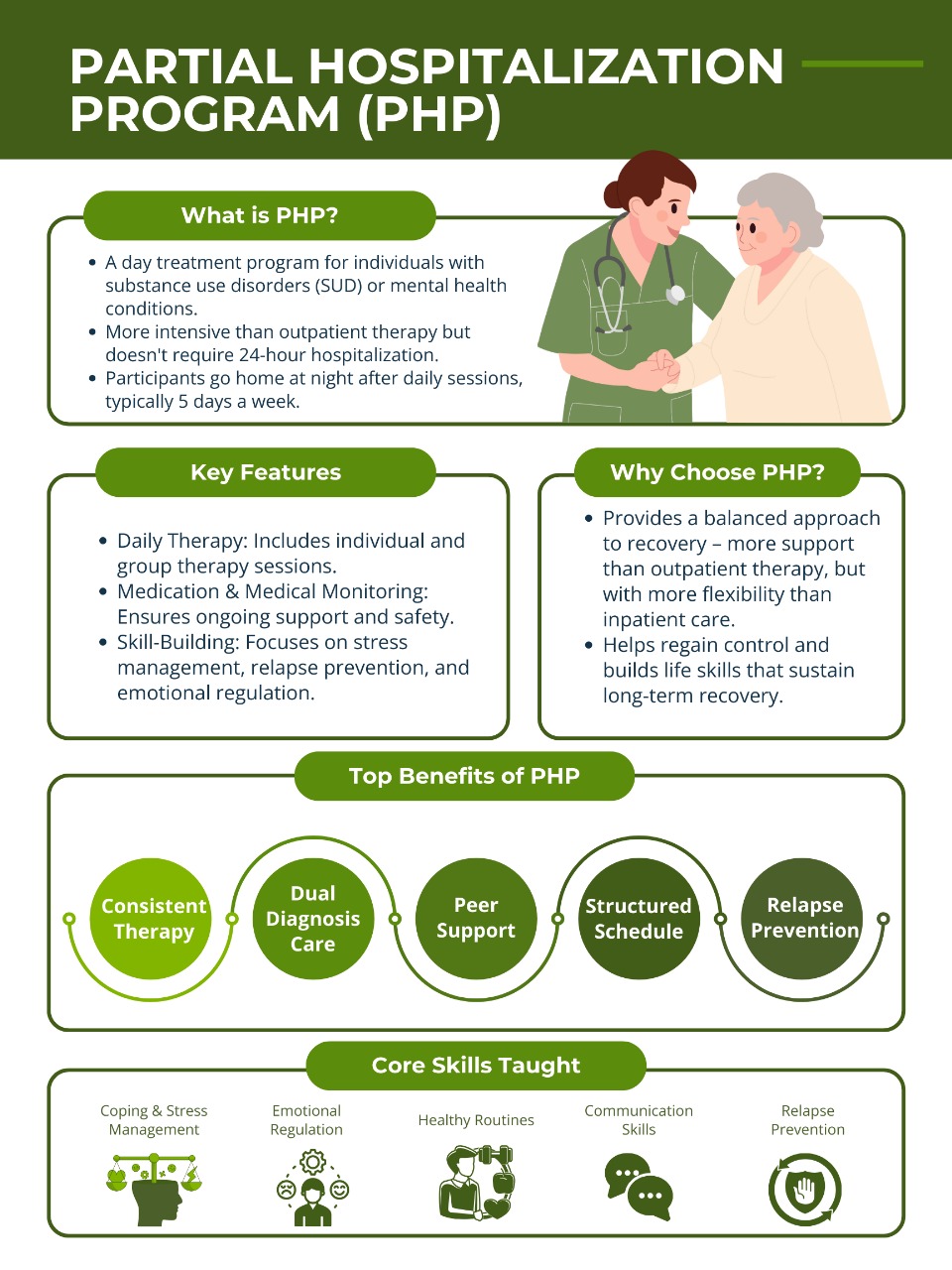
PHP is more intensive than Intensive Outpatient Program care. While IOP usually offers fewer hours per week, PHP gives clients more structure, more contact with clinicians, and more frequent check-ins. That can matter a great deal when symptoms are still active or when a person needs closer support.
In simple terms, day treatment MA is for people who need more hands-on help. IOP is often the next step down once things are steadier. Both are valuable, but they serve different stages of recovery. At Forrest Behavioral Health, the goal is to match the level of care to the person, not force the person to fit the program.
Why Choose Day Treatment MA At Forrest Behavioral Health?
At Forrest Behavioral Health, our day treatment MA program is built for people who need real support without giving up all independence. It is structured, compassionate, and grounded in evidence-based care. That combination gives clients a place to focus on recovery while still living in the community.
The biggest advantage is balance. People receive a high level of care during the day and then return to their own environment at night. For many, that is the missing piece. It allows them to stay connected to daily life while getting the kind of support that keeps recovery on track.
Dual Diagnosis Support
Many people entering a partial hospitalization program MA are not dealing with addiction alone. They may also struggle with anxiety, depression, PTSD, bipolar disorder, or other mental health concerns. When both issues are present, treatment has to address both. Otherwise, the same patterns often return.
That is why Forrest Behavioral Health uses a dual diagnosis approach. We treat the whole person, not just the symptoms that are easiest to see. This kind of care can help clients understand what is driving their struggle and give them the tools to move forward with more confidence.
Support From A Multidisciplinary Team
A strong PHP depends on teamwork. At Forrest Behavioral Health, clients work with licensed therapists, addiction specialists, and medical professionals who coordinate care closely. That means treatment is not scattered or confusing. It is planned, aligned, and built around the person’s needs.
This matters because recovery is rarely just one problem. It can touch emotions, behavior, sleep, relationships, and physical health all at once. When a team looks at the full picture, the client gets more than advice. They get direction.
Real-Life Integration
One of the best things about day treatment MA is that people can apply what they learn right away. If a client learns a coping skill in the morning, they can use it that evening at home, at work, or in a family setting. That kind of real-world practice can be powerful.
It is one thing to talk about change. It is another thing to live it. PHP helps bridge that gap. Clients do not just hear about recovery. They start building it into their daily routine, one step at a time.
What Therapies Are Included In PHP Programs Massachusetts?
A partial hospitalization program MA should offer more than just a packed schedule. It should include therapies that are proven to help people build stability and long-term recovery. At Forrest Behavioral Health, our programming combines clinical support with practical tools clients can use in everyday life.
That is important because recovery is not only about stopping unhealthy behavior. It is about learning how to think differently, respond differently, and live differently. Good therapy helps people do exactly that.
Evidence-Based Therapies
We use evidence-based approaches such as CBT, DBT, and trauma-informed care. These therapies help clients challenge harmful thought patterns, manage emotions more skillfully, and process difficult experiences in a healthier way.
CBT can help a person recognize thoughts that fuel poor choices. DBT can help with emotional regulation and distress tolerance. Trauma-informed care helps people feel safe enough to heal. Together, these therapies create a strong base for meaningful progress.
Individual And Group Counseling
Individual counseling gives clients private time to work through personal struggles with a therapist. Group counseling, on the other hand, offers shared learning, support, and accountability. Both matter, and both serve different purposes in PHP programs Massachusetts.
Sometimes a person needs one-on-one guidance to talk honestly about fear or shame. Other times, hearing someone else say, “I have been there too,” can be the moment that breaks down a wall. That is the quiet power of group work. It reminds people they are not alone.
Medication-Assisted Care
For some clients, medication support is part of treatment. This may help stabilize mood, reduce withdrawal discomfort, or make it easier to participate fully in therapy. When used thoughtfully, medication can support the larger recovery process instead of distracting from it.
At Forrest Behavioral Health, medication-assisted care is always strategic and clinically appropriate. It is never about overmedicating or masking problems. It is about helping clients get steady enough to do the deeper work recovery requires.
Holistic Support
Recovery affects the whole person, so a strong PHP should address physical, emotional, and spiritual wellness too. That may include mindfulness, healthy routines, stress reduction, and other supportive practices that help people feel more balanced.
This part of the treatment often gets overlooked, but it should not. When people eat better, rest better, and feel more centered, they often think more clearly and cope more effectively. Small changes can add up fast.
Does Insurance Cover Partial Hospitalization Program MA?
Many people worry that partial hospitalization program MA will be out of reach financially. The good news is that many insurance plans do cover behavioral health treatment, though benefits can vary depending on the policy, network, and medical necessity.
At Forrest Behavioral Health, we encourage clients to verify coverage early. That simple step can reduce stress, clarify out-of-pocket costs, and help families move forward with better information. In recovery, a little clarity can go a long way.
What Insurance Verification Can Tell You
A confidential insurance check can reveal important details such as your deductible, co-pay, co-insurance, prior authorization requirements, and out-of-pocket maximum. These details often decide whether a program feels manageable or overwhelming.
That is why verification should happen before intake whenever possible. It saves time, reduces confusion, and helps clients make informed decisions. No one likes surprises when it comes to healthcare costs, especially during an already stressful time.
Why Coverage Matters For PHP
PHP is an intensive service, so knowing your benefits ahead of time helps you understand what to expect. Some plans may cover a large portion of treatment, while others may require more patient responsibility. The exact answer depends on your policy.
Still, the bigger point is encouraging. If a person truly needs care, insurance may make that care more accessible than they first thought. That is one reason day treatment MA can be such a practical solution for families trying to balance quality and cost.
How Do You Start Day Treatment MA At Forrest Behavioral Health?
Starting treatment can feel intimidating, but the process does not have to be complicated. At Forrest Behavioral Health, we keep the first steps are straightforward so people can focus on getting help instead of worrying about paperwork or pressure.
A good recovery journey often begins with one small action. A phone call. A form. A conversation. That first move may feel simple, but it can change everything.
First Contact
The first step is reaching out to Forrest Behavioral Health at (781) 570-5781 or through our secure online insurance form. Our team can help answer basic questions and guide you toward the right next step.
This first contact is private and supportive. You do not need to have every answer ready before you call. You just need to be willing to start the conversation.
Clinical Assessment
After first contact, a thorough assessment helps our team understand the person’s symptoms, substance use history, mental health needs, and recovery goals. This is where the treatment plan starts to take shape.
The purpose is not to judge. The purpose is to match the person with the right level of care. Good treatment is built on good information, and assessment gives us that foundation.
Insurance Verification And Intake
Once the assessment is complete, we review coverage and walk the client through the intake process. This helps make sure the partial hospitalization program MA is both clinically appropriate and financially clear.
From there, the person begins their first day in treatment with a plan in hand. That structure matters because it reduces uncertainty and gives clients something solid to lean on right away.
PHP vs. IOP In Massachusetts
Choosing between PHP and IOP often comes down to support level, schedule, and current stability. A partial hospitalization program MA is usually the better choice when someone needs more structure, more hours, and more consistent clinical contact.
IOP can still be very helpful, but it is often a step down from PHP. If you are trying to figure out which one fits best, this side-by-side view can help.
Feature | PHP / Day Treatment MA | IOP |
Weekly Hours | About 20+ hours | Fewer hours |
Clinical Intensity | Higher | Moderate |
Medical Supervision | More frequent | Less frequent |
Best For | Higher support needs, step-down care | Flexible ongoing support |
Living Arrangements | At home or sober living | At home |
 If you are looking for a more discreet path to care, read our latest blog, “Private Rehab in Massachusetts,” to learn how Forrest Behavioral Health supports recovery with privacy, comfort, and personalized treatment.
Case Study
One instructive example comes from a study of two acute partial hospitalization programs that treated adults with moderate to severe mood and anxiety symptoms.
The patients stayed for an average of just over five days, yet showed statistically significant drops in depression, anxiety, and feelings of hopelessness, along with improved cognitive functioning at discharge compared with a waiting‑list group.
This suggests that even a brief, structured day treatment MA‑style program can stabilize people enough to safely step back into daily life.
That kind of result is especially meaningful for partial hospitalization program MA because it proves PHP can bridge the gap between crisis and stability. Instead of forcing someone into inpatient care just to calm symptoms, PHP can provide the right intensity for a few days or weeks, then ease the client into lower‑level support once they are steadier.
FAQs
Do I have to live at the facility?
No. A partial hospitalization program MA is a day-based program. Clients attend treatment during the day and return home or to sober living at night.
Can I move from PHP to IOP?
Yes. Many clients step down from PHP to IOP once they become more stable and need less intensive support. That transition is often a normal part of recovery.
Is lunch provided during the day?
Program details can vary, so it is best to ask directly when you call. The important thing is that the treatment schedule is built to support the day-to-day needs of clients.
How long does PHP usually last?
The length of stay depends on progress, symptoms, and clinical need. Some people need PHP for a shorter period, while others benefit from a longer stay before moving to a lower level of care.
Reclaim Control With Forrest Behavioral Health
A partial hospitalization program MA can be the right next step for someone who needs strong support but still wants to stay connected to everyday life. It offers structure, therapy, and a clear path forward without requiring an overnight stay.
At Forrest Behavioral Health, we believe recovery is built on resilience, connection, and the right level of care.
If you are ready to begin, call (781) 570-5781 or use our secure tool to verify your insurance for day treatment MA today.