

Addiction Treatment in Bedford, MA: What Happens After You Leave?
The historic town of Bedford holds just a population of ~14,000, but when it comes to substance abuse, the situation is no different than how it is in Massachusetts on the whole. Over 2.3 million individuals struggle with substance use disorder and continue resisting treatment.
The problem is not only the lack of sufficient treatment options available, but also the high relapse prevention rate. Individuals who do take rehab treatment have up to 60% chance of relapsing. In such cases, rehab after addiction treatment Bedford, MA, is absolutely crucial.
Today, let’s discuss how rehab after addiction treatment in Bedford, MA, works and what you can do to stay sober long-term:
Why Is the Relapse Rate After Addiction Treatment Bedford, MA So High?
Relapse after addiction treatment in Bedford, MA, is not a sign of failure. It only reflects how complex substance use disorder really is. The problem is that while addiction treatment focuses on detoxification, stabilization, and caters to immediate recovery needs, it fails to help individuals transition directly from structured care to real-world independence.
Environmental triggers can trigger cravings and push them towards relapse, which results in repeated substance use. But that’s not all:
Rewired Brain Reward System:
A recent research by the National Institute on Drug Abuse showed how, over time, substance use rewires the entire brain reward system and replaces natural rewards with substance-driven pleasure.
As a result, long-lasting changes occur in the prefrontal cortex of individuals who are exposed to substances with high dependency potential. While this problem stays managed during addiction treatment in Bedford, MA, it can resurface again when individuals return to their old routines.
The intense cravings can last for months and even years, especially when an individual is under stress. Therefore, chronic relapse and dependency cycles are more likely to occur due to the persistence of neurological changes. What this means is that addiction alters brain function, and even after detox, these changes don’t disappear. So the individual is bound to struggle with relapse.
Lack of Continued Care After Rehab:
Sadly, 1 in 5 individuals actually receive the detox treatment they require, and even fewer stay to complete their long-term recovery programs.
Studies have shown that 90+ days of continuous care with rehab after addiction treatment Bedford, MA, can significantly boost long-term recovery outcomes. Yet, a major gap exists between treatment completion and aftercare support, which results in the risk of relapse.
Social Pressure and Environmental Triggers:
One of the biggest factors that causes relapse triggers is stress. In over 50% of the cases, exposure to old routines, places, and even people, can undo the entire recovery progress and cause individuals to fall into relapse despite having completed their addiction treatment in Bedford, MA.
The lack of a supportive social network is also a huge problem here because negative influences cause individuals to return to substance use, which is detrimental to the maintenance of sobriety.
Co-Occurring Mental Health Challenges:
More than 40% of the individuals struggling with a substance use disorder have an underlying mental health condition such as PTSD, postpartum depression, anxiety, or bipolar disorder.
What happens is that one condition keeps fueling the other disorder, and when an addiction treatment in Bedford, MA, only addresses one aspect of the problem, the impact is only short-term because mental health challenges reignites the need for substance use.
If these conditions aren’t treated simultaneously through an integrated approach, the cycle of relapse continues. This disconnect also renders rehab partially useless, as the root causes are left untreated for the long-term success of recovery.
Rehab After Addiction Treatment in Massachusetts: The Missing Link to Lasting Recovery
While relapse reflects the complexity of substance use addiction, especially in case of opioid use disorder and alcohol dependence, rehab after addiction treatments emerges as the ultimate solution.
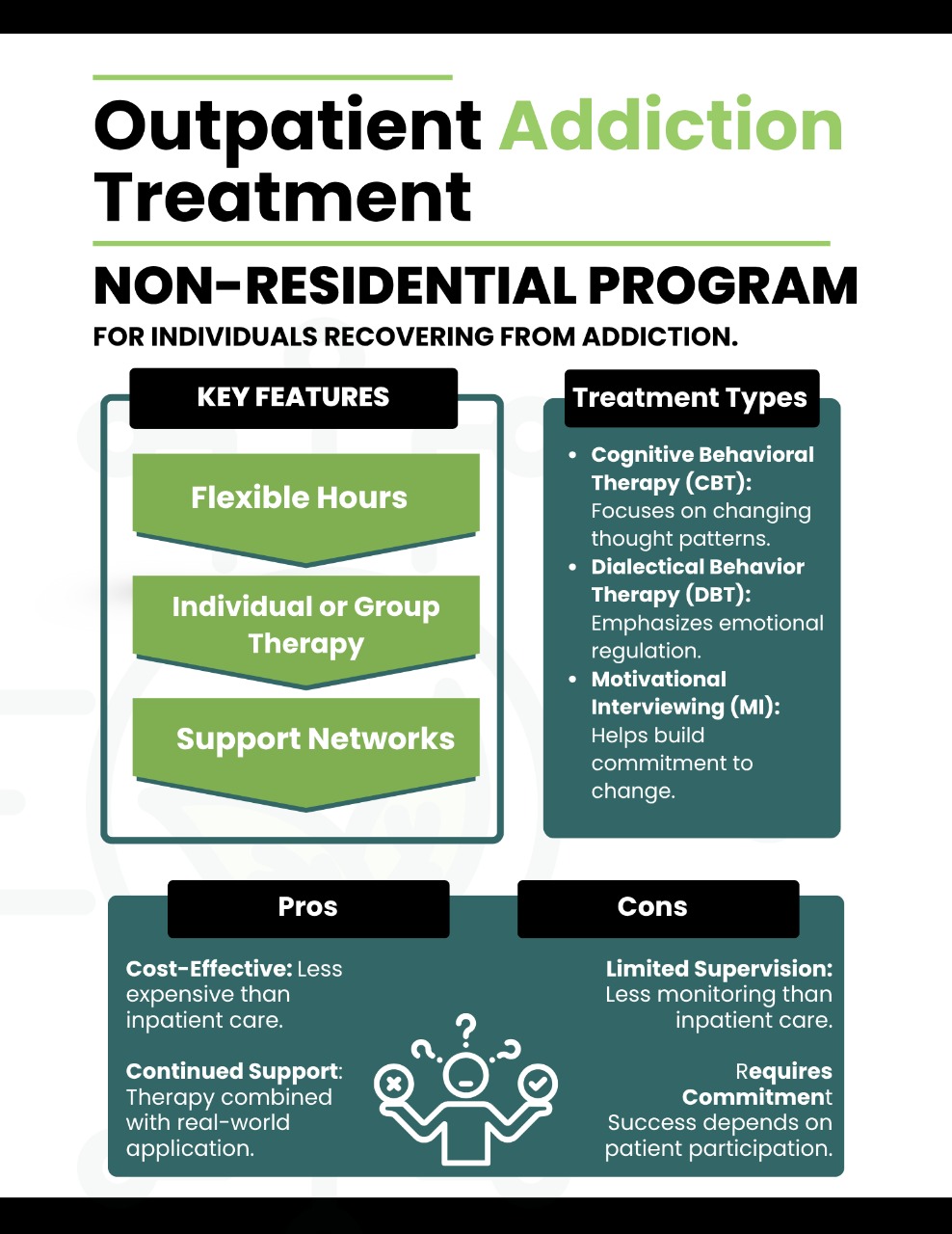
Rehab after addiction treatment Bedford, MA, is no different in this regard. Top-tier facilities offering addiction treatment, structure it as a continuum of care that is designed with clinical structure and personalized support to ensure long-term recovery, which is essential for sustained sobriety.
ForrestBH stands out in this regard because our rehab after addiction treatment in Bedford, MA, is not an add-on service but rather a module baked into the original comprehensive treatment plan for every individual. We have built our programs around sustainability and long-term recovery outcomes that provide continuous support for individuals in order to maintain sobriety.
Here’s what you can expect from our addiction treatment in Bedford, MA:
Continuity of Care:
One of the biggest advantages of continued rehab after addiction treatment Bedford, MA is long-term engagement of individuals.
A 90-day treatment duration is proven to have higher success rates with better recovery outcomes.
This is especially helpful for individuals with long-term addiction histories and co-occurring disorders.
Structured Transition with Clinical Support:
At ForrestBH, we understand the need for a structured transition after primary treatment, and therefore, we help our clients gradually reintegrate into daily life.
Instead of abruptly discharging individuals and just letting go of support systems, we take it step by step and offer therapy sessions alongside to help clients transition from a controlled setting to real-world independence. This kind of step-down approach allows stability and prevents early relapse.
Dual Diagnosis Care:
Our team offering addiction treatment in Bedford, MA is trained to adopt an integrated dual-diagnosis approach that handles mental health challenges alongside the addiction itself.
With a combination of medication management and evidence-based behavioral therapies, we offer our clients a comprehensive treatment plan that reduces the risk of mental health triggers leading individuals to return to substance use instead of relying on substance use for coping.
Final Words
At the end of the day, many individuals fail to understand that relapse is not the problem. It is, in fact, a signal that long-term recovery needs to go beyond the initial regimen of addiction treatment.
At ForrestBH, we understand this reality, which is why our addiction treatment Bedford, MA, doesn’t stop at just detoxification. We take it a step further and work with clients to offer continued care and structured support, which is essential for the maintenance of sobriety.
Visit forrestbh.com or call (781) 570-5781 to speak directly with our admissions team. Elevate your standard of care, protect your legacy, and claim your future today.