

Mental Health Support in Lexington MA: How CBT and DBT Are Changing Long-Term Recovery
It doesn’t hit all at once. It starts quietly. One morning you wake up and everything just feels heavier. The air seems thick. Your thoughts won’t stop. Some days just feel impossible. Like climbing a mountain that never ends. If that feels familiar, then you’re not alone. A lot of people feel the same in Lexington, MA. They want mental health support that actually sticks. Something that doesn’t disappear after a week.
At Forrest Behavioral Health, that kind of help is real. Therapy here isn’t about sitting in a cold office while someone throws advice at you. It’s about learning how to actually change your patterns and find your footing again. The therapists use tools that work, e.g., CBT and DBT, which are evidence-based approaches that teach you how to understand what’s going on in your head and handle it better. People here start to see what recovery can actually look like, not just imagine it.
If you’ve been waiting for a sign to do something about it, then maybe this is it. Healing starts the moment you reach out. Forrest Behavioral Health is ready when you are.
Understanding CBT and DBT in Mental Health Support
CBT is a therapeutic technique that is all about catching your thoughts before they get away from you.
You start to notice the small things. The ones that quietly shape how you feel.
You realize your mind doesn’t just react. It leads. Every thought, every feeling, every action. Once you see that, things begin to shift.
Slowly. But they do.
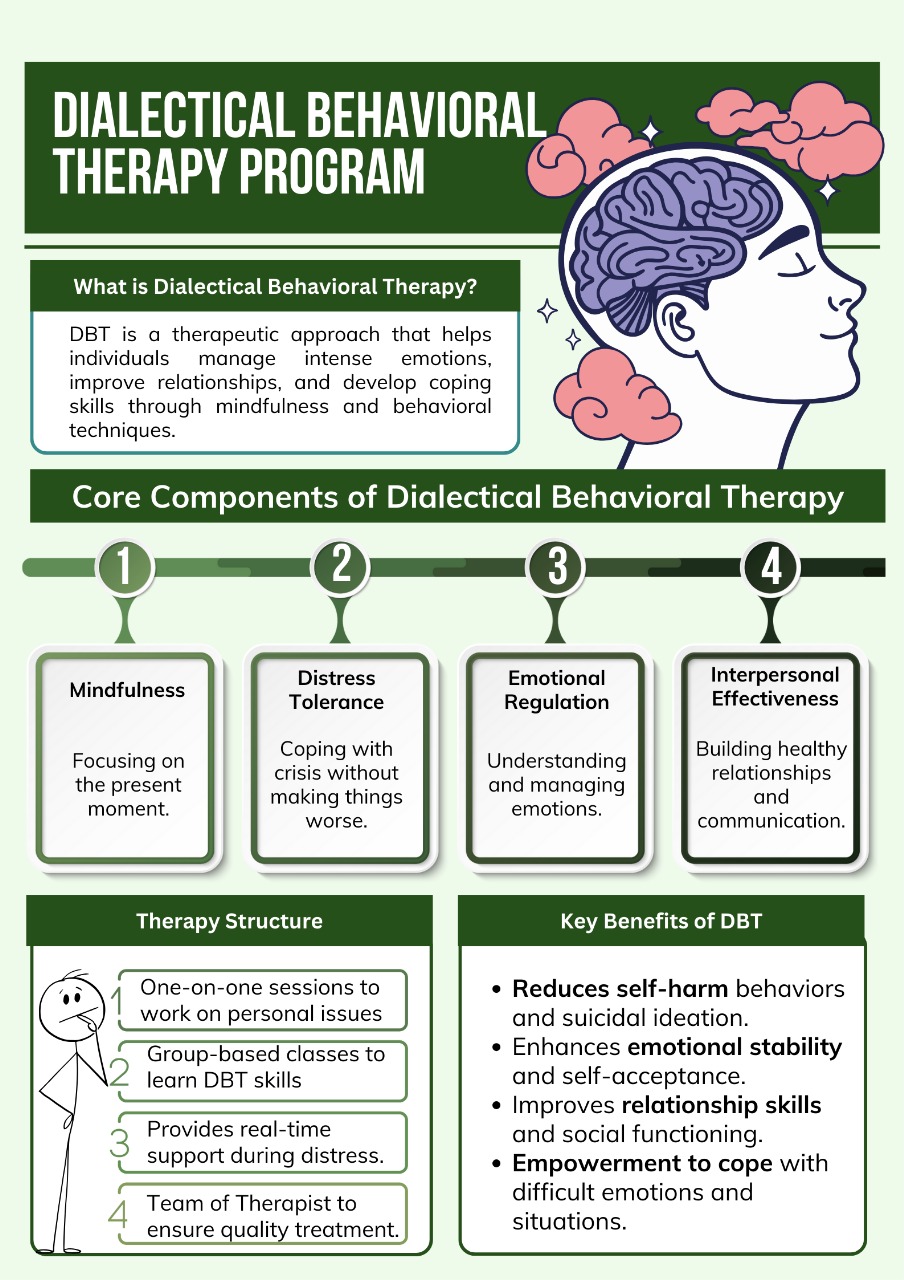
DBT came after. It took the same base and gave it more depth. More heart.
It’s about emotions that hit hard and fast. About staying steady when you want to fall apart.
You learn to breathe through the storm. To pause before you speak. To stay in the moment even when it hurts.
It also teaches how to connect with people without losing yourself in them.
Both CBT and DBT are used widely now for mental health support.
For anxiety, depression, PTSD, addiction, borderline personality disorder, and even OCD. They help people who’ve been through too much.

Here, these aren’t just therapy techniques. They’re lifelines. Ways to build yourself back from the inside. To see clearly again. To live with a little more calm. A little more care for yourself. Following are the ways through which CBT and DBT are changing long-term recovery.
Turns Thought Traps into Stepping Stones
So many of us live with voices in our heads that tell us we are not enough. CBT helps quiet those voices. It gives you the tools to challenge thoughts that keep you stuck. You start to recognize patterns like “I always fail” or “nothing ever changes” and learn to replace them with something stronger and truer.
When you begin this process, you slowly reclaim your mind. Step by step, thought by thought. With us, that shift is not just about positive thinking. It is about learning how to live differently and how to rebuild your confidence from the inside out. That is what true mental health support looks like.
Helps You Manage Overwhelming Emotions
Sometimes emotions hit before you even know they’re coming. Like waves that rise fast and crash hard. DBT helps you stay afloat. It shows you how to ride the wave instead of fighting it. You learn to stop for a moment. To breathe. To stay here, even when it feels impossible.
For people in recovery, that skill can change everything. You stop reacting out of fear. Out of habit. You start responding with awareness. With choice. Our staff walks beside you while you learn this. They make sure it’s not just something you talk about in therapy. It becomes something you can actually do. Mental health support that steadies you when everything else feels shaky.
Rebuilds Relationships and Connection
Healing rarely happens alone. Relationships play a huge role in healing. DBT leans into that. It’s about learning how to rebuild the parts that broke. You start to ask for what you need without fear. You learn to say no without guilt. You begin to speak more honestly. Bit by bit, connection starts to feel safe again.
CBT adds something different. It helps you notice the patterns hiding underneath. The ones that keep repeating. You start to see where things went wrong before. Where pain turned into distance. Where misunderstanding took root. Once you see it, you can start changing it. That’s where healing quietly begins. Together, they help you form deeper, healthier connections. This kind of mental health support creates a community around healing. It reminds you that recovery isn’t only about surviving. It’s about belonging.
Helps You Find Hope Again
There is a point in recovery when the storm quiets. You begin to remember who you are beneath the pain. CBT and DBT help you find your way back to yourself. They remind you that you are not your symptoms. Not a label on a page. You are someone who feels deeply and keeps trying even when it’s hard. Someone who still wants to get better.
Here, that idea is at the core of everything we do. It’s what drives the work. The programs are built to bring light into places that forgot what light felt like. To help people hold onto it. To keep it alive long after they leave. This is mental health support that gives hope a home.
Final Words
Recovery doesn’t move in a straight line. It twists. Turns. Sometimes it circles back. But the beauty of healing is that you don’t have to face it alone. At Forrest Behavioral Health, CBT and DBT aren’t just tools. They help you rebuild.
Anxiety. Depression. Addiction. Trauma. Whatever your challenge may be. The right support can change things. It really can. Ask for help. Take that first step. Recovery isn’t about getting it all right. It’s about moving forward. Step by step. With care, it can last.
Call us at (781) 570-5781 or visit our website. Let your healing begin!