

Signs You Need More Than Weekly Therapy (And What to Do Next)
Therapy may be a life-changing experience, similar to having a secure place to explore your feelings, unravel your thoughts, and discover new coping mechanisms. For many, weekly sessions are a great starting point.
But occasionally, even if you follow that schedule, you may see indications that you need additional help or a different strategy.
It doesn’t mean that treatment isn’t working if you’ve begun to notice that your progress feels slow, your symptoms return quickly after sessions, or you’re just counting down the days until your next respite visit. It simply suggests that you may need additional support right now.
If you’ve been feeling that progress is taking longer, symptoms come back soon after sessions, or you’re just looking forward to your next appointment for relief, it doesn’t necessarily mean therapy isn’t effective. It could simply indicate that you might benefit from a more intensive level of support at this time.
When feelings are strong, trauma seems unresolved, or everyday life becomes difficult to handle on your own, weekly treatment may not be sufficient.
At Forrest BH, we believe that care should adapt to you, not the other way around. Everyone’s mental health journey is unique, and finding the right level of support can make all the difference in achieving meaningful progress.
In this blog, we’ll explore the key signs that weekly therapy may no longer be sufficient and how you can take the next step toward getting the deeper support you deserve.
When Weekly Therapy Isn’t Enough: Signs It May Be Time for More Support
Every mental health journey looks different, and there’s no single path that works for everyone. What matters most is recognising when what you have isn’t quite meeting what you need.
Weekly therapy can be helpful, but sometimes it’s not enough, and recognizing that is progress. The sooner you realize you need more support, the sooner you can move forward.
Weekly therapy may not be enough if your mental health is getting worse instead of better. If anxiety feels harder to manage or depression feels heavier, it may be a sign you need more support, like medication, more frequent sessions, or a more structured care plan.
You Feel Stuck in Your Progress
Showing up every week and feeling trapped might be depressing, particularly if things aren’t getting better or are becoming worse. That does not imply that you have not been successful in therapy.
Small adjustments, such as adopting a different strategy, getting together more frequently, or adding assistance like medicine or group therapy, can occasionally have a significant impact. Finding what works for you today is the key to moving forward, not beginning again.
You Feel Unheard or Unsatisfied
It matters if you feel that your therapist doesn’t really understand you or that what you’re saying isn’t truly landing when you leave sessions. It may simply indicate that a different method is required, but this does not mean that therapy should be completely abandoned.
A different therapist, a different approach, or the addition of holistic mental health support or group therapy might be just what you need to feel noticed and begin to make significant improvement.
You’re Struggling with Crisis-Level Issues
Therapy is a valuable source of ongoing support, but some situations call for immediate or more intensive care. For example, if you’re experiencing suicidal thoughts or self-harm, or if you’ve recently experienced a traumatic event or lost a loved one, your needs may go beyond what weekly therapy can handle.
In those situations, hospitalization, emergency care, or a specialized treatment program may be the right call, not as a last resort, but as a way to make sure your safety comes first and you get the level of care you actually need.
You’re Dealing with Major Stressors or Life Changes
Some of life’s most significant moments, such as going through a divorce, unexpectedly losing a job, or uprooting your life to move somewhere new, carry a heavy emotional weight that can catch you completely off guard.
You might believe you can handle it, only to find that one day it all suddenly hits you. While weekly therapy can provide a strong foundation during these times, when stress becomes overwhelming or starts mounting faster than you can process, once-a-week sessions might not be enough.
Seeking more frequent therapy, accessing additional resources, or reaching out for outside support can help you regain your footing and begin working through what you’re facing.
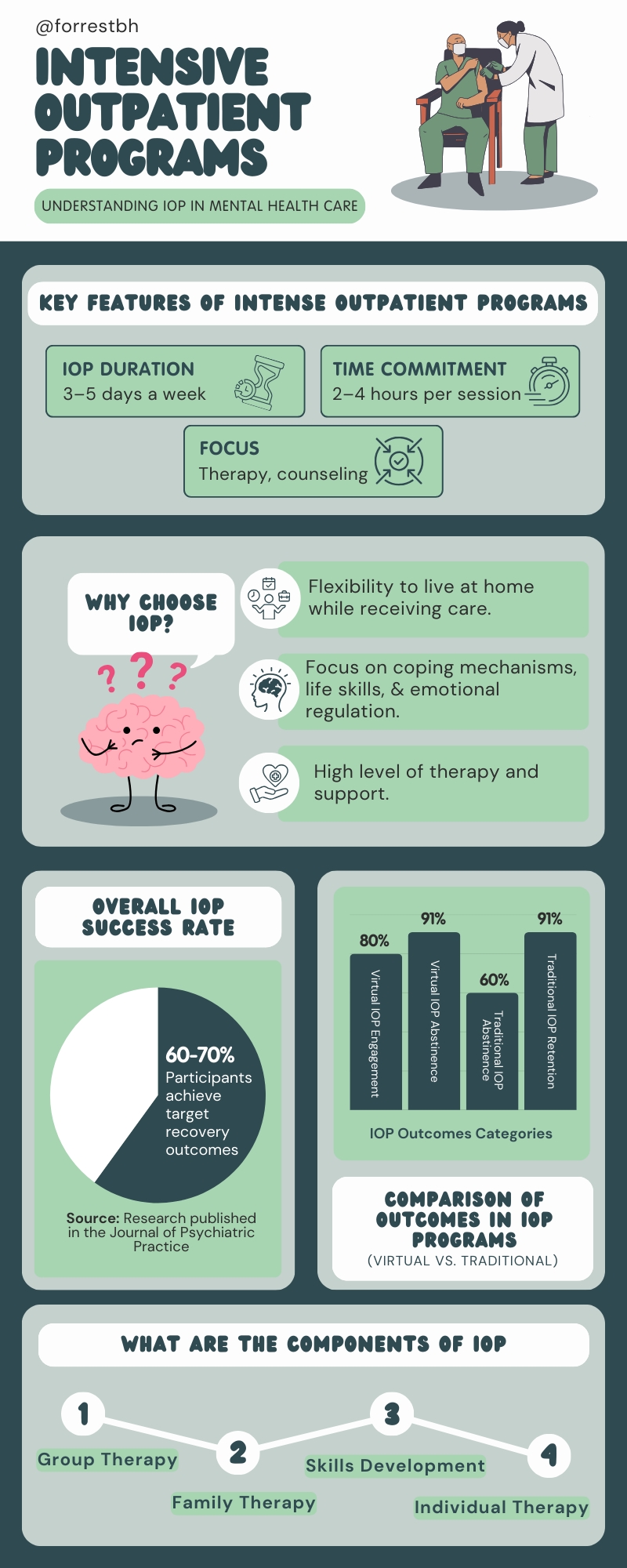
What to Do Between Therapy Sessions When You’re Really Struggling
The time between sessions matters more than people realize, especially when you’re in the middle of figuring out whether you need a different level of support.
Here are some practical weekly therapy coping strategies that therapists often recommend to help you stay grounded and supported in between appointments.
Build a Between-Session Support Structure
Therapy might be just one hour a week, but life keeps moving through all 168. It’s worth putting together a crisis plan with your therapist, a simple, go-to list for when things feel heavy. Having a written plan that includes who to call, your favorite grounding exercises, and helpful apps means you won’t have to figure it all out in the middle of a hard moment.
Lean Into Peer Support and Group Therapy
Although it doesn’t merit it, group therapy frequently has a negative reputation. Being in a room with people who genuinely understand what you’re going through, even if it’s just digitally, has a significant effect.
While your therapist can provide advice, hearing from someone who has experienced similar things can provide a level of comfort that is difficult to obtain otherwise.
The greatest thing is that joining a lot of support groups that deal with trauma, bereavement, or anxiety is either free or extremely inexpensive. When you need it most, it’s a means of finding understanding and connection.
Consider Psychiatric Support Alongside Therapy
If your symptoms are seriously affecting your life and you’re not already seeing a psychiatrist or psychiatric nurse practitioner, it might be time to think about taking medication as part of your treatment.
For conditions like anxiety, depression, or PTSD, combining therapy with medication often leads to better results than trying one alone. Choosing to explore medication isn’t about giving up; it’s about making sure you have every tool available to support your healing.
Final Words
Realizing that weekly therapy isn’t enough anymore isn’t a sign of weakness. It’s a sign that you know yourself and are genuinely committed to getting better. Your care should evolve with you, whether you’re feeling overwhelmed, stuck, or simply need more consistent support along the way.
At Forrest BH, we meet you exactly where you are. Everyone’s journey to feeling better is different, and our approach is tailored to that. You don’t have to navigate this alone; having the right support can make all the difference.
Get in touch with our staff right now if you’re prepared to proceed. Our goal is to assist you in locating the kind of support that best suits your needs.
Read Next: PHP vs IOP for Mental Health: What Level of Care Do You Actually Need?