The Connection Between Anxiety and Alcohol Use: Why Self-Medication Backfires
Think alcohol helps you relax? For many with anxiety, it deepens dependence instead. Learn how the cycle works. And how to reclaim control.
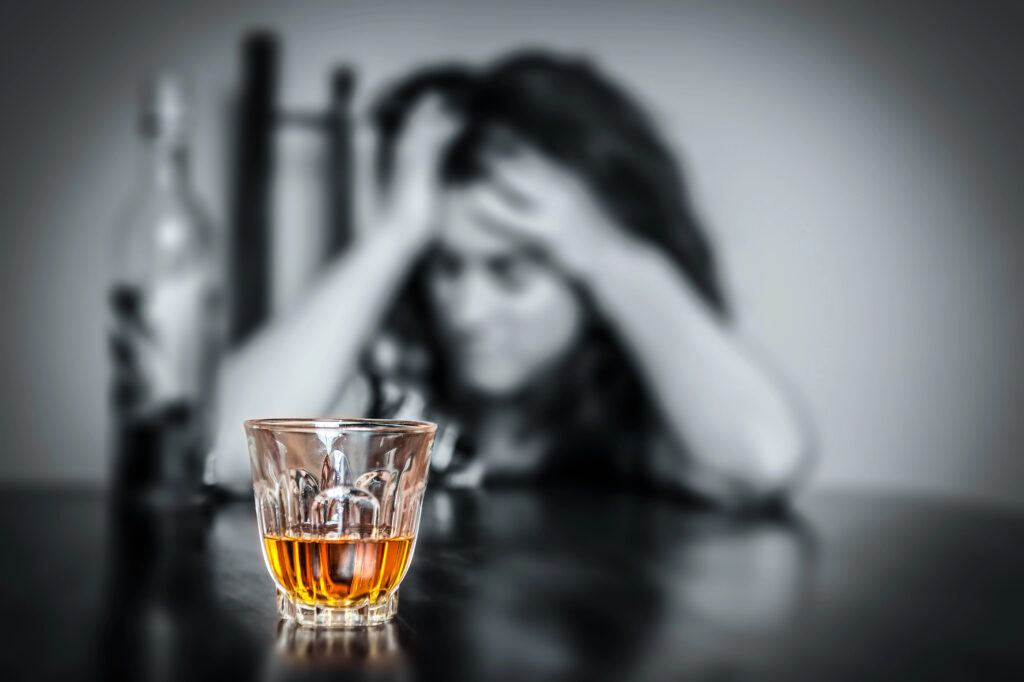
Nearly 1 in 3 adults around the world are likely to experience an anxiety disorder at least once in their lifetime. Do you know how many of these individuals fall prey to alcoholism? About 20-40%! That’s not a fun number, is it?
Well, when one is struggling with intense, persistent worry that starts interfering with their daily life, people try to look for ways to take the edge off, and get some temporary relief – and that is our whole problem.
The combination of anxiety and alcohol use is a sure-shot recipe for disaster. But whom can we blame? Today, let’s understand the connection between anxiety and alcohol use, and see how we can counteract it.
Understanding Anxiety and How Alcohol Interacts with It
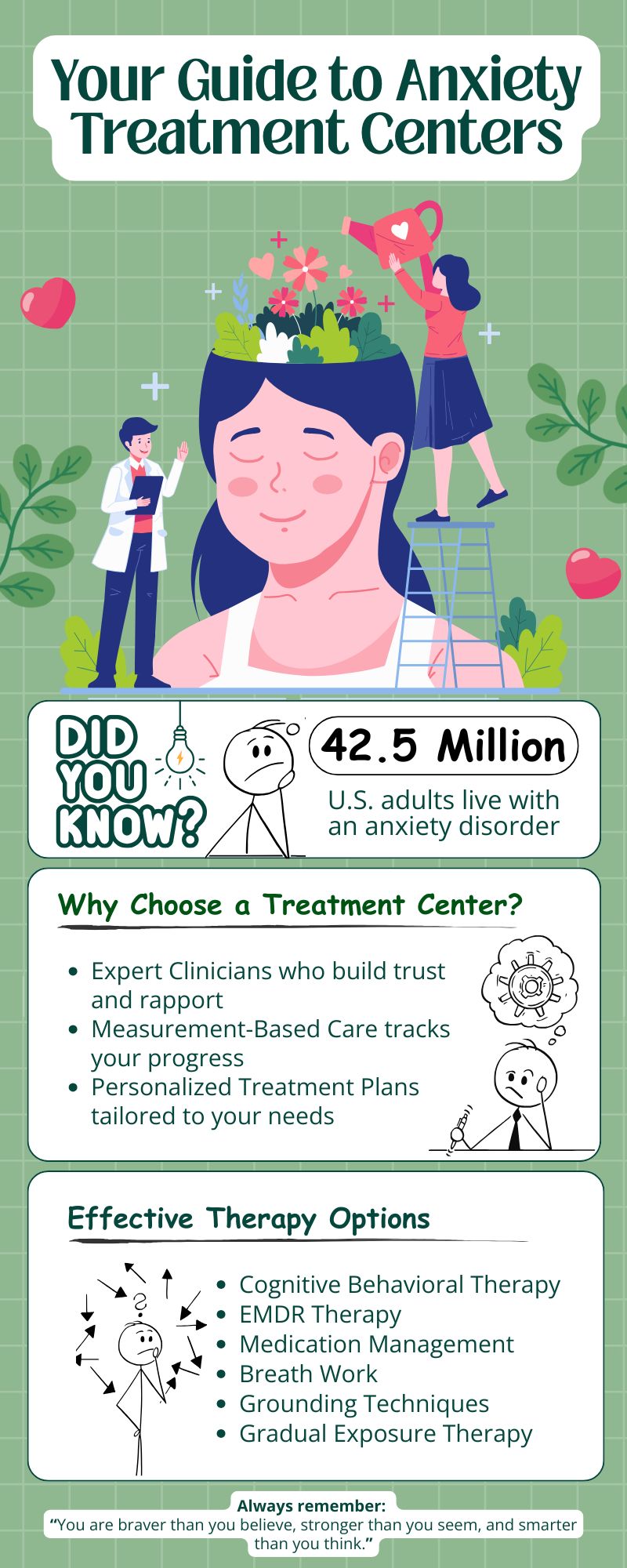
Anxiety disorders affect more than 4% of the global population, which is millions and millions of people simply suffering from intense worry and restlessness. Here’s what’s up:
Self‑Medication:
More than 12.5% of adults in the U.S have reported drinking to self-medicate anxiety. The problem is, this worsens the situation. You see, when a person starts consuming alcohol to alleviate the uncomfortable symptoms of anxiety, it offers temporary relief. But before you know it, the same racing thoughts and tension return.
In such a situation, the person battling with anxiety keeps returning to alcohol for the same relief, and before we know it, temporary relief leads to dependence.
Co‑Occurring Disorders:
About 20-40% of people in the United States suffer from co-occurring disorders – which simply means they meet the criteria for substance use disorder and mental health disorder at the same time.
This co-occurrence isn’t a coincidence, though.
Having anxiety actually increases the risk of developing mild to severe alcohol dependence, which only worsens over time if professional help is not sought timely.
The Vicious Cycle:
The problem is that alcohol offers the best calming feeling initially. But, eventually, it all backfires.
People assume they can stop whenever they want to, but it simply isn’t true.
Drinking alters your brain chemistry, and as your alcohol dependence grows, anxiety can rebound stronger than before.
The worst part is that research confirms people who drink alcohol to manage anxiety are 5.7 times more likely to develop alcohol dependence. This is a vicious cycle of drinking and anxiety which causes stress to increase and alcohol cravings to intensify.
Top 04 Signs You Might Be Struggling with Alcohol Dependence Alongwith Anxiety
Once you fall into the vicious cycle of alcohol dependence due to anxiety, it is hard to tell how bad the situation is. Here are four signs to look out for when drinking causes stress to increase, and you need professional help:
1. Drinking More Than Intended:
In case you find yourself drinking larger amounts more than you want to, or for longer periods longer than you intended, it is a strong sign of alcohol dependence. A repeated pattern of excessive drinking indicates that your body is physically and mentally reliant on alcohol for relief.
2. Inability to Cut Back:
One may assume they can stop at any time, but usually it is not simple. Repeated unsuccessful attempts at giving up is key indicator of alcohol dependence.
At this stage, you may even be recognizing the entire pattern, but it is almost impossible to control your urges without support.
3. Withdrawal Symptoms:
Another key indicator is physical and emotional withdrawal symptoms, such as feeling shaky and nauseated when you try to skip a drink. This is a clear signal that your body has become physically dependent on alcohol consumption to function normally.
4. Neglecting Responsibilities:
Sadly, alcohol dependence also leads to neglecting responsibility despite seeing the consequences and warning signs. If you find yourself in a situation where your work is getting affected, and your relationships are strained, it means your alcohol dependence is severe, and you need immediate help.
So, once you know the cycle needs to break, what can one do? We’ll tell you what: pick up your phone and call (781) 570 – 5781, tell us your situation, and let ForrestBH help you.
But, why should you do that? What’s so great about ForrestBH? We’ll share now:
Breaking the Cycle: Seeking Mental Healthcare with ForrestBH
Once alcohol dependence has set in due to anxiety, it can seem almost impossible to break the cycle alone, and the entire situation can feel overwhelming. The thing is, it is not impossible, and long-term recovery is possible with the right help.
We recommend ForrestBH as the right facility to help you navigate co-occurring anxiety and alcohol dependence because our integrated behavioral health approach tackles anxiety and alcohol use together. Here’s how we understand and break the connection between anxiety and alcohol use to help ease your recovery journey:
Personalized Care Plans:
No two recovery journeys are alike because every individual faces a unique set of triggers and life circumstances that have led to the development of anxiety and alcohol use patterns.
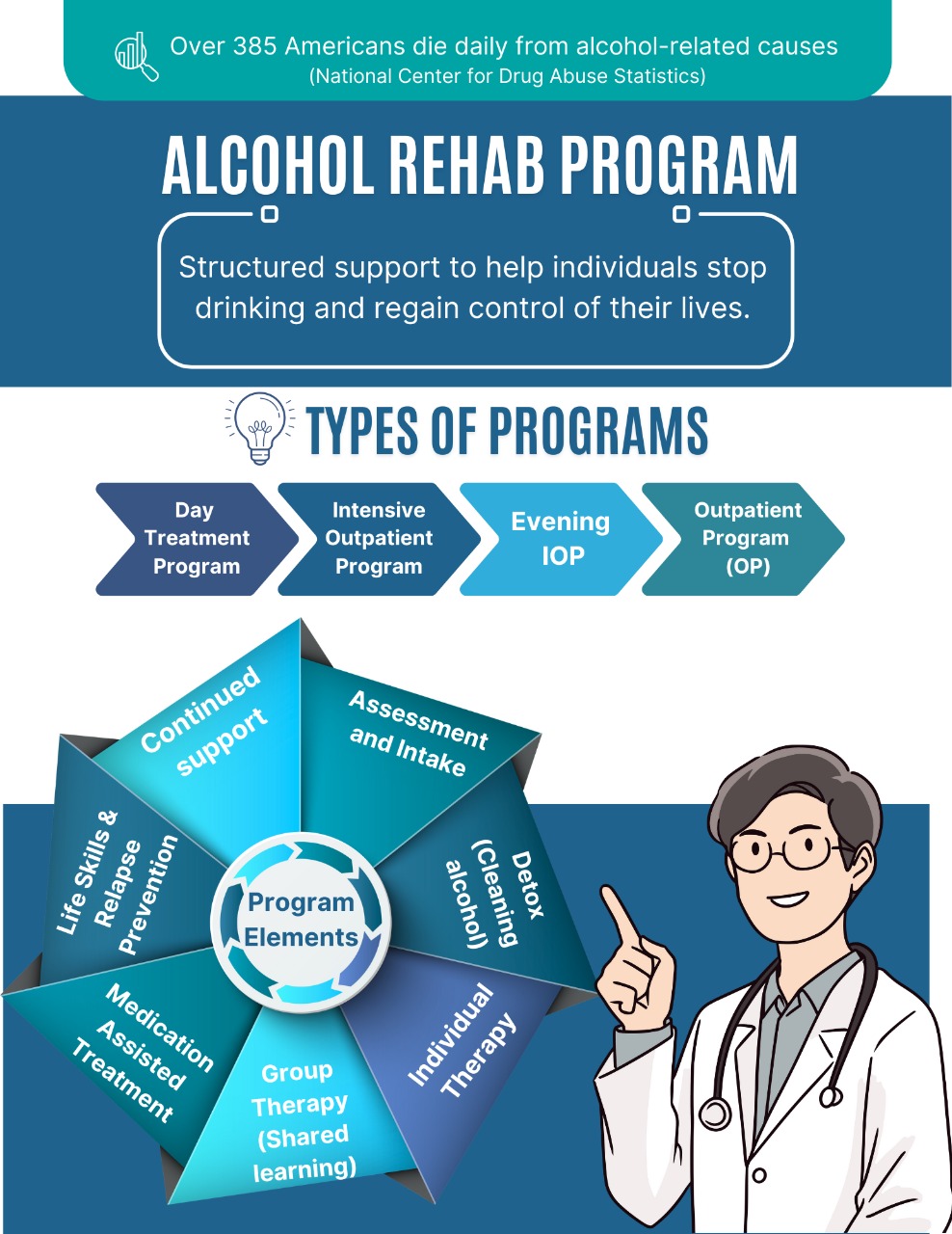
Therefore, we offer customized plans with guidance for managing triggers; a supportive environment to help individuals battling co-occurring disorders through individual therapy and group support sessions.
Evidence-based Therapies:
We use a combination of Cognitive Behavioral Therapy (CBT), EMDR therapy, and Dialectical Behavior Therapy (DBT) to help you effectively identify and change negative thought patterns that contribute to anxiety.
We also use exposure therapy for individuals struggling with phobias and social anxiety to help reduce the emotional and physiological impact of their triggers.
Medication Management:
Our licensed medical staff is authorized to administer Selective Serotonin Reuptake Inhibitors (SSRIs), Serotonin-Norepinephrine Reuptake Inhibitors (SNRIs), and benzodiazepines to offer quick relief for acute symptoms for patients suffering from alcohol and anxiety-related withdrawal symptoms.
The assisted supervision of medication helps make recovery safer and more effective.
Final Words: Take The First Step Towards Recovery
The connection between anxiety and alcohol use is complex; one causes the other to intensify and vice versa, leading the individual to get stuck in a vicious cycle. This cycle can take a serious toll on your mental, physical, and emotional well-being.
While recovery is possible, it requires you to reach out and seek professional help. In this scenario, ForrestBH offers comprehensive behavioral health programs that address both anxiety and alcohol dependence simultaneously.
So, if you are someone struggling with anxiety-driven alcohol use, you need to reach out to (781) 570-5781 and get the support you need to break this cycle and build a healthier lifestyle. Because, remember, you deserve support, healing, and hope.