

Burnout Vs. Depression: How to Tell the Difference and Get Help in Illinois
It’s easy to confuse burnout with depression or take depression lightly because you assume it’s simple burnout. But either way, this misconception negatively affects you and can even delay treatment.
For example, if you underestimate depression symptoms, starting mental health treatment in Illinois might seem too over the top to you. And if that continues, you’ll be the one suffering more with time. That’s why you must be able to tell the difference between these two conditions to get help when the time is right.
This article explains how depression and burnout differ. Keep reading to know what you are facing.
Burnout Vs. Depression
Your mental health shows up in your relationships, work, decision-making, and emotions. Therefore, understanding how different mental health-related problems start and play out is important.
Let’s start by defining burnout and depression.
Burnout
When you have been doing too much for too long, your mind and body run out of fuel. Even if you wish to continue pushing through at the same pace, you cannot because you’re mentally or physically stretched too thin.
Notably, burnout is not recognized as a mental health disorder and is, in fact, listed as an occupational phenomenon by the World Health Organization (WHO). Since it comes from a particular stressful situation, especially at work, removing that source helps you recover from chronic burnout.
People working in high-stress environments and helping professionals, i.e., doctors, nurses, therapists, and teachers, are among those most affected by burnout. But it’s also worth mentioning that someone can even experience burnout from normal life: a stay-at-home mom with lots on her shoulders is also likely to be affected by it.
Here are the main symptoms of burnout that one should not ignore:
- Constant exhaustion
- Dreading every moment
- Snapping for no big reason
- Getting sick more often
- Avoiding responsibilities
- Nothing feels meaningful
Depression
Depression is a clinical condition where your brain’s mood regulation breaks down. As a result, you go through constant sadness, emptiness, and cannot function normally.
Notably, it’s not a reaction to circumstances; it’s an illness impacting millions worldwide. According to the experts, the main causes of depression include abnormalities in neurotransmitters, early stress, and hormonal abnormalities. A depressed person goes through pervasive sadness and emotional emptiness that mostly spreads across all areas of their life.
Even if you’re not experiencing any stress in life and things are going okay, you can still get depressed. Also, Major Depressive Disorder (MDD) is progressive, and it can get worse if you don’t seek timely help.
While burnout can mirror a few symptoms of depression, it is a significantly more serious condition, and here are some of its signs:
- Persistent low mood even without an identifiable trigger
- Anehdonia, i.e., a complete loss of pleasure
- Psychomotor impairment, where even small things feel heavier
- Poor memory and inability to concentrate
- Insomnia or sleeping too much
- Appetite changes (eating too much to numb emotions
- Emotional flatness, i.e., feeling nothing at all
- Feeling shame or hating yourself without a legitimate reason
- Social withdrawal
- Passive or active thoughts of death
What Happens to These Two Conditions if You Take a Break?
It’s a common (and somewhat true) assumption that taking a break from stressful situations and living a calm life can fix your mental health. And while it’s true to some extent, it’s not sufficient for serious health conditions. That said, here is how burnout and depression respond to you taking a break:
Burnout
Since burnout is caused by sustained pressure, removing its source helps you. For instance, if you take a good vacation or time off from work, your body and mind start to recover.
Sure, it doesn’t happen immediately, but staying in a stress-free environment can make things better. Living a slow life will bring your energy back because the pressure that kept your brain foggy is gone. That’s the reason people in high-stakes jobs take yearly retreats and general breaks so they don’t feel depleted.
Depression
If you try to help your mental health with a break, but your actual problem is depression, a break won’t help. It doesn’t care how good your environment is, and even if you take time off to rest and eat well, you won’t experience much difference.
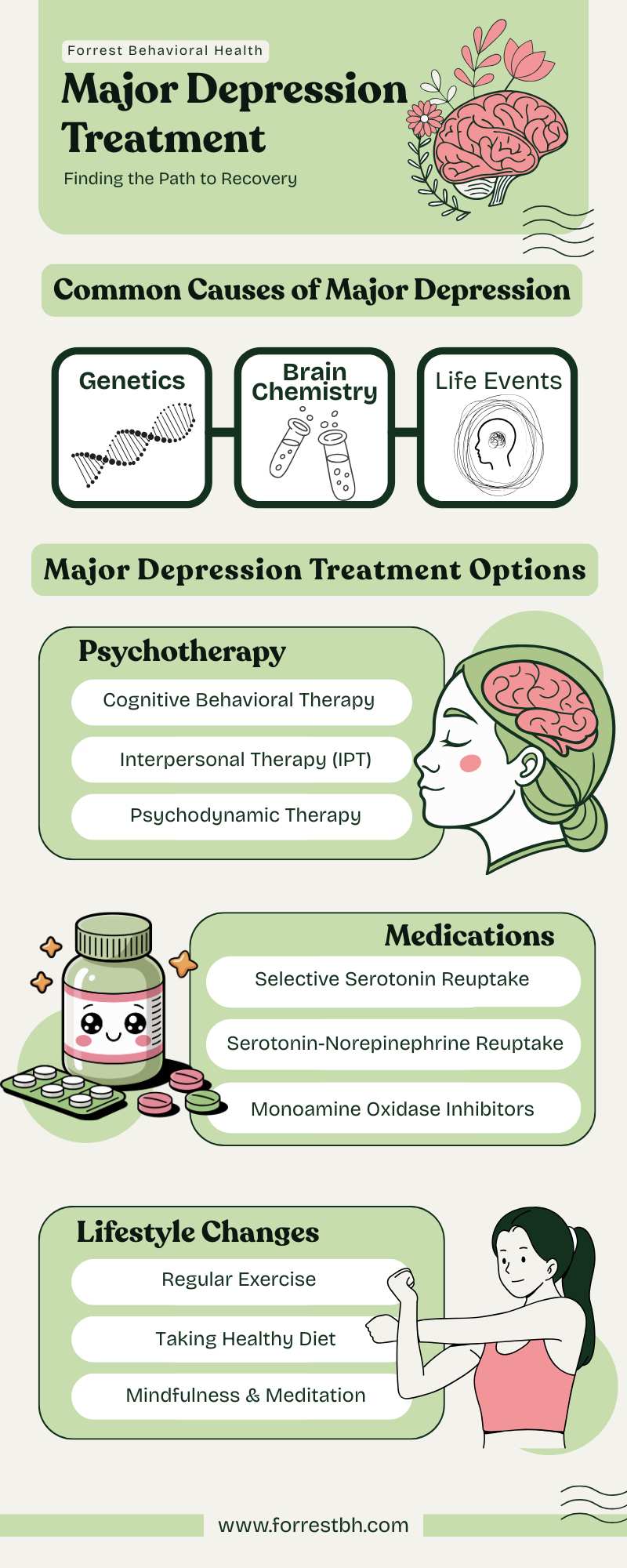
Since your brain’s ability to regulate mood and emotions is broken because of depression, you need help. Therefore, mental health experts may recommend intensive outpatient treatment, partial hospitalization, or sometimes a hospital stay (inpatient rehab), depending on your symptoms.
For example, if suicidal thoughts and anhedonia (lack of any joy) are your constant struggles, staying in a good mental health treatment center will help you ride this phase out. Then, once your depression symptoms lose their severity, the doctors will recommend a milder alternative to continue treatment.
Effect of Burnout and Depression on One’s Self-Worth
Physical illnesses hardly make you question your self-worth or over-analyze your abilities. But if your mental health takes a hit, you might start judging yourself or doubting your capabilities.
Here is how this one factor is different for burnout and depression:
Burnout
Burnout doesn’t damage how you see yourself; instead, it affects how you see your situation.
Since your anger is directed outward, you don’t blame yourself. You understand that your work or life is stressing your nerves, and once that is fixed, you’ll be better. Also, your sense of competence and value stays mostly intact even under all that exhaustion.
Depression
Depression attacks your identity, and you internalize everything. You also blame yourself for circumstances you didn’t cause and problems you couldn’t control.
Even if you get reassurance, it doesn’t help because the issue is that your brain is producing a consistently distorted and damaging picture of reality.
Know Your Reality and Act Fast
Whether you’re burnt out or depressed, timely help will ensure you don’t carry any undue burden. If you’re feeling heavy or exhausted lately, the experts at Forrest Behavioral Health can help you reach a conclusion. Let’s talk and fix whatever is bothering you.