

Signs Your Depression May Require Structured Treatment in Illinois
We often throw around statements like, ‘I am depressed,’ or ‘this particular thing is giving me depression.’ But in reality, that momentary feeling is often just temporary sadness or disappointment, and when its cause is fixed, so is the feeling.
But when someone has Major Depressive Disorder, they experience certain emotions, thoughts, and urges without a logical reason. For instance, one’s life might be good on paper, but they would hardly feel happy or enjoy it. And that’s why mental health experts recommend regular therapy or psychiatrist visits to cure this potentially progressive disease.
However, there can be times when therapy doesn’t do much, and you need a stronger treatment plan to control this mental health condition. This article explains the signs your depression may require structured treatment in Illinois, so your efforts don’t go to waste. Keep reading.
When Do You Require Structured Depression Treatment in Illinois?
Depression is a mental health condition that can get worse over time if not controlled and managed well. Research even shows that almost 85% of people who have recovered from depression will likely experience another episode. This figure goes to show that you cannot attend some therapy sessions and consider the treatment done. If you experience some particular signs, you must start more structured treatment, such as an intensive outpatient plan or inpatient rehab.
If you’re unsure when to make your treatment stricter, here are some signs to understand:
Functioning Decline Despite Regular Therapy
Mental health therapy is meant to stabilize your emotions and reactions, but it cannot manage the functional decline that comes with severe depression. So if you’re taking regular therapy sessions but still your ability to work, maintain personal hygiene, or even eat well and sleep is getting worse, it clearly means you need better treatment.
Since depression at this stage is moving faster than weekly sessions can address, you need a more structured program. Starting intensive outpatient treatment or an inpatient rehab will give you the clinical support and frequency of care that can actually keep pace with where the illness currently is.
Persistent Passive Suicidal Thoughts
Some don’t pay enough attention to passive suicidal thoughts because they don’t plan to act on them. But if these thoughts are persistent, they’re clinically significant and call for a stricter depression treatment program.
For instance, if you keep having thoughts like “I wish I weren’t here” or “everyone would be better off without me”, your current treatment isn’t fixing your hopelessness. Moreover, if this passive ideation is left unaddressed, it has a well-documented tendency to shift.
So if such thoughts have been crossing your mind lately, enter a more structured treatment setting to directly target your hopelessness.
Severe Sleep Disruption
If you’re almost always sleeping or can’t sleep enough and have been diagnosed with depression, it’s one of the clearest signs that this condition has taken a neurobiological hold. Notably, when sleep disruption is severe, behavioral tips from therapy won’t move the needle. That’s because the problem is more physiological than behavioral.
Also, understand that poor sleep may worsen your depression and disrupt your sleep further – needless to say, this becomes a whole cycle that therapy cannot interrupt. Fortunately, structured treatment brings in the medical and psychiatric support you need to address this situation.
Inability to Meaningfully Engage in Therapy Sessions
Your therapist will require you to think and process different emotions for therapy to work. But since depression can get severe enough to make these things nearly impossible, therapy may stop working.
You might attend sessions but not remember meaningful information and feel unable to work on your emotions later. The cognitive fog and emotional numbness that come with severe depression can make talk therapy ineffective, and structured programs can address this.
Substance Abuse as a Coping Mechanism
People often start drinking or doing drugs to numb their depression. And while these substances may seem to work temporarily, they severely damage your condition because they are actually depressants. Also, if you continue doing this, it clearly means you don’t have enough support and need a better plan to overcome both problems.
Needless to say, standard therapy isn’t meant to handle both problems, and mental health experts prefer partial hospitalization or intensive outpatient treatment when you reach this extent.
Longer and More Frequent Depressive Episodes
Depression episodes can escalate if your efforts to fix it aren’t enough. If you’re diagnosed with depression but don’t take the prescribed medication or practice grounding skills recommended by experts, only therapy is equal to simple venting.
It’s worth noting that your depression episodes may become stronger or more frequent if you don’t actively manage them. Insufficient treatment lowers your threshold to keep depression at bay, and it shows. Put simply, you may need even less stress to trigger it and more time to recover if things aren’t under control. Therefore, experts recommend stepping up to partial hospitalization or intensive outpatient programs at this stage.
Physical Depression Symptoms With no Medical Cause
Depression symptoms aren’t always mental, and even your physical health takes a hit because of it. Among many other problems, chronic fatigue, unexplained body aches, digestive issues, and constant restlessness are likely caused by depression.
Sure, a therapist works with your thoughts and emotions, but they can’t treat what’s happening physically. That’s when structured treatment becomes inevitable because it puts medical, psychiatric, and psychological professionals on the same page. When you cater to every dimension of your well-being, the results are more sustainable and faster.
Don’t Let Depression Set the Pace
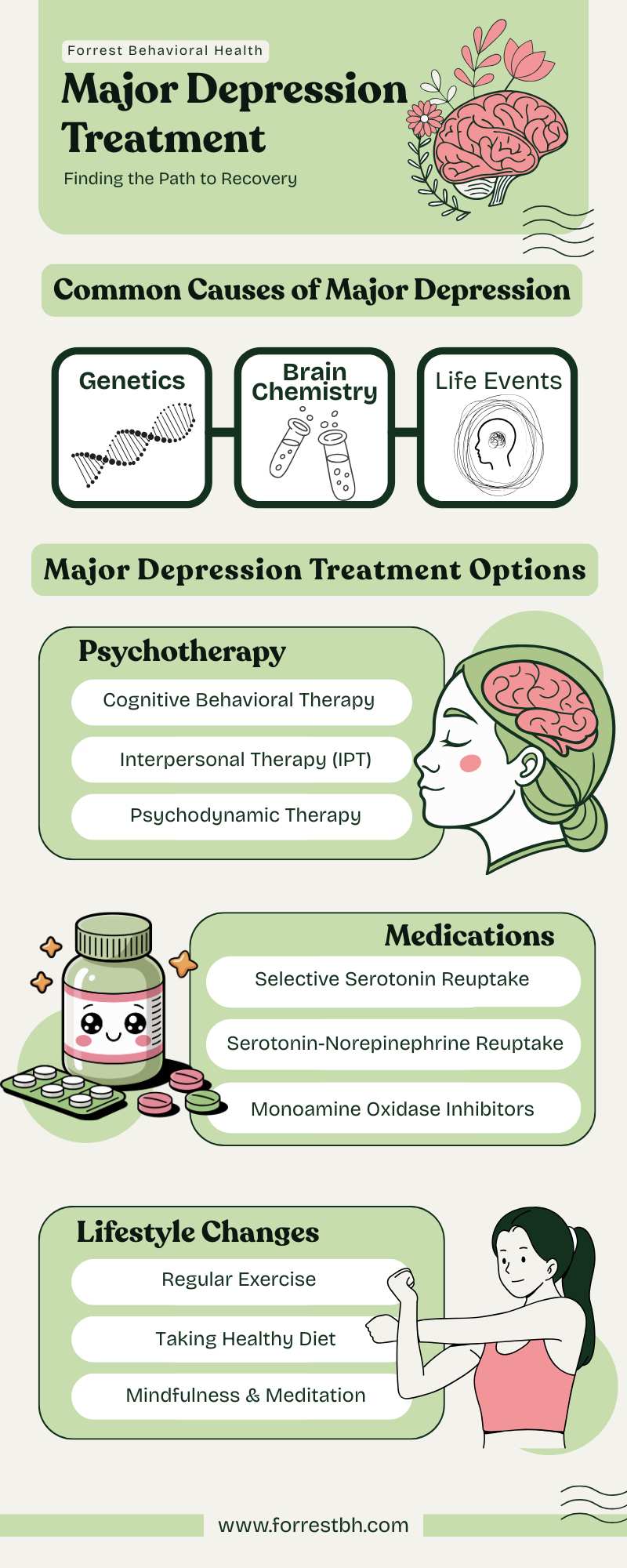
Depression can eat away at beautiful life moments, but you can always nip it in the bud and get over it. If you’re making efforts to treat this condition, you’re already halfway through. But if you experience any of the above signs, discuss it with your healthcare provider to start stronger treatment. If you need any guidance related to depression or different treatment options available, contact Forrest Behavioral Health at 781-570-5781 and consider it done.