
Physical and Emotional Signs Someone May Miss
Alcohol problems can also show through the body and mood.
Watch for increasing tolerance, poor sleep, frequent hangovers, irritability, blackouts, morning shaking, anxiety between drinks, or withdrawal symptoms. NIAAA includes both tolerance and withdrawal among AUD diagnostic criteria.
Withdrawal can become medically dangerous in people with physical dependence. A clinical assessment may be safer than abruptly stopping after prolonged heavy drinking.
Can You Have Alcohol Use Disorder and Still Function Normally?
Yes. Holding a job or maintaining a family doesn’t rule out AUD. Diagnosis depends on alcohol use disorder symptoms during the previous 12 months, not someone’s income, career, appearance, or social status.
What Others See | What May Be Happening Privately |
Arrives at work daily | Strong cravings after work |
Stable income | Growing spending on alcohol |
Active social life | Social plans revolve around drinking |
Exercises regularly | Uses exercise to offset drinking |
Stable relationship | Hides how much they drink |
Rarely looks intoxicated | Has developed high tolerance |
Functioning describes appearance. It doesn’t describe medical risk.
What are the 11 Alcohol Use Disorder Symptoms?
NIAAA explains that AUD can be mild, moderate, or severe. A person experiencing at least two of 11 symptoms within 12 months may meet diagnostic criteria.
The alcohol use disorder symptoms include:
- Drinking more or longer than intended
- Trying unsuccessfully to cut down
- Spending considerable time drinking or recovering
- Experiencing alcohol cravings
- Struggling with major responsibilities
- Drinking despite relationship problems
- Giving up valued activities
- Drinking in hazardous situations
- Continuing despite physical or emotional harm
- Developing alcohol tolerance
- Experiencing withdrawal symptoms
Read NIAAA’s detailed guidance on alcohol use disorder symptoms.
Real-World Case Study: When Success Hid Alcohol Addiction
Therapist and author Sarah Allen Benton has written publicly about her own experience with high-functioning alcoholism.
In her 2025 SELF essay, Benton described maintaining school, professional work, relationships, athletics, marriage, and motherhood while struggling privately with alcohol. She repeatedly created rules meant to control her drinking. A blackout later became a turning point after years of attempted moderation.
Her story reveals three useful lessons:
- Success didn’t cancel the addiction.
- Drinking rules created an appearance of control.
- Failed moderation mattered more than outward achievement.
Read Benton’s first-person account of high-functioning alcoholism.
Why High-Functioning Alcohol Problems are Easy to Miss
Stereotypes can provide false reassurance. Someone might think, “I still have my career, so my drinking can’t be serious.”
Yet alcohol dependence doesn’t check your résumé first.
Career success may hide worsening drinking. High tolerance can make intoxication less visible. Friends may normalize frequent alcohol use while loved ones mistake completed responsibilities for control.
The difficult part? “Functioning” can change. Sometimes slowly. Sometimes all at once.
How Should You Talk to Someone Showing Signs of Alcohol Addiction?
Start with what you’ve observed rather than applying a label. A conversation usually goes better when the person is sober, and the setting feels private.
Try these approaches:
- Describe specific behaviors calmly.
- Say, “I’ve noticed…” instead of accusing them.
- Avoid arguing about the word “alcoholic.”
- Encourage an alcohol-use assessment.
- Don’t repeatedly hide serious consequences.
- Seek support if their drinking affects you.
The goal isn’t winning an argument. It’s opening a door.
 If alcohol is also being used to cope with fear or painful memories, read our previous guide, “Trauma and Addiction: Why Treating Both Matters.”
Finding Alcohol Addiction Treatment Near Bedford, MA
You don’t need to wait until everything falls apart.
Forrest Behavioral Health provides addiction and mental health care at 4 Preston Court, Bedford, MA 01730.
Professional alcohol addiction treatment can address drinking patterns, cravings, emotional triggers, and recovery needs.
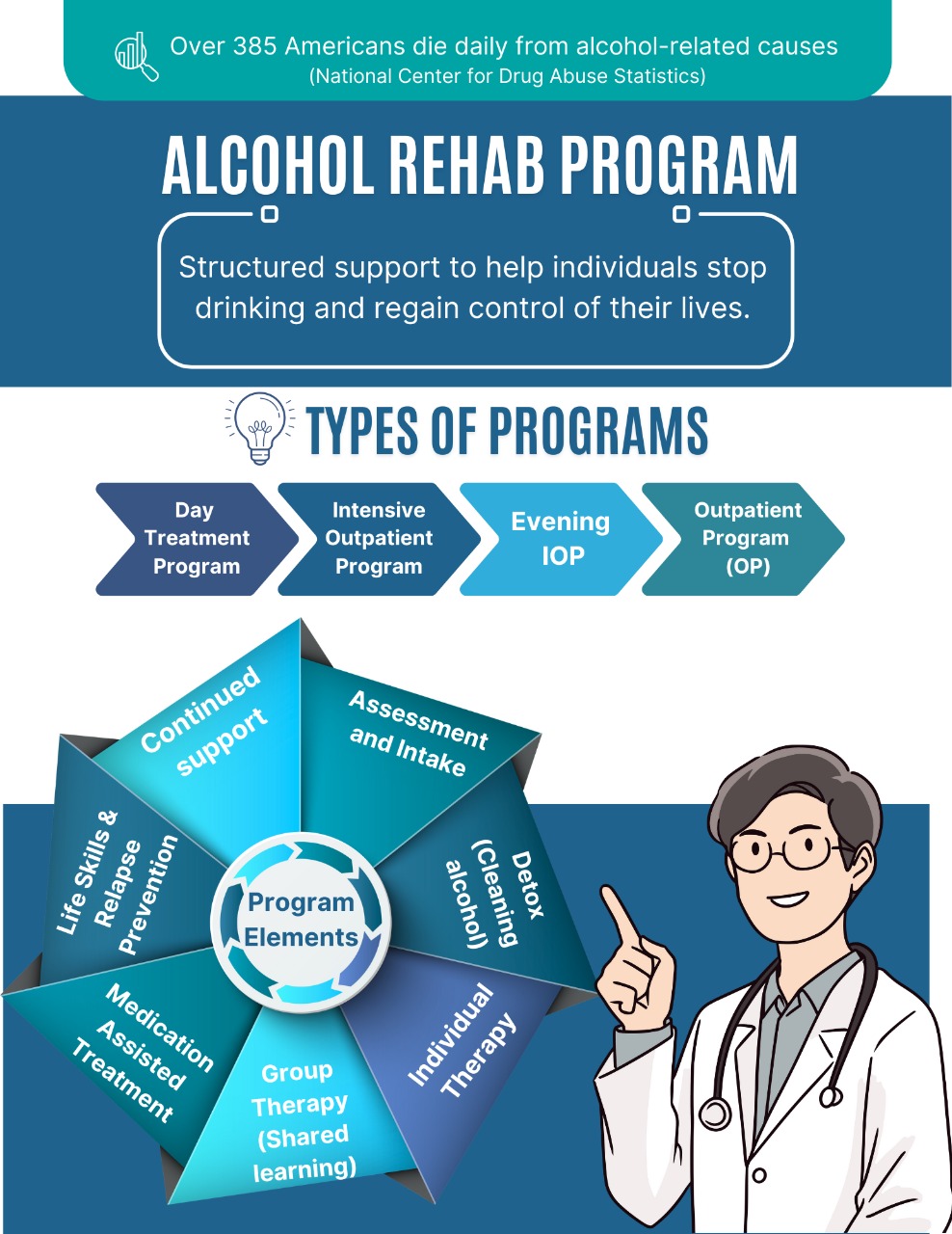
For suitable clients, an intensive outpatient program offers structured treatment while allowing them to remain at home.
That makes care accessible for people seeking alcohol treatment near Billerica, Bedford, and surrounding Middlesex County communities.
When Functioning Stops Meaning Healthy
A paycheck, clean home, or successful career cannot diagnose someone’s relationship with alcohol.
Patterns matter more.
If drinking keeps becoming harder to control, recognizing the problem early can open more treatment choices. Forrest Behavioral Health provides alcohol treatment options in Bedford for people who need structured support without waiting for a major crisis.
When you’re ready to explore care, you can verify your insurance before discussing your treatment options.