

Cocaine Addiction and Mental Health: Anxiety, Depression & Paranoia
“The high can disappear quickly. The fear, sadness or suspicion may not.”
Cocaine can create a burst of confidence and energy. Then the experience can turn sharply. In 2024, about 4.3 million people aged 12 or older reported past-year cocaine use.
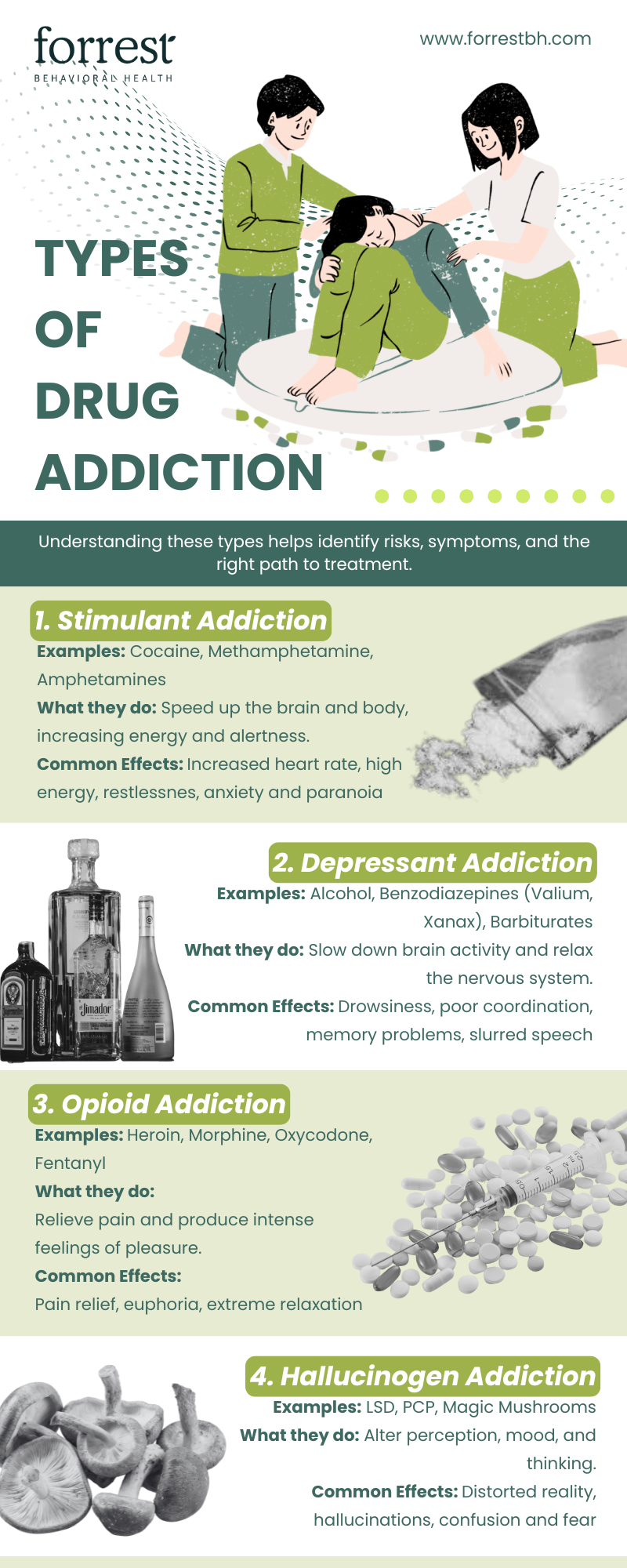
Cocaine can trigger anxiety, panic, depression, paranoia and sometimes psychosis. It affects dopamine signaling, stress responses, sleep and reward pathways. NIDA specifically lists anxiety, panic and paranoia among cocaine’s psychological effects.
For some people, those symptoms disappear after cocaine wears off. For others, they linger or expose an existing mental health concern. Knowing the difference can help you recognize when support may be needed.
Why Does Cocaine Affect Mental Health So Strongly?
Cocaine changes the way dopamine signals move through your brain. It blocks dopamine transporters, causing dopamine to build between nerve cells. That amplified signal contributes to the intense reward associated with cocaine. Repeated use can also make stress systems increasingly sensitive.
Several effects may overlap:
- Reward surge: Cocaine creates powerful reinforcement.
- Stress activation: Nervousness and emotional reactivity may increase.
- Sleep loss: Anxiety and suspicious thinking can become harder to manage.
- Repeated exposure: Smaller amounts may eventually trigger unpleasant effects.
- Cocaine comedown: Mood can drop when stimulation fades.
It’s less like cocaine simply “uses up dopamine.” The brain is responding to repeated, unusually strong signals.
How Does Cocaine Cause Anxiety and Panic?
Cocaine anxiety can occur while using cocaine, during a binge, after the high fades, or during cocaine withdrawal. Increased heart rate and alertness can also resemble the physical sensations of panic.
What Cocaine Anxiety Feels Like
Imagine taking cocaine because you want to feel confident socially. At first, conversation seems easier. Later, your heart races and every glance across the room feels loaded.
Cocaine-induced anxiety may involve:
- Racing thoughts
- Restlessness
- Sweating
- Rapid heartbeat
- Hypervigilance
- Panic attacks
- Feeling unable to settle
- A sudden sense that something is wrong
NIDA reports restlessness, irritability, anxiety, panic, and paranoia among possible cocaine effects.
Can Cocaine Make an Existing Anxiety Disorder Worse?
Yes, it can. Stimulation, disrupted sleep, repeated stress activation, and withdrawal may all worsen existing anxiety.
Still, not every anxious episode means someone has an independent anxiety disorder. A clinician may look at whether symptoms started before cocaine use, mainly follow cocaine use, or continue during sustained periods without it.
That timeline matters because treatment needs can differ.
Why Can Cocaine Cause Depression After the High?
A cocaine high can feel intensely rewarding. The emotional drop afterward may feel equally sharp.
Cocaine depression can appear during the cocaine comedown or withdrawal. With repeated exposure, natural rewards may feel less satisfying while negative moods become stronger when cocaine isn’t present.
Cocaine Depression During the Comedown vs. Ongoing Depression
Cocaine Comedown | Possible Ongoing Depression |
Starts after cocaine fades | May continue during abstinence |
Heavy fatigue is common | Low energy may remain |
Pleasure temporarily drops | Loss of interest persists |
Strong urge to sleep | Sleep may stay disrupted |
Irritability or sadness | Persistent low mood |
Closely follows cocaine use | May have existed beforehand |
Someone may feel drained and low for a period after cocaine. However, persistent hopelessness or loss of interest deserves professional assessment.
If severe depression or suicidal thoughts appear, seek urgent medical care rather than assuming it’s only a comedown.
 Also Read: Fentanyl Addiction Treatment: What Happens After Detox?
Why Does Cocaine Cause Paranoia?
When Does Cocaine Paranoia Become Psychosis?
Paranoia becomes more serious when someone begins losing touch with reality.
Cocaine-induced psychosis can involve hallucinations or fixed delusions. NIDA reports that cocaine binges may produce psychosis with auditory or visual hallucinations.
Seek urgent medical help when cocaine use occurs alongside:
- Hallucinations
- Severe confusion
- Fixed delusions
- Extreme agitation
- Dangerous behavior
- Suicidal thoughts
- Chest pain
- Seizures
Cocaine can cause serious cardiovascular and neurological complications too.
Is It Cocaine-Induced or an Underlying Mental Health Disorder?
Anxiety, depression, paranoia, and sleep problems can come directly from cocaine. Yet someone may also have an independent mental health condition that cocaine worsens.
Substance use disorders commonly occur alongside mental health disorders. Either condition may appear first.
Question a Clinician May Ask | Why It Matters |
Did symptoms exist before cocaine? | May suggest another condition |
Do symptoms mainly follow cocaine use? | May suggest substance-induced symptoms |
Do symptoms continue during abstinence? | Further assessment may help |
Does cocaine repeatedly worsen symptoms? | Shows a strong substance-related pattern |
Are other substances involved? | They may change the presentation |
The goal isn’t to label yourself from one bad night. A proper assessment looks at the whole pattern.
Real-World Case Study: Cocaine Relapse and Psychotic Symptoms
Palma-Álvarez and colleagues reported the case of a 38-year-old man with substance use disorders who was receiving methadone maintenance treatment.
After returning to cocaine use, he developed cocaine-induced psychotic disorder and sought treatment. The clinicians addressed the acute psychiatric symptoms as part of his care.
His experience offers three useful lessons:
- Psychiatric symptoms can emerge quickly after cocaine use returns.
- Cocaine-induced psychosis may require psychiatric care.
- Substance treatment should include mental health assessment when symptoms appear.
One case cannot predict another person’s experience. Still, it shows why severe paranoia shouldn’t automatically be dismissed as “just a comedown.”
How are Cocaine Addiction and Mental Health Treated Together?
When cocaine use and psychiatric symptoms overlap, looking at both gives clinicians a fuller picture. Anxiety, depression, sleep problems, and trauma can affect cocaine recovery just as cocaine can affect mental health.
What Dual Diagnosis Cocaine Treatment May Include
There is currently no FDA-approved medication specifically for cocaine use disorder. Behavioral treatments remain central. NIDA identifies contingency management as one approach with evidence for cocaine use disorder and also discusses cognitive behavioral treatment.
Care may include:
- Cocaine-use assessment
- Mental health evaluation
- Cognitive behavioral therapy
- Contingency management
- Trigger identification
- Relapse prevention
- Group therapy
- Depression or anxiety treatment
- Psychiatric support when appropriate
- Better sleep and daily routines
When mental health symptoms occur alongside stimulant addiction, Forrest BH’s dual diagnosis treatment addresses both mental health and substance-use concerns. Forrest describes dual diagnosis as the presence of a mental health condition alongside a substance use disorder.
Finding Cocaine and Mental Health Treatment Near Bedford, MA
Repeated cocaine anxiety, depression, or paranoia may call for more than substance-use counseling alone. A clinical assessment can look at cocaine use, mood, sleep, other substances, psychiatric symptoms, and immediate safety concerns.
Forrest Behavioral Health provides addiction and mental health care at 4 Preston Court, Bedford, MA 01730.
People seeking cocaine addiction treatment in Bedford, MA can explore Forrest BH’s cocaine addiction treatment and cocaine addiction outpatient services. The outpatient program offers several levels based on recovery needs.
Those options may also serve people looking for cocaine treatment near Billerica or elsewhere in Middlesex County.
If fentanyl or other opioids are also part of the picture, our previous guide, “Fentanyl Addiction Treatment: What Happens After Detox?” explains why continued care after withdrawal matters.
When the High Leaves Mental Health Behind
Cocaine may make you feel sharper for minutes while leaving your mind unsettled much longer.
Cocaine anxiety, cocaine depression, and cocaine paranoia shouldn’t be brushed aside when they keep returning. They may signal that substance use and mental health have become closely connected.
Forrest Behavioral Health offers coordinated addiction and mental health care in Bedford and nearby communities. Addressing both sides can make cocaine recovery less about simply stopping and more about understanding what your mind needs next.