

Why Opioid Addiction in Massachusetts Requires More Than Willpower
“Out of difficulties grows a miracle,” stated by Jaen La Bruyere.
Opioid addiction is one of the difficult challenges that is alarming in MA. From painkillers to alcohol consumption, many communities are facing mental health complications.
According to Stats, in Massachusetts, there is an opioid abuse crisis with overdose, and 100,000 residents are losing their lives. 100,000 residents! The rate is 55% above the national average, and there is fentanyl use with 90% of opioid fatalities.
Opioid addiction affects the individual emotionally, physically, and socially. It is a medical condition where a person is dependent on opioid drugs. They use it consistently and even overdose on it along with alcohol until quitting seems extremely impossible.
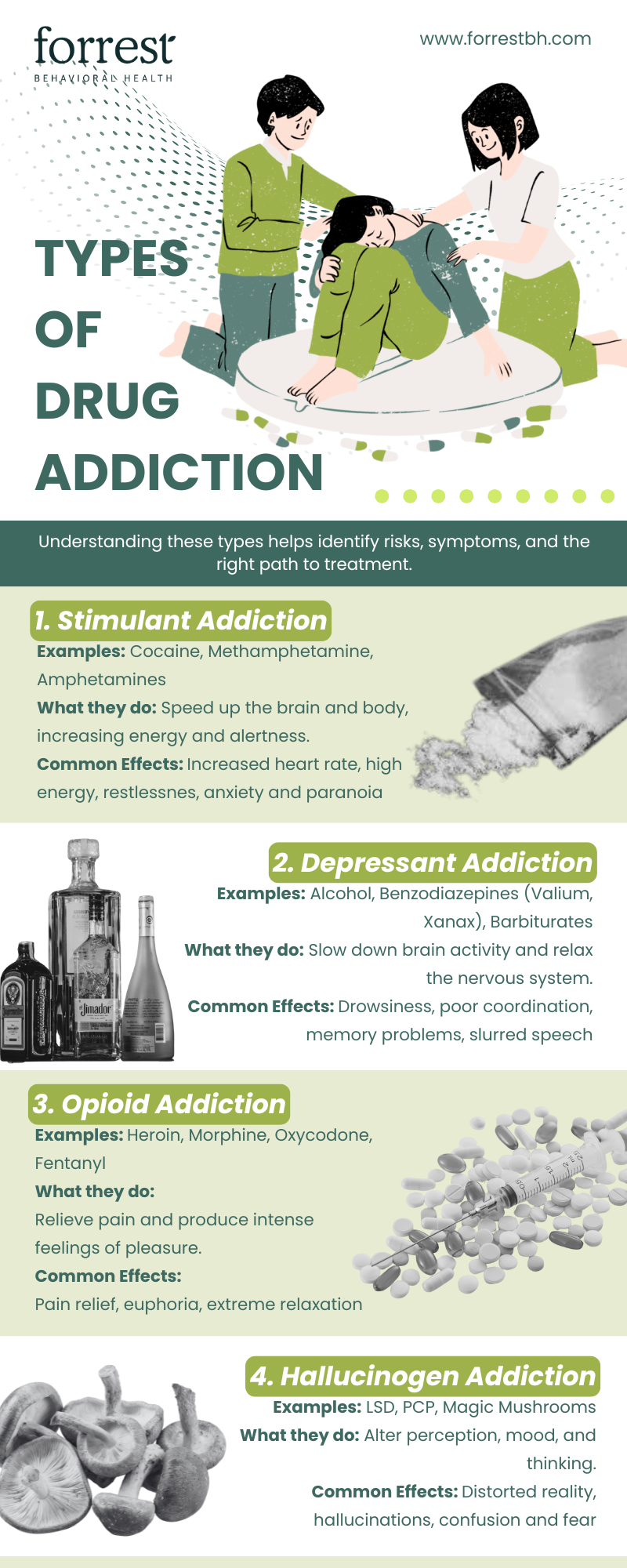
Opioids are considered illegal drugs like heroin and Fentanyl. Its usage affects the brain’s stability and functioning. It triggers the dopamine centers of the brain, and the patient starts relying on it to feel pleasure.
In this article, we will break down opioid addiction treatment in MA, along with key components and levels of care.
What is Opioid Addiction?
Opioid addiction is a medical condition in which a person is dependent on an opioid drug. These drugs include pain relievers such as oxycodone and hydrocodone.
With consistent use, you get addicted to it, and your brain does not function properly. To make matters worse, you won’t be able to stop safely without professional mental health support.
The opioids hit the emotional and pain centers of the brain. In case of quitting, the patient faces difficulty managing the withdrawal symptoms.
Why Professional Opioid Addiction Treatment in MA Matters?
If you have tried to stop using opioids on your own and found it stressful. Then, you are not alone, and requesting help is not a sign of weakness.
Opioid addiction is not a bad habit but a complex brain disorder. This medication changes brain chemistry; quitting suddenly can lead to intense withdrawal symptoms. In some cases, withdrawal without supervision can be fatal for health.
The professional mental health treatment provides medical supervision and medication-assisted treatment (MAT), including therapies and relapse prevention training. This medical approach helps reduce your cravings and manage withdrawal safely. With the right care and support, individuals struggling with opioid addiction can regain stability and rebuild relationships with a healthier future.
Who Should Seek Opioid Addiction Treatment?
If you or someone you love feels trapped in the cycle of opioid addiction, reaching out for help can be a life-changing and courageous step. In Massachusetts, opioid addiction treatment is recommended for individuals struggling with prescription opioid misuse, heroin or fentanyl use, repeated overdose risk, or frequent relapse.
It is especially important for those who experience severe cravings and withdrawal symptoms that feel impossible to manage alone, leading to physical discomfort and emotional distress when trying to stop. When opioid use begins to affect health, work performance, or relationships, professional support becomes essential.
Levels of Opioid Addiction Treatment in MA
A. Medical Detox / Withdrawal Management
It is the first step in managing a patient’s addiction and provides 24/7 medical supervision to ensure safety. It helps manage withdrawal symptoms and allows the patient to feel stabilized physically and emotionally before moving to the next level of care.
The purpose is to detox the brain and body while reducing discomfort caused by opioids. Mental health experts monitor the symptoms while detoxing and assist in managing them.
B. Inpatient / Residential Treatment
Inpatient treatment provides 24/7 care for individual recovery. Opioid quitting needs a supportive environment, and the team is present at the spot to focus fully on the patient’s condition.
Patients follow a carefully planned routine that includes therapy sessions, educational programs, and wellness activities to promote recovery and healthy habits.
Inpatient treatment is recommended for those who have a severe opioid usage history and require 24-hour monitoring.
C. Partial Hospitalization Program (PHP)
A Partial Hospitalization Program (PHP) offers structured daytime opioid addiction treatment in MA for patients who need intensive support without staying overnight. It is recommended for those who require several hours of therapy each day.
It includes individual counseling, group therapy, and medical monitoring. Patients participate in comprehensive treatment during the day and return home in the evening. PHP allows participants to maintain family involvement and personal responsibilities.
D. Intensive Outpatient Program (IOP)
If you are looking for a balanced treatment option that fits into your daily life, an Intensive Outpatient Program (IOP) can be a strong choice. IOP allows patients to attend treatment sessions in the morning or evening and return to their work, school, or family responsibilities.
This structured program includes individual therapy, group counseling, and medication management to support stability. IOP focuses on identifying the underlying and hidden reasons behind substance use, helping individuals break unhealthy patterns.
E. Outpatient Treatment
If you cannot visit the hospital regularly, then outpatient treatment provides ongoing therapy for individuals living at home.
This Opioid addiction treatment in MA provides relapse prevention strategies to understand triggers and coping skills. The regular sessions of the outpatient program offer reassurance and encouragement for maintaining the stability of life.
“Recovery starts the moment you take help”.
Medication-Assisted Treatment (MAT) for Opioid addiction in MA
Medication-Assisted Treatment for opioid addiction combines FDA-approved medications with behavioral therapies to support long-term recovery. Common medications such as buprenorphine, methadone, and naltrexone work by stabilizing brain chemistry. It reduces cravings and manages withdrawal symptoms.
MAT is considered the gold standard because it addresses co-occurring mental health issues and lowers the risk of relapse and overdose.
When followed consistently, it helps individuals rebuild stability and return to a healthier life.
Dual Diagnosis and Mental Health Support
When you are dealing with opioid addiction and mental health struggles at the same time, it can feel surprising. In Massachusetts, dual diagnosis treatment is designed to address opioid use disorder (OUD) alongside underlying mental health conditions such as PTSD, depression and anxiety.
Many individuals turn to opioids as a way to cope with emotional pain or escape difficult situations.
Consistent use of opioids can risk and cause worsening both physical and psychological health. An integrated treatment approach ensures that addiction and mental health conditions are treated together through therapy and care. It provides comprehensive support that promotes long-term stability and recovery.
What to Expect When Starting Treatment?
Initial assessment: When you start opioid addiction treatment, professionals evaluate your physical and mental health by taking details. The details include the starting dose to the current dose. This helps them to determine the most suitable care and support for your recovery.
Personalized Treatment Plan: A personalized treatment plan is designed to address your unique needs, current challenges, and recovery goals. It includes therapies such as individual and group sessions, medication management, and relapse prevention strategies.
Goal Setting: Opioid addiction treatment in MA has a goal-setting target for helping individuals achieve long-term recovery. You can discuss goals with your therapist while setting clear and achievable recovery goals. These goals focus on reducing substance use while improving physical and mental health with active daily routines.
Ongoing Monitoring and Support: Your progress is closely tracked to ensure safety and effectiveness, along with ongoing monitoring and support. Regular check-ins and counseling, along with peer support, also help in long-term recovery.
“Don’t let opioids control your life.”
Taking the First Step Toward Recovery
Many people who experience overdose or repeated opioid use feel trapped because they don’t know how to stop or manage withdrawal symptoms. Taking the first step toward professional treatment may feel confusing, but with the right support, you can regain control of your life.
In Massachusetts, licensed mental health and addiction professionals create a personalized treatment plan that includes therapy and counseling with medication management. With expert guidance and structured care, each phase of recovery is carefully monitored to ensure safety and stability for long-term success.
If you or a loved one is struggling with opioid addiction in Massachusetts, then contact a licensed expert from Forrest Behavioral Health and take the first step toward safe and structured recovery.