

Intensive Outpatient Program (IOP) For Alcohol Rehab In Massachusetts
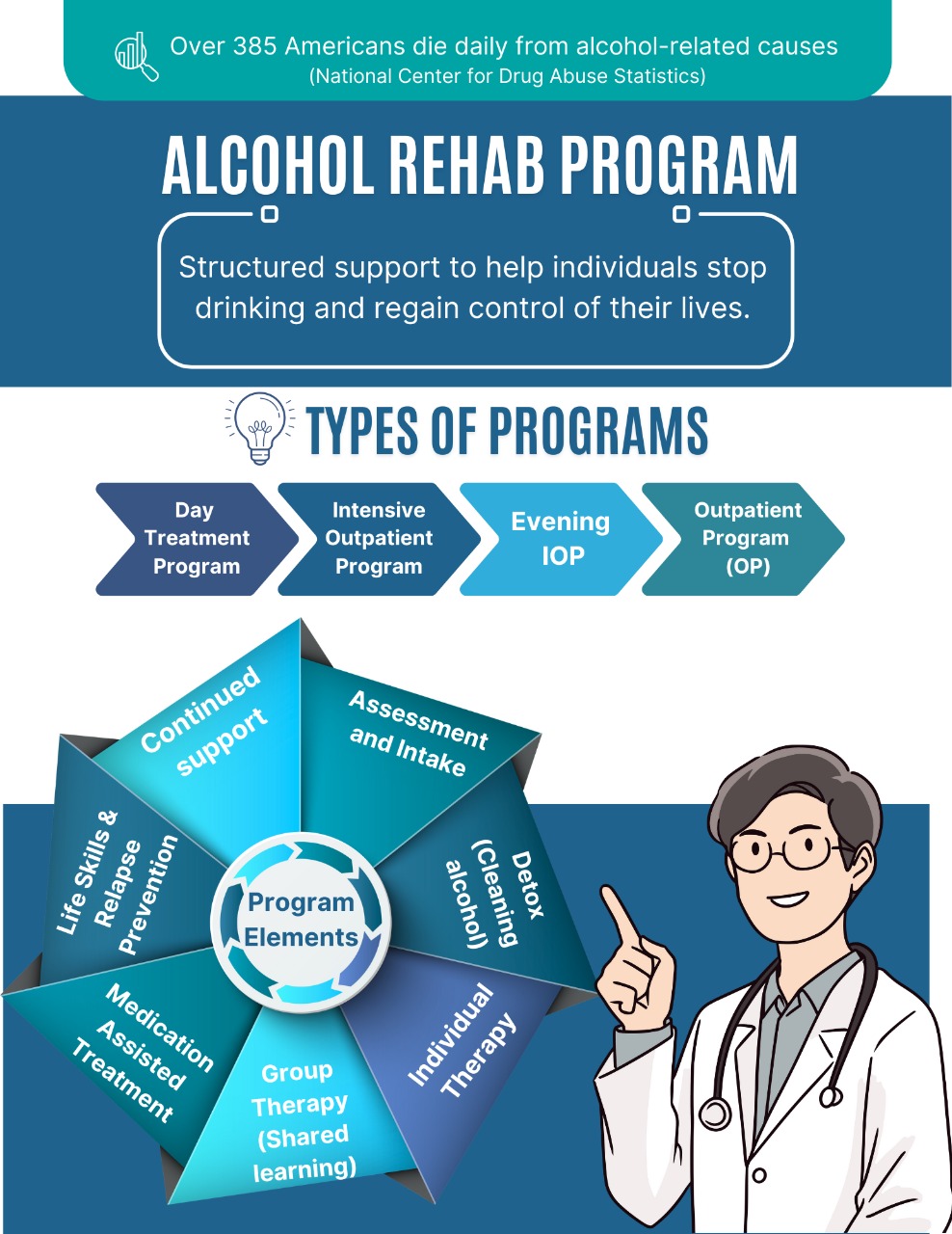
An Intensive Outpatient Program (IOP) is often a good fit when you need more support than standard outpatient care, but you have a stable living situation. Our alcohol addiction page explains that IOP can include several hours of treatment per week, often with both individual and group sessions.
Because IOP lets you live at home, you can practice new skills in real time and then bring those experiences back to therapy. We also describe IOP as a way to build accountability, understand root causes, and create a sustainable recovery plan.
What Often Makes IOP Helpful
- Flexible scheduling around work and responsibilities.
- Skill practice between sessions with steady clinical support.
- Ongoing connection to therapy and peer support.
Outpatient Program (OP) For Alcohol Rehab In Massachusetts
Standard outpatient care usually takes less time per week, and it often works best as a step-down after higher levels of care. On our site, we explain that outpatient sessions are often once or twice weekly and focus on maintaining sobriety and strengthening coping mechanisms.
Outpatient care can be a strong long-term support because it fits into daily life. It also helps you keep building momentum while you manage responsibilities and stay connected to professional guidance.
Outpatient Care Often Focuses On
- Consistent therapy and progress tracking.
- Strong routines and practical coping tools.
- Long-term support and relapse prevention planning.
Therapies Used In Alcohol Rehab In Massachusetts
“Evidence-based” simply means the treatment is backed by good science and strong studies, not guesswork. NIAAA notes that professionally led treatment often includes talk therapy and medications, and these can be combined and tailored to each person.
At Forrest Behavioral Health, we commonly use both group and individual therapy to help people address underlying issues and build healthier coping skills for stress and triggers. Below are common therapy types you may see in quality programs.
Individual Counseling
Individual sessions help you identify triggers, strengthen motivation, and build a realistic plan for high-risk situations. We use individual therapy to address underlying issues that contribute to alcohol addiction and to build healthier coping skills.
Group Counseling
Group therapy adds structure, connection, and shared learning. We offer group therapy so people can learn skills, gain support, and feel less alone during recovery.
Family Counseling
Family work can help repair trust and improve communication. We describe family support as part of treatment, because alcohol addiction often affects relationships, boundaries, and daily stability.
Trauma-Informed Counseling
Trauma can mold substance use in tacit ways, so trauma-informed care helps people to feel safer as they take on deeper work. We also provide trauma-informed therapy to identify root causes and underlying problems of substance misuse and co-occurring disorders.
Dual Diagnosis Support During Alcohol Rehab In Massachusetts
Issues with alcohol frequently coexist with mental health problems, and treating one alone can cause risks, as the other problem remains unaddressed. We offer co-occurring disorder treatment for substance use and mental health concerns, including anxiety, depression, bipolar disorder, and symptoms connected to trauma.
Some of these systems can help you feel more stable because symptoms like panic, low mood, or trauma responses can activate cravings. Addressing both concerns in a single plan is also helpful for establishing a routine that fosters long-lasting recovery.
Medication Support And Medical Oversight (When Appropriate)
Medication is not “magic,” but it can be a useful tool when it is clinically appropriate and carefully monitored. NIAAA notes that clinicians can prescribe non-addicting medications to help people stop drinking and avoid relapse, and these can be combined with therapy.
On our alcohol addiction page, we explain that medications are often incorporated to reduce cravings and help prevent relapse, and they are tailored to each person’s needs. We also emphasize that withdrawal can be severe, so medical support matters when safety is a concern.
Aftercare And Relapse Prevention Planning
Recovery is strongest when treatment ends with a clear line, not an abrupt stop. Aftercare is what helps you hold on to strides made during turbulent seasons, because the daily grind has a way of returning triggers when support vanishes.
Ongoing support can take the form of step-down care, continued therapy and community support. A written relapse prevention plan – which includes triggers, coping skills, and who to call when things feel shaky – is helpful for many.
Common Aftercare Pieces
- Step-down care (PHP → IOP → OP) when clinically appropriate.
- Continued individual and group therapy support.
- Recovery community support and structured routines.
Cost Of Alcohol Rehab In Massachusetts And Insurance
Cost depends on the level of care, treatment intensity, and insurance benefits, so it helps to verify coverage early. We encourage people to start with a clear benefits review so they understand expected out-of-pocket costs.
We also note that outpatient services can be more flexible for many people, especially when balancing work and family responsibilities. When you ask questions early, you can often reduce stress and avoid surprises later.
 Ready to explore Drug Rehab in Massachusetts options? Read our latest blog from Forrest Behavioral Health for clear guidance on levels of care, therapies, and your first steps toward lasting recovery.
Choosing Alcohol Rehab In Massachusetts: A Practical Checklist
Choosing care is easier when you use a simple checklist, because good treatment is about fit and safety. As you compare options, look for programs that offer the right level of support and a clear plan for step-down care.
Also, ask how the program handles mental health needs, medications, and aftercare planning. The goal is to leave treatment with skills, support, and a plan you can actually follow.
- Ask which levels of care are available, and how step-down planning works.
- Confirm support for dual diagnosis and mental health symptoms.
- Review therapy options like individual therapy and group therapy.
- Ask about medication support and clinical monitoring if needed.
- Request an aftercare plan with relapse prevention and follow-up care.
Case Study
A 2019 case report from Interfaith Medical Center in Brooklyn described a 48-year-old man with long-term heavy alcohol use who developed severe withdrawal delirium, also called delirium tremens.
He required ICU-level monitoring, escalating doses of benzodiazepines, and later phenobarbital to stabilize symptoms that persisted for weeks. The authors noted that delirium tremens can be serious and may require intensive medical management, especially when symptoms are refractory.
After improvement, he was discharged to an inpatient rehabilitation program and completed 28 days, though a relapse occurred after discharge. This report highlights why safe withdrawal support and aftercare planning matter.
How To Start Alcohol Rehab In Massachusetts
Starting rehab can feel overwhelming, so it helps to focus on one step at a time. At Forrest Behavioral Health, we encourage people to begin by requesting a call so you can ask questions in a calm, private way.
If you want support outside your immediate circle, SAMHSA’s National Helpline is free, confidential, and available 24/7/365 for treatment referrals and information. From there, you can verify insurance, complete an assessment, and start at the level of care that fits your needs now.
A Simple 3-Step Path
- Call and ask questions about options and scheduling.
- Verify insurance and schedule an assessment.
- Start care at the right level, then step down as stability improves.
Conclusion
If alcohol has started to control your time, your mood, or your relationships, help can make the next step feel possible. Alcohol rehab is not only about stopping drinking; it is about learning skills, building support, and creating a plan that holds up in real life.
At Forrest Behavioral Health, we offer structured, evidence-based treatment services for alcohol addiction, including therapy and support that address the deeper causes and daily triggers behind alcohol use. If you are ready to talk, request a call and let us help you map out the next right step.