
Addiction is a harsh reality for many families in Massachusetts. In 2022 alone, the state saw around 2,200 opioid overdose deaths, a staggering number that highlights just how urgent this crisis is. At the same time, alcohol-related health problems continue to rise, creating a dual challenge for treatment centers across the state.
To meet this growing need, rehab programs are changing how they work. They are moving toward more specialized, trauma-informed care that helps the whole person, not just their addiction.
To make this change happen, Forrest Behavioral Health is using caring, scientifically proven methods to help people improve their lives. If you or someone you care about is having trouble with addiction, keep reading to find out how rehab programs are changing today and how to take the first important step towards long-term recovery.
Why Traditional Rehab Models Fall Short
After years of helping people, most standard rehab programs still miss the mark for those battling addiction. A cookie-cutter approach doesn’t cut it anymore. Older clinics mostly zipped through detox and gave everyone the same group talk. However, the current addiction crisis—especially the spike in people who misuse both alcohol and opioids—demands that we tackle messy, interlocked problems. These include past trauma, mental health concerns, court cases, and not having a stable place to live.
Modern centers like Forrest Behavioral Health in Massachusetts appreciate that real recovery begins with caring for the entire individual rather than only addressing the signs of substance use.
Dual Diagnosis is Now a Core Standard in Massachusetts
Treating addiction without addressing mental health is like fixing half the problem.
Most of the time, addiction cases aren’t simple nowadays; they involve emotional pain that isn’t obvious. That’s why dual diagnosis is no longer a luxury; it’s the new standard of care. More than half of the people who are trying to stop using alcohol also have a mental illness, such as PTSD or depression. This means that dual diagnosis treatment is not just an option; it is necessary.
At Forrest Behavioral Health, doctors do a full evaluation when a patient first comes in to find out if they have more than one disorder. After that, addiction counselors work with licensed mental health professionals to create individualized therapy plans. Working on both problems at the same time leads to better recovery, fewer relapses, and a stronger foundation for the long term.
Innovation in Medication-Assisted Treatment (MAT)
MAT is often linked to recovering from opioids, but it is also widely used in alcohol rehab. Drugs like Naltrexone and Acamprosate have been shown to help people stop drinking and keep them from going back to it.
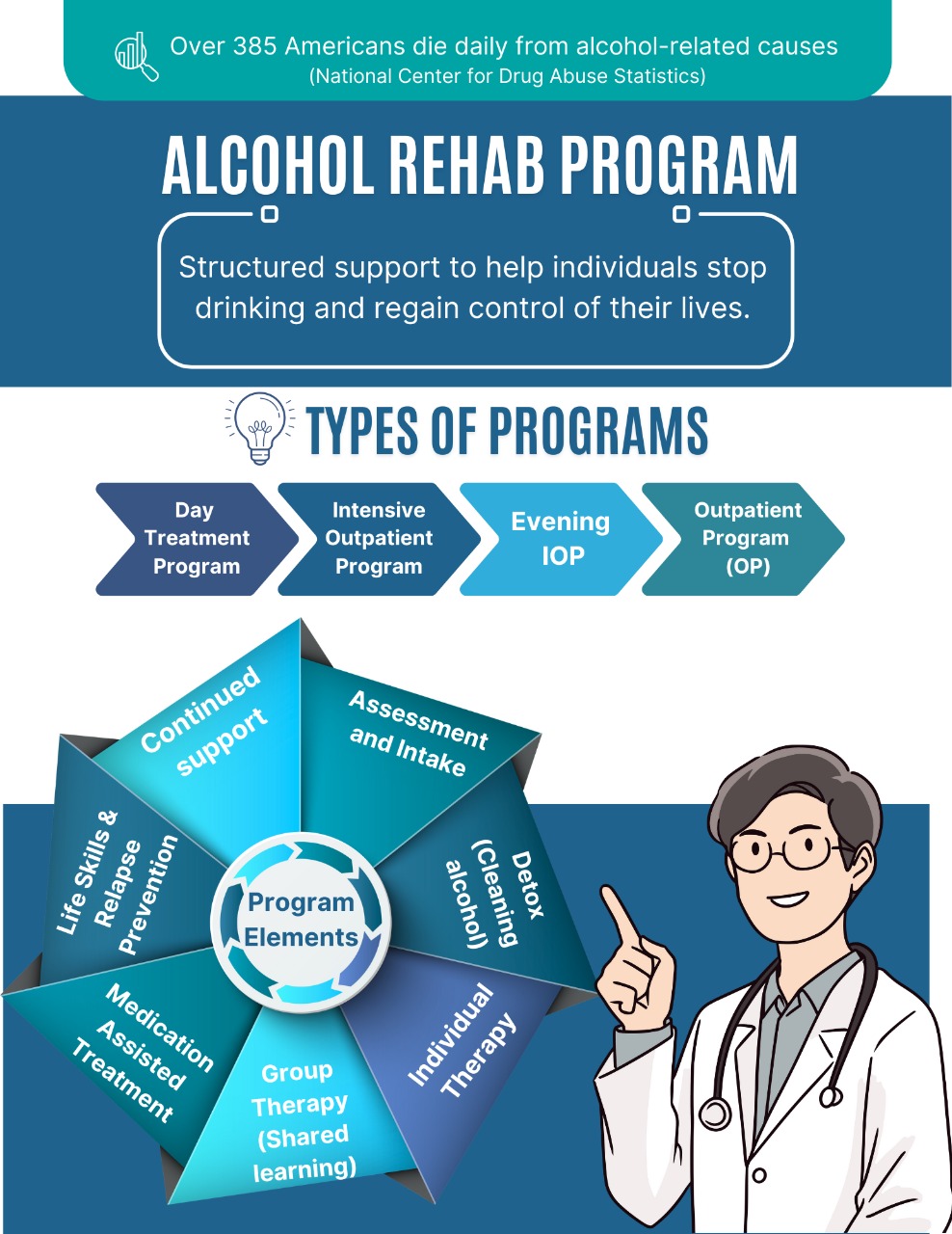
The good news is, we use both MAT and psychotherapy at Forrest Behavioral Health. Patients can get medication while also going to group sessions, Cognitive Behavioral Therapy (CBT), and training on how to avoid relapsing. This helps them heal both physically and emotionally.
Technology Expands Access Like Never Before
Using technology to get rid of treatment barriers is one of the biggest changes in Massachusetts rehab programs. There are now more ways to get help, from video therapy sessions to text-based support and mobile apps. This is true even for people who live in remote or underserved areas.
Forrest Behavioral Health offers:
- Secure telehealth appointments
- Virtual group therapy
- Emergency texting platforms
- Digital relapse-prevention tools
These tools are essential for people who work, are single parents, or can’t go to treatment in person every day.
Trauma-Informed Care Is Now the Norm
A lot of people who have trouble with alcohol have experienced traumatic events in their lives, like abuse as a child, domestic violence, or serving in the military. NIH research shows that nearly 50% of people diagnosed with PTSD also experience a substance use disorder, and integrating trauma-informed care improves engagement and treatment outcomes significantly. As a result, rehabilitation centers have begun to adopt trauma-informed care models.
This method ensures that every step, from intake to therapy, is conducted with care, safety, and empowerment. All staff at Forrest Behavioral Health have been trained to communicate with and plan care for individuals who have experienced trauma.
Peer Support and Community Engagement Matter
Rehab is no longer limited to hospitals. Peer support and care in the community are very important for long-term recovery. Forrest Behavioral Health combines:
- Peer-led recovery coaching
- 12-step and non-12-step support groups
- Family involvement sessions
- Alumni programs for ongoing connection
These services give people hope, help them feel less alone, and give them the drive to stay on track, especially after they leave.
 Want to see how holistic and clinical care come together? Read our latest blog: Sudbury’s Success in Treating Dual Diagnosis: Outpatient Alcohol Treatment for Co-Occurring Disorders.
Case Study: HOLYOKE Early Access to Recovery and Treatment (HEART) Program
Massachusetts’ Holyoke HEART program, developed in partnership with the Massachusetts Department of Public Health and judicial authorities, is a court-based initiative aimed at increasing access to medication for opioid use disorder (MOUD) and peer recovery support.
Between August 2021 and February 2022, 48% of individuals arraigned in Holyoke District Court were eligible, with 54% engaging with peer recovery specialists and 11.5% directly linked to MOUD providers. The program focused on underserved, primarily Latinx and low-income populations, providing an effective model of integrated care at critical legal touch-points. This peer-driven, culturally competent approach offers valuable lessons for enhancing alcohol and opioid treatment programs statewide.
Cultural and Personalized Treatment Is Prioritized in Massachusetts