
Why Recovery Works Better When Families Are Involved
Studies show recovery lasts longer with family involvement. Here’s how outpatient programs make that happen.
Recovering from addiction and/or mental healthcare issues is often advertised as a hero’s journey, a solo struggle, a quest that one person finishes on their own. Well, that’s far from reality. We are human beings, and we need help – help from our family and loved ones.
Did you know that patients with family therapy are 83% more likely to finish treatment? This goes on to show the significance of family involvement in any individual’s recovery.
Luckily, outpatient care for families supporting recovery in MA can help kill two birds with one stone. These programs bolster individual recovery by making the family aware of their vital role while ensuring that the family members themselves feel seen, heard, and included in their own right. Read on to find out how!
Why Family Support is Vital in Outpatient Settings
Did you know individuals are 20-30% more likely to complete their treatment if and when family is involved? It makes sense because family involvement is more than just emotional support; it is the literal foundation of long-term recovery, which also helps the patient in developing healthy coping mechanisms.
Consistency and Accountability
Unlike residential care, where a patient is removed from their environment, outpatient clients return home every day. This is where the “rubber meets the road.” A supportive, informed family helps reinforce the coping skills learned in therapy sessions.
When a family understands the language of recovery, they can provide a consistent structure that keeps the individual accountable to their goals without becoming “policing.”
Creating a “Trigger-Free” Zone
Environmental triggers are one of the leading causes of setbacks in early recovery. These can range from a specific cabinet where alcohol was kept to a particular tone of voice used during an argument.
Family involvement allows loved ones to identify these triggers and work together to remove them. By modifying the home environment, the family creates a sanctuary where the individual can practice new behaviors safely.
Reducing Isolation
Substance use and mental health problems feed off fear and secrecy. Hiding the recovering person away from neighbors or extended family is common. The problem is, it only deepens the shame. The truth is, the family’s dismissiveness can derail the recovery as much as their involvement can fast-track it.
When everyone’s invested, the “secret” disappears, and it becomes a shared family project, reducing the burden on the individual and providing a platform for loved ones to speak their truth.
The Clinical Evidence
The numbers do not lie. Clinical studies consistently show that treatment outcomes significantly improve when family members are active participants.
Not only that, but family involvement is known to reduce the relapse rate by 40%. This means the influence of family participation is crucial in achieving long-term stability.
How ForrestBH Empowers Families in Outpatient Care
Did you know that individuals suffering from substance use disorder rarely seek help themselves?
In fact, only about 20% (or fewer) of patients admit themselves to mental healthcare or substance use disorder programs. On the contrary, more than 74% of individuals enter care due to the involvement and encouragement of their families.
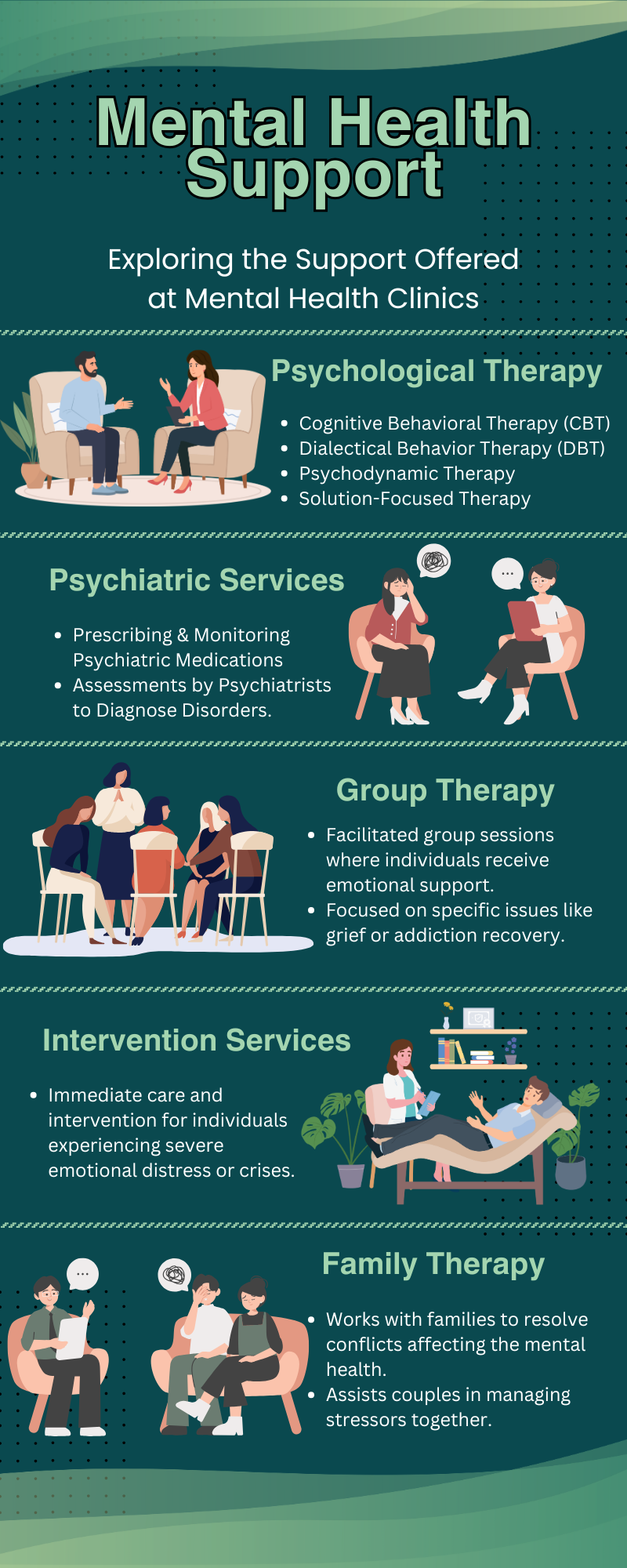
ForrestBH understands the influence of family, which is why our treatments also include family members in therapy.
Family Therapy Sessions:
We understand the importance of communication; therefore, at ForrestBH, we facilitate structured family sessions with licensed clinicians designed to repair fractured communication among family members.
These therapeutic sessions provide a safe, supportive, and neutral ground for family members to discuss old conflicts and resolve misunderstandings without escalating.
Education on the “Disease Model”
One of the most powerful educational tools we offer is education. We teach and help families understand that addiction and mental health struggles are clinical medical conditions involving neurobiology, not failures of willpower or character.
By consistently viewing these issues through a medical lens, families can shed the heavy weights of blame and shame and have space for more empathetic interactions.
Setting Healthy Boundaries
A crucial, foundational component of sustainable recovery is learning the difference between “supporting” and “enabling.” By support, we mean helping someone do something they cannot do for themselves. Enabling, on the other hand, is doing something for them that they could and should do.
We provide families with the tools to set firm, clear, loving boundaries that protect the family’s well-being while also encouraging the individual’s independence.
Trauma-Informed Care for Everyone
Every individual also has their own “secondary trauma” from living with the chaos of a loved one’s substance use or mental health struggle. Our clinical approach to healing is trauma-informed across the entire unit of care.
Specialized counseling and trauma-focused therapies, such as EMDR and somatic therapies, are available to help loved ones heal their own wounds.
Tools and Support for Outpatient Care for Families Supporting Recovery MA
Support Groups
No family should have to walk this path alone. We help connect Massachusetts families with local peer groups, such as Al-Anon or Nar-Anon.
These groups provide a community of people who have walked in your shoes, offering a space to share experiences, discuss hurdles, and find strength in shared wisdom.
Education Workshops
Forrest Behavioral Health offers sessions specifically for parents, spouses, and adult children. These workshops dive deep into the neurobiology of recovery and the specifics of Dual Diagnosis.
When you understand why your loved one reacts the way they do, it becomes much easier to navigate the ups and downs of the process.
Transition Planning
Recovery is a marathon, not a sprint. As a client steps down from our Partial Hospitalization Program (PHP) or Intensive Outpatient Program (IOP) to traditional outpatient therapy, our team works closely with the family to create a “Continuing Care Plan.”
This ensures that the progress made in the clinic is sustained at home long after the program ends.
A Stronger Family Starts Today
Recovery from addiction is a hard, challenging road, and it requires patience, commitment, consistency, and support. Among other factors, one thing that positively influences the recovery of substance use disorder patients – on a major level – is family involvement. This family involvement brings out hope, motivation, accountability, and resilience for patients.
This is why ForrestBH ensures that we offer outpatient care for families supporting recovery in MA. This allows us to help individuals struggling with mental health challenges or substance use disorder through structured therapy and personalized support.
So, if your loved ones are struggling and you are unsure what to do, this is your sign. Pick up your phone and call us at (781) 570‑5781 to achieve lasting recovery for your loved ones.