

Anger Management or Mental Health Treatment? Why Woburn Residents May Be Getting the Wrong Help
A smoke detector doesn’t start fires. It reacts to one. It picks up the particles in the air and does the one thing it knows how to do: make noise until somebody pays attention. Nobody looks at a screaming smoke alarm and assumes the alarm itself is broken. They go looking for the fire.
Anger works the same way more often than people in Woburn realize. It’s loud. It’s disruptive. It’s the thing everyone notices first. In reality, it is very rarely the fire. It’s the alarm.
The numbers back this up more clearly than most people expect. Uncontrolled anger isn’t really that common on its own; researchers put the rate of intense, poorly controlled anger in the general population at under 10 percent. However, when they looked closer at that group, almost all of them, somewhere close to nine out of every ten, met the criteria for at least one diagnosable psychiatric condition. Not occasionally. Not as a coincidence. Almost always.
In other words, the alarm rarely goes off for no reason. There’s usually a fire. The trouble is, most people only ever get handed tools for the alarm. And a lot of people spend years trying to fix it.
When the Alarm Really Is the Problem
To be fair to anger management, it earns its reputation for a reason. For some people, anger genuinely is the primary issue, not a symptom pointing somewhere else. Maybe nobody ever taught them what to do with frustration besides let it out. Maybe a handful of specific triggers, a tone of voice, or a certain kind of criticism sets them off in ways that don’t reflect the rest of their life.
In those cases, anger management does what it’s built to do. It teaches pattern recognition. It builds a pause between the spark and the explosion. Cognitive behavioral approaches in particular have strong research behind them for exactly this kind of anger, the kind that shows up almost on its own, isolated from anything bigger underneath it.
If that’s the shape of your anger, a structured anger management program can be the right call, full stop.
When the Alarm Is Going Off Because of a Fire Somewhere Else
For a lot of people, anger isn’t standing alone. It’s standing in for something. Depression that’s gone unnamed. Anxiety that never gets a quiet moment. Trauma that hasn’t been touched directly in years. Mood swings that look, on the surface, like a temper but are actually something closer to bipolar disorder. In these cases, the anger isn’t the disorder. It’s the most visible export of a disorder that’s been doing damage somewhere out of sight.
This matters because the research backs it up plainly. As long as anger is a symptom of a mental health issue, treating the condition tends to bring the anger down on its own. The anger was never really the target. It was always downstream.
So someone walks into anger management with irritability that’s caused by grief. They learn to count to ten. They learn box breathing. They get genuinely good at the techniques. Still, the anger comes back, because the fire never went anywhere. It just got quieter for a minute while the alarm was being adjusted.
Why the Techniques Stop Working
This is the part that confuses people the most, and it’s worth saying directly: it’s not that anger management techniques are bad. It’s that they were never designed to treat mental health conditions. They were developed to manage a response, not resolve what’s generating it.
Hence, the breathing exercises work for a while. The pause-before-you-react skill works for some time. Eventually, that one ordinary Tuesday arrives when none of it holds, and the person assumes they failed at anger management. Usually, they didn’t fail at anything. They were just using the right tool for the wrong job.
How to Tell Which One You’re Actually Dealing With
You don’t need a degree to start sorting this out, just some honesty about what else has been sitting alongside the anger. Ask yourself if the anger arrives by itself, clean and situational, and then kind of just disappears once the moment passes. Alternatively, if it shows up with company: a low mood that’s been hanging around too long, dread that doesn’t have a clear cause, sleep that’s stopped cooperating, or memories that intrude when you never asked them to.
If the anger is traveling with any of that, there’s a good chance it isn’t the main event. It’s more like the visible part of something larger going on underneath. Unresolved trauma and emotional issues that never got real attention, if they’re left untouched, tend to surface eventually, exactly as these kinds of outbursts. Not because the person is somehow failing at self-control, but because something underneath has been asking for awareness in the only language it had left, and it finally gets heard.
What Getting Help Looks Like at Forrest Behavioral Health Woburn
Nobody needs to walk in already knowing which one they’re dealing with. That’s not a prerequisite for help. It’s precisely the whole point of asking for it.
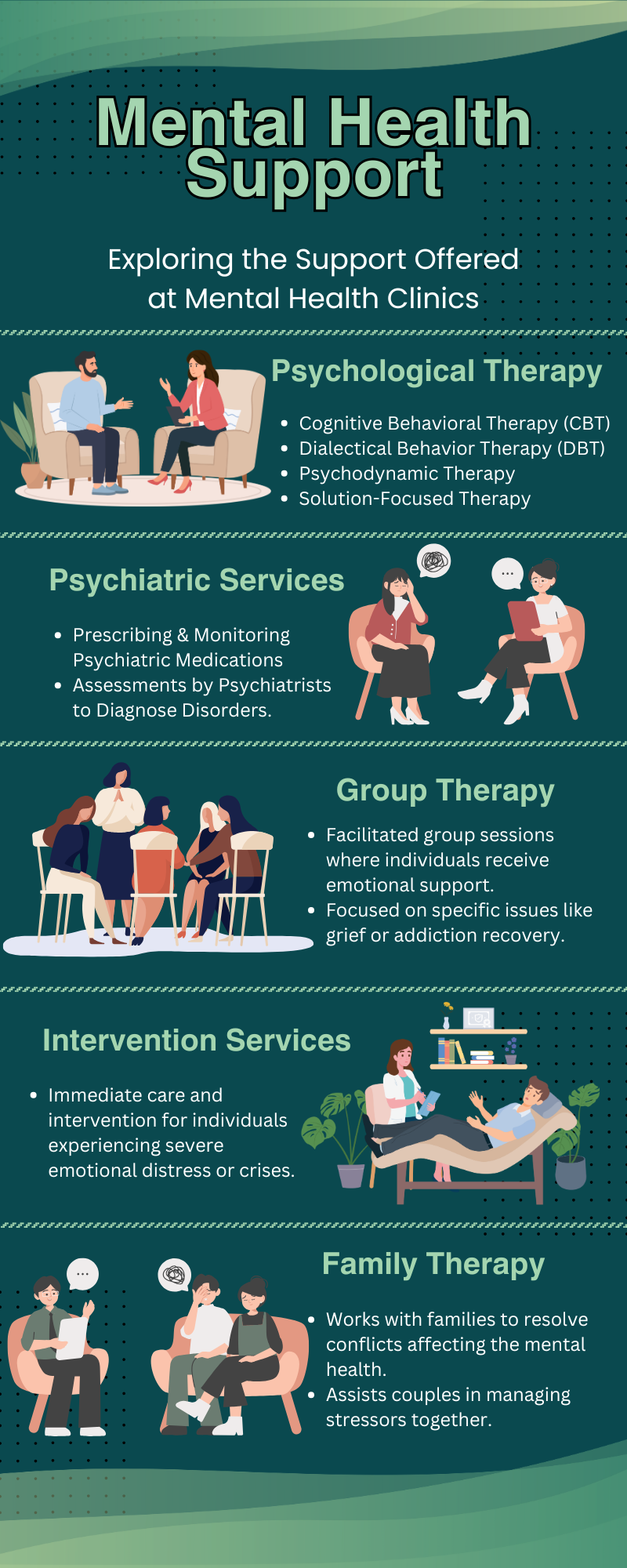
At Forrest Behavioral Health, we sit down with people who’ve been told to just calm down, breathe through it, and count to ten for years and who are tired of techniques that hold for a while and then don’t. We help sort out what’s anger on its own and what’s anger standing in for something else, and we treat whichever one is genuinely there.
You don’t need the full picture before you call. You don’t need to have already decided whether this is an anger problem or a mental health problem. You just need to notice that the alarm keeps going off and that you’re ready to stop guessing where the fire is.
Visit Forrest Behavioral Health today for a formal diagnosis. In the next 6-12 months, you will be grateful for making the right call at the right time!