

Why Do People Relapse? 10 Common Relapse Triggers and Prevention
Relapse doesn’t happen suddenly; it’s usually a gradual process. One day, stress feels a little heavier. The next, emotions become a bit overwhelming. The healthy routine that once kept you on track begins to slip, and before you know it, you go back to old patterns!
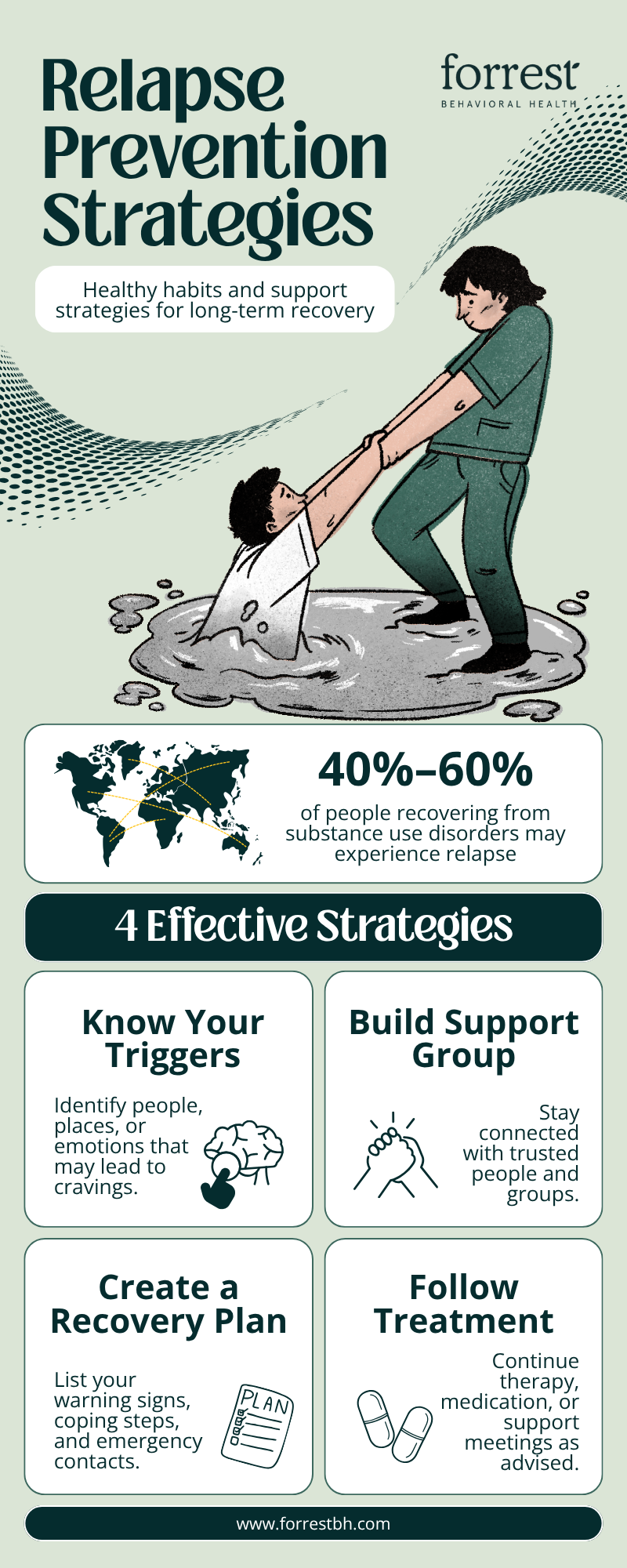
This is exactly why 40% to 60% of people relapse within 1 year of their recovery!
The good news is that relapse can be avoided. In this guide, we will take you through 10 of the most common relapse triggers and how you can prevent them.
Understanding Relapse Triggers
Whether you are newly sober or have been in recovery for a long time, it is important to know what leads to a relapse.
Here are 10 of the most common relapse triggers you should be aware of:
1. Stress
Stress is one of the most common relapse triggers. Studies show that 76% of all relapses happen due to stressful life events, including workplace issues, financial pressure, family responsibilities, or unexpected life events.
These events can feel overwhelming if you don’t have good ways to cope.
To manage stress, you can try:
- Exercising
- Deep breathing
- Journaling
- Talking with someone you trust
2. Difficult Emotions
Recovery doesn’t mean you stop feeling sadness, anger, anxiety, guilt, or loneliness altogether. For many people, these are the very emotions that led them to use alcohol or drugs in the first place!
If these feelings last longer than expected, you must learn healthier ways to deal with them, like:
- Therapy
- Practicing mindfulness
- Leaning on support groups
3. Being Around Alcohol or Drugs
Spending time around alcohol or drugs or being with people you used substances with can make you crave again, especially during early recovery days.
Try to stay away from such situations when you can. If you can’t avoid them, make a plan before you go:
- Bring a friend who supports you
- Have a way to leave on your own
- Don’t hesitate to leave if you feel uncomfortable
4. Social Pressure
Sometimes close friends or family may urge you to have just one drink or ask why you’re avoiding substances. It’s important to set healthy boundaries.
Practice saying no with confidence, and spend time with people who respect and support your recovery.
5. Isolation
Recovery is harder when you try to do it alone. Staying isolated can make you feel lonelier, sadder, and hopeless, which can lead to relapse.
It’s a good idea to always stay connected with supportive friends, family, therapists, or recovery groups. Sometimes, just talking to someone you trust can change your thoughts about going back to drugs.
6. Untreated Mental Health Conditions
According to a 2024 survey by SAMHSA, almost 21.2 million US adults have anxiety, depression, PTSD, or other mental health conditions alongside substance use disorders. If these conditions aren’t treated, they can increase the risk of relapse!
Getting treated for both addiction and mental health issues at the same time can lead to better long-term recovery.
7. Relationship Problems
Arguments, breakups, family conflicts, and rebuilding trust after addiction can cause a lot of emotional stress.
You can handle relationship problems better by:
- Healthy communication
- Setting boundaries
- Seeking family or individual therapy
This can help you avoid turning to alcohol or drugs.
8. Major Life Changes
Not every relapse trigger is bad. Positive changes like starting a new job, moving, getting married, graduating, or celebrating a big milestone can disrupt your routine and cause unexpected stress.
During these times of change, it’s important to keep up healthy habits and stay connected with your support system.
9. Overconfidence
As recovery progresses, it’s natural to feel more confident. However, believing you no longer need meetings, therapy, or other forms of support can increase your risk of relapse.
10. Neglecting Your Recovery Plan
Skipping therapy appointments, missing support group meetings, ignoring self-care, or avoiding honest conversations about your struggles can weaken your recovery.
If you notice these habits, don’t feel discouraged! Spotting the warning signs early lets you get back on track before a relapse happens.
How to Lower Your Risk of Relapse?
You can’t completely get rid of all triggers that may cause a relapse, but you can lower your risk.
Some healthy ways to protect your recovery include:
- Identify your personal relapse triggers
- Practice healthy coping skills every day
- Attend therapy or support group meetings regularly
- Stay connected with supportive family and friends
- Prioritize sleep, exercise, and balanced nutrition
- Ask for help as soon as you notice warning signs
Reaching out for support shows that you care about your recovery. It is not a sign of weakness.
Prevent Relapse Triggers with Forrest BH
At Forrest Behavioral Health, we focus on relapse prevention in every treatment plan. We help clients identify what triggers their relapse and create easy strategies to manage these triggers even after treatment ends.
Depending on your needs and progress, we offer:
- One-on-one therapy to determine personal triggers and learn healthier ways to cope
- Cognitive Behavioral Therapy (CBT) to spot and change unhealthy thoughts
- Dialectical Behavior Therapy (DBT) to help manage emotions and stress
- Group therapy to create support, accountability, and improve communication skills
- Dual-diagnosis treatment for people dealing with both addiction and mental health issues.
- Planning to prevent relapse and support recovery after treatment
We want to help you gain the confidence, skills, and support you need to stay in recovery and build a relapse-free future
Protect Your Recovery
Recovery isn’t about avoiding the challenges life throws at you; it’s about learning to respond to them better. By understanding your relapse triggers, building healthy coping skills, and reaching out for support when you need it, you can protect your recovery and reduce the risk of relapse.
If you or someone you love is struggling with addiction and finding it hard to stay on track, don’t wait; contact us today!
Let us make your recovery process comfortable and lasting!