
What Is California Sober? Does It Really Work?
Total sobriety sounds simple on paper. No drinking. No drugs. Full stop. However, say that out loud to someone standing at the edge of recovery, and “never again” doesn’t sound effortless. It sounds like a cliff.
So people go looking for a middle door. One that doesn’t ask for everything at once.
That’s where the phrase “California sober” comes in.
What Does It Mean to Be ‘California Sober’
California sober describes someone who’s stepped away from alcohol and harder substances. Think opioids, cocaine, and methamphetamine. They still use cannabis, though. At times, psychedelics as well.
The term isn’t clinical. It never was. It’s popular in recovery-adjacent circles as one alternative approach to sobriety. Remember that it isn’t a clinically recognized treatment protocol for substance use disorder. In fact, major addiction medicine organizations don’t recommend it for anyone with a diagnosed substance use disorder.
The phrase caught on through a 2019 essay. Michelle Lhooq wrote about quitting everything except cannabis and psychedelics for a year. Then it went mainstream. Singer and actress Demi Lovato popularized the term when talking about her own recovery, saying that she avoids addictive drugs other than “soft” drugs like marijuana and alcohol. It’s been in podcasts, interviews, group chats, everywhere, ever since. Usually framed as harm reduction. Rarely framed with a warning label.
The Appeal: Why People Reach for This Middle Ground
The appeal isn’t hard to understand. No one wakes up chasing an “in-between” just for fun. They’re chasing a version of recovery that doesn’t feel impossible.
Gives You A Sense of Control
It’s a lot to be told you can never touch a substance again for the rest of your life.
Recovery may seem more doable and realistic when there is some control over the situation. It gives people some autonomy over how they direct their own process. That matters to someone who has spent years feeling under the influence of a substance.
Provides a Gentler Entry Point
Instead of giving up everything at once, California sobriety can feel like a compromise or a first step.
It may seem like the only form of trying that doesn’t sound like surrender before you’ve even begun.
Where It Starts to Break Down
This is the part that is often overlooked. The same flexibility that makes this approach appealing is also what makes it fragile.
The Ambiguity Problem
Ask ten people what California sober means. You will probably get ten different answers. Eleven, maybe if someone changes their mind halfway through the sentence. That’s because the phrase is so flexible; what it means to one person can look totally different for another. No shared definition means no fixed line. And without a line, it’s easy to step past it without noticing.
The Relapse Risk
Unfortunately, chances are strong that you’ll look back one more time and decide to feel high again.
The numbers are blunt. Patients in treatment for cannabis use disorder with a co-occurring psychiatric condition relapsed at a rate of 53.3%. This was higher than almost any other substance use disorder group tracked.
Cannabis isn’t the “safe” substitute it gets marketed as. For people with a real history of addiction, it can just be a different door back to the same room.
Who California Sobriety May and May Not Apply To
This is the question that truly matters more than the definition. Not “Is this a real thing?” but “Is this a real thing for me?”
Who It May Fit
If alcohol is your main issue and you’ve never had a problem with cannabis, California sober can be a sustainable way to eventually kick the habit while using cannabis in a responsible way.
Furthermore, if you have a good support system outside of your relationship, a stable mental health history, and a history of catching your own warning signs early, then perhaps it’s possible to hold that line and not slide.
Even then, “may fit” isn’t the same as “is safe.” It just means the risk profile looks different.
Who It Probably Doesn’t Fit
Anyone with a history of cannabis use disorder should read that relapse number again. 53%. That’s not a footnote. That’s the headline. Managing a co-occurring mental health condition, especially something like psychosis, is a higher-stakes game. One study of first-episode psychosis found that 51% of substance users relapsed within 15 months, compared with only 17% of non-users. That’s not a small gap. That’s a different outcome entirely.
Add to that list anyone whose substance use has already touched multiple substances, those under a doctor’s care for a psychiatric diagnosis, and people who are still early in their recovery. For these groups, “California sober” isn’t a gentler path. It’s a riskier one wearing a softer name.
Signs the Approach Isn’t Working
Watch for these patterns:
- Using more cannabis, or using it more often, than you meant to
- Struggling to relax, socialize, or sleep without it
- Staying vague about how much you’re actually using, even with yourself
- Noticing that “soft” use has quietly become a stand-in for the thing you gave up
None of these mean something is wrong with you. They mean it’s worth a closer look.
How Forrest Behavioral Health Approaches This
We don’t walk into these conversations trying to talk anyone out of harm reduction. The instinct behind California sober, wanting recovery that doesn’t feel like an ultimatum, makes sense. At Forrest Behavioral Health, we help you find out whether that path is working for your specific history or quietly working against it.
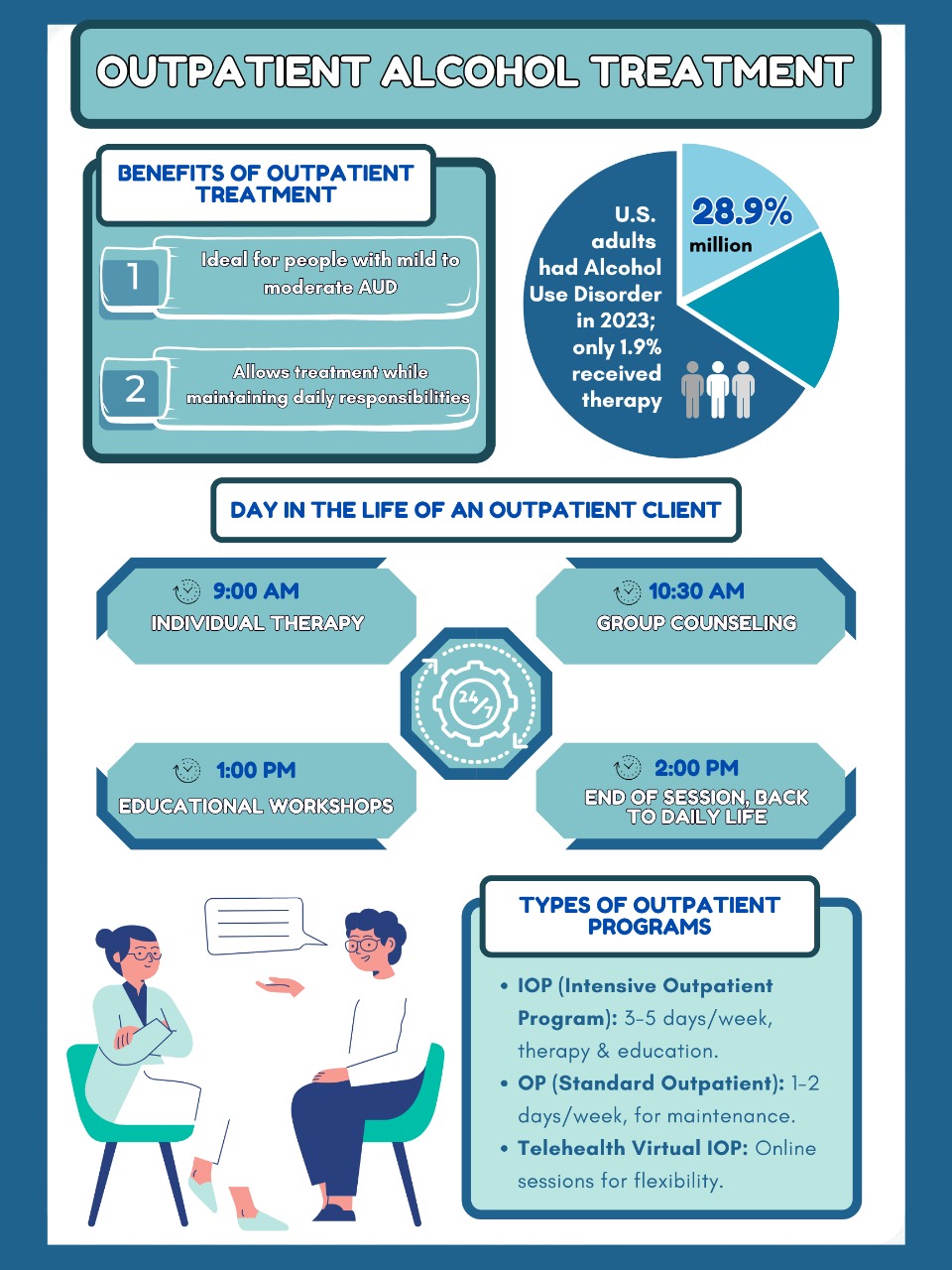
That starts with real assessment. Not a lecture. We look at your relationship with every substance, not just the one you’ve already given up. For some people, structured outpatient support and cognitive behavioral therapy are enough to make a lighter approach genuinely sustainable.
For others, especially those with a longer history of use, we’re direct: a “soft” substance may not be mild for them. We build toward full abstinence instead. Group and peer support often round out the plan, because staying steady in recovery rarely happens alone.
Dialectical behavior therapy and motivational enhancement therapy are also used by our clinicians to ensure long-term recovery and empowerment.
Final Words
There’s no shame in wanting a version of recovery that doesn’t feel like losing everything at once. That instinct is human. It deserves to be taken seriously, not brushed off. Nevertheless, the goal was never the label. It was getting your life back. If the middle ground you’ve found is actually holding that up, honor it. If it’s quietly becoming another way to avoid the harder conversation, notice that too. Yes, before the pattern gets to decide for you instead!