

Cocaine and Alcohol: Why The Combination Is So Dangerous?
You must have seen people using cocaine and alcohol together, stating it makes each drug less dangerous. Some believe cocaine helps them sober up after drinking, while others think alcohol can take the edge off cocaine’s effects.
In reality, the opposite is true.
Mixing cocaine and alcohol can be more dangerous than using them alone. Not only does this combination put extra strain on your heart, brain, and liver, but it increases the risk of sudden death by 18 to 25 times! In addition, it also creates a toxic substance in the body that increases the risk of serious health complications.
Understanding why this combination is so harmful can help you recognize the risks and know when it’s time to seek help.
What Happens When You Mix Cocaine and Alcohol?
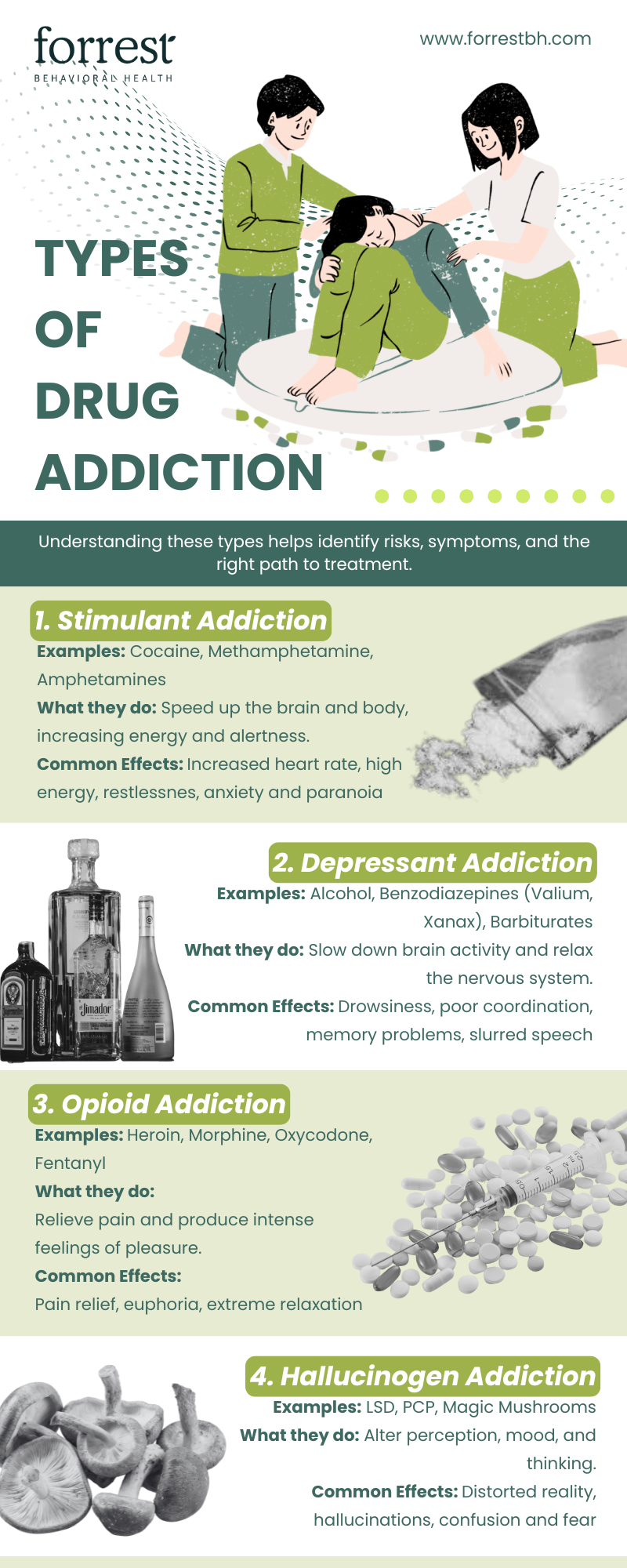
Cocaine is a strong stimulant that speeds up your central nervous system. It increases your energy, confidence, alertness, heart rate, and blood pressure.
Alcohol is a depressant. It slows down brain activity and affects your judgment, coordination, and reaction time.
Many people think that cocaine and alcohol balance each other out. However, this isn’t true!
Instead of canceling each other out, they interact in ways that can make their harmful effects worse.
One major risk is that cocaine can hide how drunk someone feels. This may lead a person to feel more awake or alert than they really are, causing them to drink much more than they usually would. This can increase the risk of alcohol poisoning, overdose, and other serious problems.
Cocaethylene: The Hidden Danger
One of the biggest reasons mixing cocaine and alcohol is so dangerous is that the body creates a chemical called cocaethylene.
Cocaethylene forms when cocaine and alcohol are used at the same time. Unlike cocaine alone, this substance stays in the body longer and is even more toxic.
Research shows that cocaethylene puts extra strain on the heart and liver. It also raises the risk of serious health issues, such as heart attacks, strokes, and sudden cardiac death.
Many people are unaware that mixing these substances creates an entirely new chemical in the body, making the combination far more dangerous than either drug on its own!
Short-Term Risks of Mixing Cocaine and Alcohol
Using cocaine and alcohol together can affect nearly every organ in the body. Some of the most serious short-term risks include:
- Increased heart rate and dangerously high blood pressure
- Irregular heartbeat
- Heart attack
- Stroke
- Seizures
- Alcohol poisoning
- Overdose
- Poor judgment and risky decision-making
- Aggressive or impulsive behavior
- Accidents and injuries
These risks can occur even if someone has mixed cocaine and alcohol before without experiencing any complications.
Long-Term Effects of Mixing Cocaine and Alcohol
Repeatedly combining cocaine and alcohol can have lasting effects on both physical and mental health.
Over time, mixing both substances can increase the risk of:
- Heart disease and cardiovascular damage
- Liver damage
- Memory and concentration problems
- Anxiety and depression
- Increased tolerance and dependence
- Substance use disorder involving one or both substances
- Problems at work, school, or home
- Relationship issues and money problems
People often mix cocaine and alcohol in social gatherings. What they don’t realize is that how quickly occasional use can turn into a habit that’s hard to break!
Why Do People Mix Cocaine and Alcohol?
People combine cocaine and alcohol for different reasons. They believe:
- Cocaine helps them stay awake
- They can continue drinking longer
- Alcohol reduces feelings of anxiety or restlessness caused by cocaine
This combination is also common at parties, bars, clubs, and other social events where both substances may be available.
Mixing cocaine and alcohol may seem harmless at first, but it does not make either drug safer. In fact, it puts more strain on your body and makes it harder to notice when you’re drunk or in danger of an overdose.
Signs It May Be Time to Seek Help
It can be hard to know when using drugs for fun has become a serious problem. Look for signs that suggest it may be time to get professional help.
These signs include:
- Frequently using cocaine and alcohol together
- Being unable to stop using either substance
- Having cravings between uses
- Needing larger amounts to feel the same effects
- Neglecting work, school, or family responsibilities
- Continuing to use despite health, legal, or relationship problems
- Experiencing withdrawal symptoms when trying to quit
If you recognize these signs in yourself or someone you care about, seeking help early can prevent the problem from getting out of hand.
How Forrest Behavioral Health Can Help?
For someone trying to recover from cocaine and alcohol addiction, stopping use is not usually the answer. Most of the time, professional treatment becomes necessary to focus on both the physical and emotional recovery.
At Forrest Behavioral Health, we understand this! That’s why we create personalized treatment plans designed to help clients with physical as well as emotional sobriety.
Our treatment plan usually includes:
- Medical detox to safely manage withdrawal symptoms
- Individual therapy to understand the underlying causes of substance use
- Group therapy to build support and accountability
- Dual diagnosis treatment for mental health and SUD
- Relapse prevention to prepare for life after treatment
Our goal is not only to help clients quit using substances, but to learn skills to handle overwhelming situations calmly. We work on building their confidence and establishing a strong support network to stay on track in the long run.
Choose Hope: Your Recovery Starts Here
Mixing cocaine and alcohol may seem common in casual gatherings, but it is dangerous. This combination raises the risk of overdose, heart problems, stroke, and other serious health issues.
If you or someone you care about is struggling with cocaine, alcohol, or both, it’s time to let the professionals handle it! At Forrest Behavioral Health, we offer caring, research-based treatment that helps people overcome addiction and lead healthier, substance-free lives.
Contact us today to learn more about our treatment programs and start your recovery journey!