

Sleep, Mood, and Mental Health: The Triangle Billerica Residents Are Overlooking
There is a place in the North Atlantic Ocean where ships and planes have vanished without clear explanation. The Bermuda Triangle. For decades, the mystery wasn’t just what happened there; it was that the three points of that triangle seemed unrelated. Water. Geography. Coordinates on a map. Nothing about them, looked at individually, suggested danger. The danger was in the convergence.
Sleep, mood, and mental health form their own version of that triangle. And people in Billerica are disappearing into it every day. Not dramatically, not all at once, but quietly. One restless night at a time. One irritable morning. One afternoon where everything feels heavier than it should. They don’t vanish. They just become harder to recognize, even to themselves.
The Triangle Is Not Three Separate Things
Most people approach sleep, mood, and mental health as three distinct problems sitting in three separate rooms. They download a sleep app. They try to think more positively. They wonder, privately, whether something is wrong with them and then push the thought aside. They never realize that there is no wall between those rooms. There never was.
Sleep and mood go hand in hand, and when sleep is less than ideal, mental health falls with it, and when mental health begins to decline, sleep comes along for the ride. It’s like this triangle thing, each corner feeding the other. So, if you only pay attention to one thing and ignore everything else, it’s kind of like altering one thing in a recipe and expecting a different meal.
The Impact of Sleep Deprivation on the Brain
Another version of this section is like a neuroscience lecture. This isn’t that version.
If you don’t get enough sleep, your brain’s alarm system (the amygdala) won’t get the messages to stand down. This part is tasked with sensing emotional threats and triggering the stress response. The other (the prefrontal cortex) is supposed to hold back all that noise, keep the person composed, and help them think through things in a steadier, logical way. When sleep gets cut short, the link to the prefrontal cortex starts getting weaker.
At the behavioral level, it is seen as getting angry at a loved one over a minor issue and not knowing why. It appears like a work e-mail that is really hostile when it is not. Or going to bed at night, and the thoughts that you could handle in the middle of the day are gigantic at midnight.
Sleep also helps regulate neurotransmitters that matter for mood, like serotonin, dopamine, and norepinephrine. With chronic insomnia, this neurochemical balance gets messed up, and then depression, anxiety, and a few other mood issues can show up too.
The brain is not failing when this happens. It is trying to protect you with the resources available to it. It just doesn’t have enough.
The Cycle That Feels Impossible to Name
This is the key element, not necessarily the most scientific but the most real to what is happening in Billerica.
Lack of sleep makes it more difficult to distinguish between safe and threatening situations, resulting in heightened hypervigilance. Short-term sleep loss has been demonstrated to increase anticipatory anxiety when the brain’s fear center becomes hyperactive. This can lead to a vicious cycle over time. Fatigue causes anxiety, and anxiety causes more fatigue, and so on. Poor sleep makes it harder to regulate emotions. The emotional distress makes it harder to sleep. The cycle goes on and on, and it can take a toll on mental health.
People rarely come to that conclusion by themselves because the cycle is set up to hide itself. Exhaustion narrows the lens. As you become more exhausted, it becomes more difficult to see past the present.
The larger reality of the interconnections, the existence of a name for all of this, and the presence of help remain just beyond reach.
Why “Just Sleep More” Doesn’t Work
Nearly everyone in this situation has heard, at one time or another, some form of this advice. Go to bed earlier. Put the phone down. Try melatonin. Get some exercise in the morning. No caffeine after 12:00 pm.
These are not bad ideas. If you have a slightly disturbed sleep pattern and don’t have any issues with your mental health, they can actually help you. For people who have developed a pattern of sleep and anxiety or depression, though, behavioral remedies are usually not enough. Memory lapses and attentional deficits mediate the relationship between insomnia and emotional disorders. Often, the brain most in need of sleep is the brain least capable of getting sleep on its own.
Sleep deprivation also weakens self-efficacy, which is a sense of confidence and motivation to confront challenges in daily life, thereby reinforcing the detrimental cycle of worsened mental health leading to sleep disturbance and further decreased mental well-being.
Instructing someone in that loop to just go to sleep is akin to telling someone with a broken leg to just walk it off. The intent is right. The teaching fails to address what is really happening.
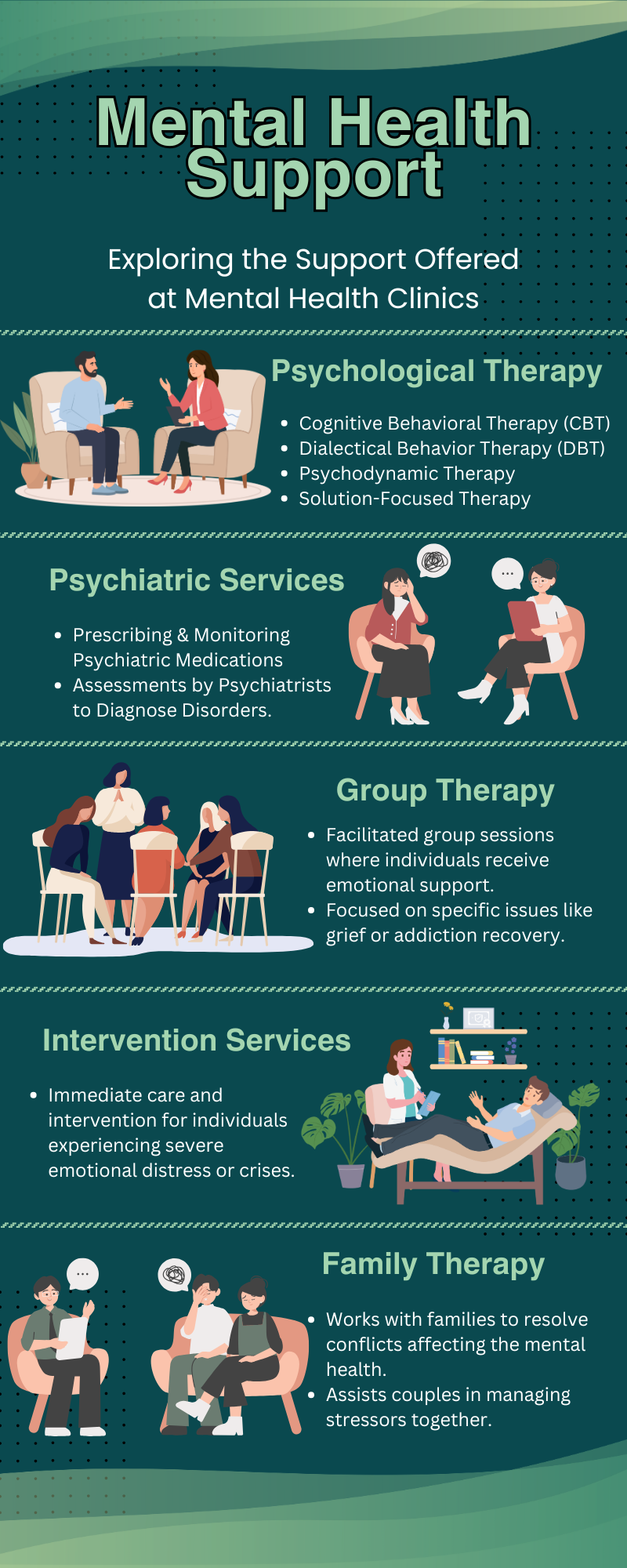
What Getting Help Looks Like At Forrest Behavioral Health Billerica
People envision seeking assistance as cold waiting rooms, daunting paperwork, and a diagnosis that comes with a handshake across a desk. This version will stop many from ever calling.
In reality, it’s quite the opposite. It’s more humane than that. At times, the support for the triangle involves sitting down with a person and articulating, for the first time, that you are not sleeping and you do not know why. That it’s more difficult to do things as it was before, and you can’t tell whether it is a sleep problem that’s causing the mood or vice versa. It’s that candid talk that starts changing things.
At Forrest Behavioral Health, we work with people who are tired. Tired in the physical sense, yes, but also tired in the way that goes deeper than rest. People who have been carrying something without a name for it. People who are not sure whether what they’re experiencing rises to the level of needing help, which is almost always a sign that it does.
It’s not necessary to have it sorted out before you call. The triangle doesn’t require a complete picture before someone is allowed to ask for help with it. All it takes is a spirit to say, “Something is wrong, and I don’t want to go through it by myself.”
That is enough. That’s just enough to get you going.