

How to Start Mental Health Treatment in Illinois Without a Referral
Starting mental health treatment in Illinois can feel confusing at first. You know something is off, you want help, but then one question keeps popping up: do you need a doctor to point the way? The good news is that many people can start mental health treatment in Illinois without a referral, and the path is often simpler than it looks.
Think about someone who has been putting it off for weeks. Sleep is a mess. Stress is running the show. They want therapy, yet they keep waiting because they assume there is red tape around every corner. In many cases, there is not. You can often book care directly, check your insurance, and get support without jumping through hoops.
Can You Start Mental Health Treatment in Illinois Without a Referral?
Yes, many people can start mental health treatment in Illinois without a referral. That is true for many therapists, counselors, psychiatrists, and online platforms. Still, the exact path can change based on the type of provider you choose and the details of your insurance plan.
That is why it helps to think of this process like taking the first exit off a busy highway. You do not need to know every road right away. You just need the right first turn. For many people, that first turn is direct booking, telehealth, or a quick insurance check.
Direct Booking & Telehealth
Direct booking is often the fastest option. If you want help now, this route can save time and lower stress. Instead of waiting to see a primary care doctor first, you can often contact a provider and ask for an intake appointment.
Telehealth mental health treatment in Illinois also makes things easier for people with busy schedules, no car, child care needs, or simple nerves about walking into a new office. Sometimes the hardest part is getting started. A virtual visit can make that first step feel lighter.
Find a Therapist or Psychiatric Provider in Illinois Without a Referral
If you are looking for how to get therapy in Illinois without a referral, start with trusted online directories. Search by city, insurance, specialty, age group, and concerns like anxiety, depression, trauma, substance use, or dual diagnosis.
Read provider bios carefully. A short profile can tell you a lot. Some focus on talk therapy. Some provide medication support. Some do both. If you are looking for a psychiatrist in Illinois without a referral, check whether the provider handles evaluations, medication visits, and follow-up care.
Use Telehealth to Start Mental Health Treatment in Illinois Faster
Telehealth can shorten the wait. Many platforms let you book online, fill out forms from home, and meet with a licensed provider in days instead of weeks.
That matters when life already feels heavy. If leaving the house feels like climbing a hill with a backpack full of bricks, online care can help you get moving. It is still real care. It is just delivered through a screen.
Questions to Ask Before You Book
Before you schedule, ask a few simple questions:
- Are you accepting new patients?
- Do you offer therapy, psychiatry, or both?
- Do you take my insurance?
- How soon is the first appointment?
- Do you offer virtual and in-person sessions?
A two-minute phone call can save a lot of guesswork later.
Check Your Insurance
Insurance can shape your next step. It affects who you can see, how much you may pay, and sometimes whether approval is needed for certain services.
Still, do not let insurance language scare you off. It can sound bigger than it is. In many cases, a quick review of your benefits can tell you if you can start mental health treatment in Illinois without a referral and what your costs may look like.
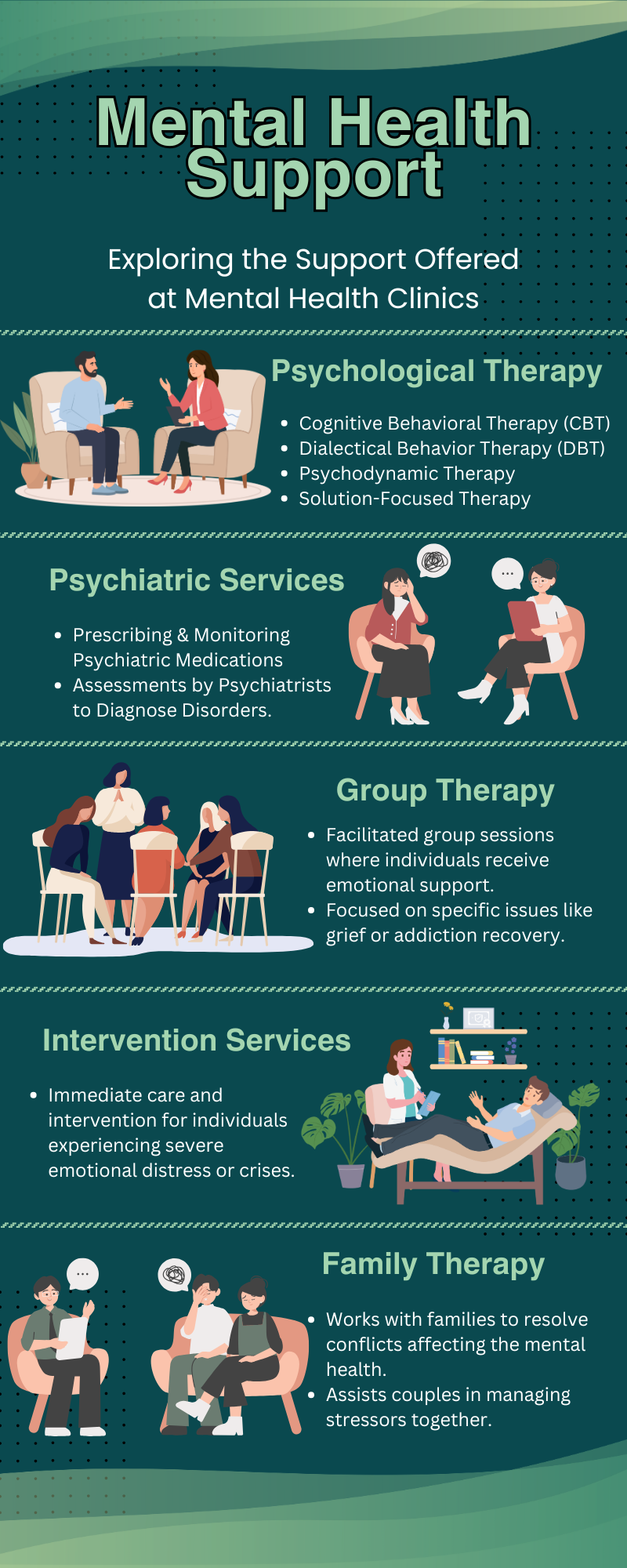
Use Your Insurance Portal to Find Mental Health Treatment in Illinois
Log in to your insurance portal and look for “mental health” or “behavioral health.” Most plans have a provider search tool that lets you filter by location, specialty, and telehealth.
Look for in-network therapists, psychologists, psychiatrists, and licensed clinical social workers. If you want faster access, search both your local area and virtual care options.
Verify Therapy, Psychiatry, and Behavioral Health Benefits
Check the details before you book. Look at copays, deductibles, session limits, medication visits, and out-of-network rules.
Some plans do not ask for a referral, but they may still ask for prior approval for certain services. That is why it helps to slow down for five minutes now, rather than deal with a billing surprise later.
What to Ask the Insurance Company
Use this short checklist when you call:
Question | Why It Matters |
Do I need preauthorization? | It helps you avoid delays. |
Is telehealth covered? | You may have more provider options. |
What is my out-of-pocket cost? | You can plan for copays or deductibles. |
What happens if I go out of network? | This affects total cost. |
Keep the call simple. Write the answers down. Then move to booking.
Local & Community Resources
Sometimes private care is not the best fit right away. Cost, long wait times, and transportation can all get in the way. That is where community mental health services in Illinois can make a real difference.
These services can be a lifeline. They often help people who need low-cost care, support with daily stability, medication help, or guidance through a system that can feel hard to read at first glance.
Community Mental Health Centers in Illinois
Community Mental Health Centers, often called CMHCs, can provide therapy, case support, medication services, and sliding-fee care. They are often a strong choice for people who want lower-cost treatment or need a more local option.
You can use the SAMHSA treatment locator to search for centers near you. This is a practical way to find community mental health services in Illinois when you do not know where to begin.
Cook County Support and NAMI Chicago
If you live in Cook County, local programs may give you more options. NAMI Chicago can help people understand services, sort through choices, and find the right next step.
That kind of guidance matters. When your mind is already tired, even small decisions can feel big. NAMI Chicago’s helpline, 833-626-4244, can be a helpful starting point for support and navigation.
State of Illinois Mental Health Help
The Illinois Department of Human Services can also help connect people with local, state-funded support. You can call 833-234-6343 or text “HELP” to 833234.
This can be useful if you are uninsured, short on money, or unsure which level of care fits your needs. Sometimes the right move is not finding the perfect provider on day one. It is finding a steady starting point.
Immediate Crisis & Support Options
Some situations cannot wait. If you feel unsafe, overwhelmed, or close to a breaking point, use a crisis resource right away. You do not need a referral for urgent support.
These services are there for real-life moments, not just worst-case moments. If things feel like they are spinning, reach out early. That is a sign of strength, not weakness.
- Call or text 988 if you are in emotional distress, having suicidal thoughts, or facing an urgent mental health crisis. It is available 24/7.
- Text HOME or HELLO to 741741 for crisis support by text. This can be a good fit if talking out loud feels too hard in the moment.
- Call 1-800-662-HELP (4357) for treatment referrals and mental health or substance use information. It can help point you toward care options.
What to Expect When You Start Mental Health Treatment in Illinois
The first appointment is usually a conversation, not a test. You may be asked about symptoms, stress, sleep, mood, past treatment, medications, substance use, and what you want help with now.
You do not need the perfect words. That part trips people up all the time. You can say, “I have not felt like myself,” or “I am not doing well lately,” and that is enough to begin. From there, the provider can help map out the next steps.
Common Barriers to Mental Health Treatment in Illinois and How to Get Past Them
The biggest roadblocks are often cost, wait times, and not knowing where to begin. Those are real problems, but they do not have to stop the process.
If cost is the issue, look at sliding-scale clinics and community programs. If wait times are long, try telehealth mental health treatment in Illinois. If you feel stuck, call your insurance plan, NAMI Chicago, or a state support line. One call can open the door.
Taking the First Step Toward Mental Health Treatment
Starting care does not have to be perfect. It just has to begin. Many people can start mental health treatment in Illinois without a referral by booking directly, checking insurance, using telehealth, or reaching out to local support services.
Forrest Behavioral Health believes good mental health information should feel clear, calm, and useful. If you are sorting through treatment options, levels of care, or insurance questions, the right support can make that first step feel much less heavy.