Why Recovery Is Harder With a Dual Diagnosis & What It Means for Treatment in Middlesex County
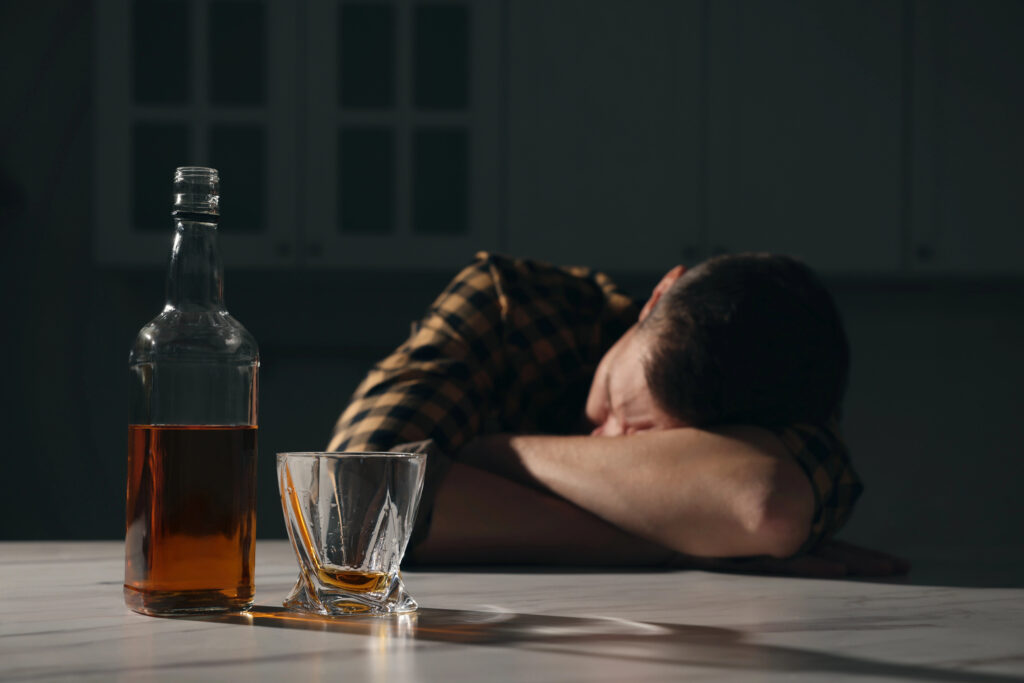
It’s incredibly easy to get weighed down by the exhausting grind of everyday life. Juggling a demanding job, school, family, and money worries leaves many of us desperate for a quick escape. What starts as an evening drink or a prescription pill to cope can quietly warp into a real dependency. All the while, heavy emotional pain like anxiety, depression, or old trauma just keeps building up quietly in the background.
That is why today’s generation is seeking dual diagnosis treatment in Middlesex County and often gets stuck in a vicious cycle where mental health issues and addiction reinforce each other. The real danger is how both issues feed into each other. Turning to alcohol or pills to numb emotional pain might bring short-term relief, but over time, it only deepens mental health struggles, creating a cycle that’s hard to break.
Trying to treat one while ignoring the other rarely works. True recovery happens when both are addressed together, not as separate problems, but as connected parts of the same person and the same healing process.
At Forest Behavioral Health, we know how overwhelming it feels when you’re dealing with both at once. Our team at Forrest Behavioral Health designs custom treatment plans that actually dig beneath the surface to find out why you are hurting.
In this blog, we’ll get into why healing feels like such an uphill battle when you’re dealing with both at once and what real, effective help actually looks like.
What Does It Mean to Have a Dual Diagnosis?
When someone is dealing with a mental health condition and a substance use issue at the same time, that is what doctors call a dual diagnosis. It basically means you are fighting two distinct battles at once, and they constantly feed into each other. In Middlesex County, many individuals seeking dual diagnosis treatment services are facing this exact challenge.
Common Co-Occurring Conditions
Some of the most common mental health conditions that show up alongside substance use are
- Depression
- Anxiety disorders
- PTSD
- Bipolar disorder
- ADHD
- Personality disorders.
In Middlesex County, more and more people are waking up to the fact that mental health and addiction can’t be treated as separate problems. Most of the time, it’s nearly impossible to figure out which one showed up first, but over time, the two become so tangled together that managing either one alone becomes a losing battle.

That’s exactly why dual diagnosis treatment programs in Middlesex County go after both at the same time, giving people a real shot at getting their lives back for good.
Can Ignoring Mental Health Push Someone Back Into Addiction?
In many cases, yes. When the mental health side of things isn’t being dealt with, recovery becomes a much steeper climb. That’s why dual diagnosis treatment in Middlesex County is so important. Anxiety pushes cravings. Depression kills motivation. PTSD can spike your emotional distress out of nowhere, and wild mood swings constantly drive impulsive choices.
Someone may be clean for weeks and seem fine on the outside, but still struggle with panic, trauma, or deep sadness. Without support, substances can start to feel like the only escape.
Treating just the addiction rarely works. True healing happens when both the addiction and underlying mental health struggles are addressed together in dual diagnosis treatment in Middlesex County programs. That’s what helps people understand their triggers, cope better, and actually stay on track long term.
Why Is Recovery Harder When You Have Both Mental Health and Substance Use Disorders?
Most people assume that addiction is the whole problem and that everything gets easier once you just stop using. But in dual diagnosis treatment in Middlesex County, it’s clear that recovery is often much more complex than that. Heavy mental health struggles like anxiety, depression, PTSD, or bipolar disorder are often the exact things driving someone to use substances in the first place.
Someone can’t quiet their mind at night, so they reach for a drink. Another person carries a hollow emptiness inside, and drugs become the only escape. Either way, what starts as just getting by slowly turns into something they can’t live without.
The Two Conditions Often Feed Each Other
The real problem is that mental health struggles and addiction don’t just sit side by side; they actually make each other worse:
- Emotional distress triggers the urge to use.
- Using substances makes your mental health even worse.
- Those heavier symptoms drive an even stronger craving to escape.
- A slip-up or relapse becomes almost inevitable.
Recovery Requires More Than Sobriety
Staying sober is a huge achievement, but it does not magically wipe away deep-seated trauma, constant anxiety, mood swings, or heavy emotional pain. If those struggles are left ignored, trying to stay on track can feel completely exhausting.
That’s exactly why dual diagnosis treatment programs in Middlesex County go after both problems together, at the same time, rather than treating one and hoping the other sorts itself out.
What Makes Dual Diagnosis Treatment More Effective?
One of the biggest shifts in healthcare has been understanding that addiction and mental health cannot be treated as separate issues. In Dual Diagnosis Treatment Middlesex County, both conditions are addressed together because they are often deeply interconnected and influence each other in powerful ways.
Integrated Care Addresses the Whole Person
Real, effective dual diagnosis care usually comes down to a few key pieces:
Individual Therapy
Sitting one-on-one with a counselor gives people the space to dig into what’s really going on beneath the surface and figure out a path forward that actually fits their lives.
Psychiatric Support
When it makes sense, having a professional carefully manage medications can be a key part of dual diagnosis treatment in Middlesex County. Finding the right balance helps ease mental health symptoms, quiets internal distress, and makes it easier to stay focused on the recovery journey.
Group Therapy
Talking to people who’ve actually been through the same thing makes you feel a lot less alone, and sometimes that’s exactly the push someone needs to keep going.
Family Involvement
Families need their own backing, too. In Dual Diagnosis Treatment Middlesex County, involving loved ones through education and guidance helps them better understand recovery, improve communication, and create a stronger, more supportive home environment for long-term healing.
Long-Term Recovery Planning Matters
Getting through treatment is a big step, but it’s not the finish line.
Good programs make sure people walk out with a real plan that covers the following:
- Keeping up with therapy
- Staying on top of any medications
- Leaning on the people around them
- Knowing what to do if things get shaky
- Making everyday lifestyle changes that actually stick
Having that kind of support waiting on the other side makes a world of difference in the long run.
Final words
Dealing with addiction and mental health struggles at the same time is genuinely hard because the two constantly make each other worse. The only way to truly heal is to tackle both together, rather than one at a time. This is exactly why Dual Diagnosis Treatment of Middlesex County is so important, focusing on both conditions together to create a more complete and lasting path to healing.
At Forrest Behavioural Health, we build treatment plans around the actual person, digging into the root causes behind both the substance use and the mental health side of things. Our goal is simple: help people walk away with the tools, the support, and the confidence to stay on track for good.
If you or someone you care about is struggling, reach out to Forest Behavioral Health today and take that first step toward a better, healthier life.
Read Next: Beyond “Trying Harder”: Adult ADHD Treatment in Massachusetts