

Safety Check
Most providers will also ask about substance use, thoughts of self-harm, or safety concerns. That can feel scary to hear, but it is a normal part of mental health care.
These questions are asked to protect you, not to judge you. If safety is a concern, the provider can respond more quickly and guide the next step with care.
Diagnosis & Treatment Planning After a Same-Week Appointment
By the end of the visit, the provider will usually share early impressions and talk through what comes next. Some people receive a preliminary diagnosis at that point. Others may need more time, more visits, or more information before anything is labeled clearly.
This part of the visit turns the conversation into action. The provider may suggest talk therapy, medication, follow-up visits, coping tools, sleep support, or a referral for a different level of care. You do not need every answer in one sitting. The goal is to leave with direction, not perfection.
Preliminary Diagnosis
A preliminary diagnosis is an early clinical impression based on the information shared during the appointment. It is a starting point, not a final stamp.
Sometimes that early impression is enough to guide care right away. Other times, the provider may want to see how symptoms unfold over time before making the picture more precise.
Action Plan
Your first treatment plan may include:
- Weekly therapy
- Psychiatry follow-up
- Medication discussion
- Coping strategies for stress or panic
- Sleep support
- More assessment if symptoms are complex
 For a closer look at the next step after that first call, read our latest blog, “How to Start Mental Health Treatment in Illinois Without a Referral.”
Psychiatrist vs. Therapist
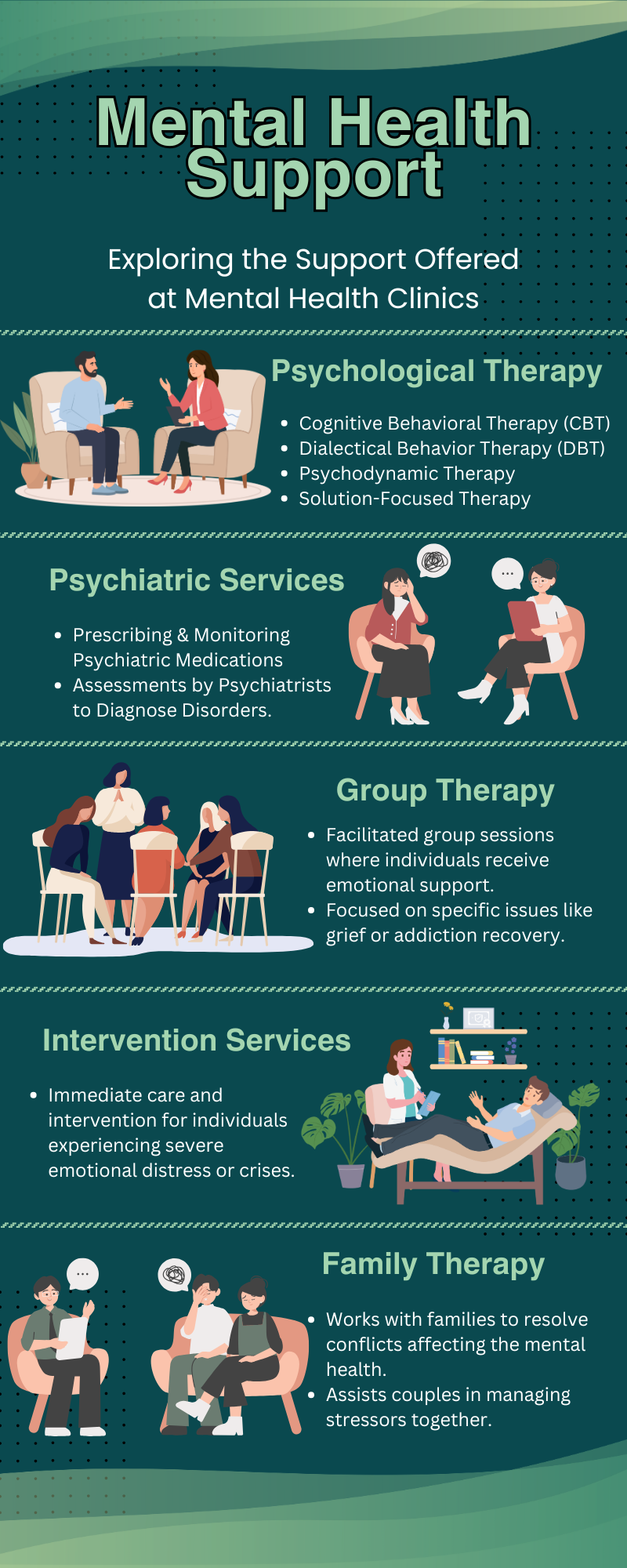
A psychiatrist usually focuses more on diagnosis, medication, and medical monitoring. A therapist or psychologist often focuses more on active listening, emotional patterns, coping tools, and therapy goals.
Some people work with both, and that can be a strong mix. One provider may help manage symptoms medically, while the other helps build practical change over time.
How to Prepare for Same-Week Mental Health Appointments in Illinois
A little preparation can make the appointment feel less overwhelming. You do not need a speech, and you do not need to write your life story. A few notes can go a long way.
Try to think of it like packing for a short trip. You do not bring the whole house. You just bring what you may need most. The same idea works here. A short list, a few questions, and some honesty are usually enough.
Bring a List
Write down:
- Current medications
- Past psychiatric medications
- Allergies
- Major medical conditions
- Questions you want to ask
Note Your Goals
A simple goal list can help more than people expect. You might write:
- I want to sleep better.
- I want fewer panic attacks.
- I want help with depression.
- I need support after a hard life event.
Be Honest
You do not have to sound polished. In fact, it is better if you do not. Honest details help the provider understand what support may fit best.
If all you can say is, “I have not felt like myself lately,” that is still a solid place to start. People begin there every day.
Real World Example
A real example comes from Providence Regional Medical Center in Everett, Washington, where a Behavioral Health Urgent Care clinic opened in November 2019 for people who needed same-day mental health care instead of waiting or going straight to the emergency department.
In its first year, the clinic served 1,688 patients, and people were seen in about 23 minutes on average after arrival. Nearly 40% of surveyed patients said they would have gone to the emergency department if the clinic had not existed.
The clinic also reported an 11% drop in avoidable behavioral health emergency visits after opening. It shows why quick access matters so much.
FAQs
How Long Do Same-Week Mental Health Appointments in Illinois Usually Last?
Most first visits last about 45 to 90 minutes. The exact length depends on whether the appointment is therapy-based, psychiatric, or part of a larger intake process.
Will I Get a Diagnosis at My First Mental Health Appointment?
Sometimes, yes. Sometimes, no. A provider may give a preliminary diagnosis during the first visit, or they may wait until they gather more information.
Can I Get Medication at a Same-Week Psychiatry Appointment in Illinois?
Possibly. It depends on the provider’s role, the evaluation, your history, and clinical judgment. Medication is not automatic, but it may be discussed if it seems helpful.
Do I Need to Prepare Anything Before My First Appointment?
Yes. Bring your ID, insurance details, medication list, symptom notes, and a short list of treatment goals or questions. That makes the visit smoother and keeps key details from slipping through the cracks.
Taking the Stress Out of Your First Appointment
Same-week mental health appointments in Illinois: what to expect really comes down to this: the first visit is usually a conversation built to understand you, not judge you. It is there to gather facts, hear your story, and point toward a realistic next step.
At Forrest Behavioral Health, we believe good mental health guidance should feel clear, steady, and human. If you are sorting through care options, levels of support, or questions about getting started, learning what the first appointment looks like can make that first move feel far less intimidating.