

OCD Treatment Massachusetts: Answers to Common Questions
Have you ever felt stuck in a cycle of unwanted thoughts or repetitive behaviors that are difficult to stop, even when you know they don’t make sense?
For people living with Obsessive-Compulsive Disorder (OCD), these experiences can be a daily struggle! OCD is more than simply liking things neat or organized. It can cause persistent thoughts, fears, or urges that create anxiety and make everyday life feel overwhelming.
Over time, these thoughts may lead to repetitive actions or rituals that can be stressful, time-consuming, and difficult to control.
However, OCD is highly treatable. You only need to know where to get effective treatment, and you can easily manage your symptoms, reduce anxiety, and regain confidence in your daily life.
If you are looking for OCD treatment Massachusetts, here are some common questions and their answers to help you better understand the condition and the treatment options available.
What Is OCD?
OCD stands for Obsessive-Compulsive Disorder. It is the fourth most common mental disorder in the world, which affects 3% of the entire world population.
It typically involves two main parts:
1. Obsessions
Obsessions are unwanted thoughts, fears, or worries that keep coming back, even when a person does not want them to. These thoughts can be upsetting and often cause anxiety, stress, or discomfort.
2. Compulsions
Compulsions are repetitive actions or habits that a person feels they need to do to relieve anxiety or make themselves feel safer. These behaviors may provide temporary relief, but the anxiety often returns, causing the cycle to continue.
What Are the Common Signs of OCD?
OCD affects everyone differently. For some people, the symptoms are easy to notice, while for others, the struggle happens mostly in their thoughts and may not be obvious to the people around them.
Some common signs of OCD include:
- Checking things like locks, doors, or appliances over and over again
- Cleaning or washing hands more often than necessary
- Constant worry about germs, contamination, or getting sick
- Feeling a strong need for things to be organized, balanced, or done a certain way
- Experiencing unwanted thoughts that are difficult to stop
- Repeating actions or words
- Frequently asking others for reassurance or confirmation
Not everyone with OCD experiences the same symptoms. The condition can affect people in different ways and at different levels of severity.
When Should Someone Seek OCD Treatment Massachusetts?
Many people try to manage OCD symptoms on their own for months or even years before seeking help.
While occasional worries or habits are common, it may be time to consider professional support if:
- Your thoughts or behaviors are causing a lot of stress or anxiety
- You spend a significant amount of time dealing with obsessive thoughts or repetitive behaviors
- Everyday tasks and responsibilities are becoming more difficult to manage
- OCD is affecting your relationships, work, school, or personal life
Getting help early can make a big difference and may prevent symptoms from becoming more severe or interfering with daily life over time.
How Is OCD Diagnosed?
OCD is usually diagnosed after an assessment from a mental health professional.
During this conversation, you can talk about what you have been experiencing, any challenges you are facing, and how they are affecting your daily life. This will help the professional know that you’re suffering from OCD, and they will then recommend the most appropriate treatment options.
It is normal to feel nervous before a first appointment, but there is no pressure to have all the answers. The goal is simply to start a conversation and learn more about the support available to you.
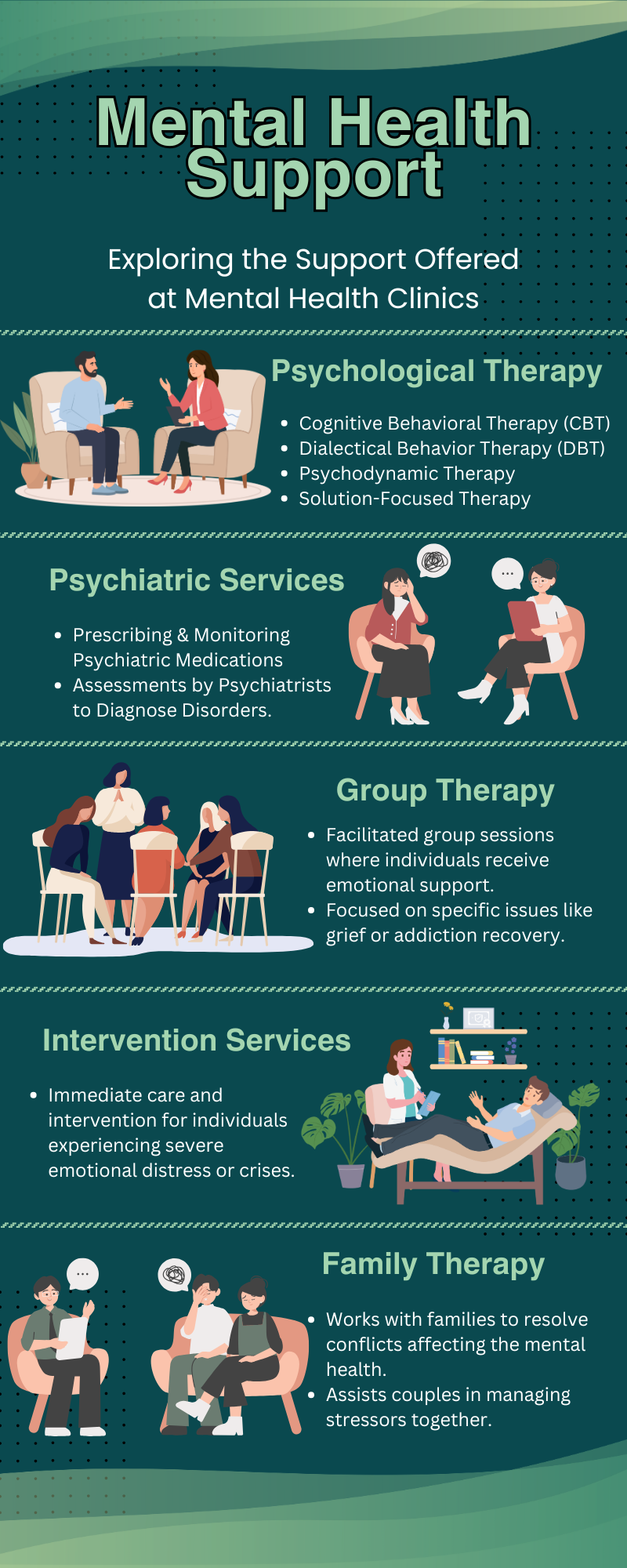
What Does OCD Treatment Usually Involve?
Treatment plans can vary from person to person, depending on the severity of symptoms, needs, and goals. However, it usually includes:
Therapy
Therapy is one of the most common treatments for OCD. It can help people better understand their symptoms, identify what triggers their anxiety, and learn healthier ways to respond to obsessive thoughts and compulsive behaviors.
Exposure and Response Prevention (ERP)
Exposure and Response Prevention (ERP) is one of the most effective treatments for OCD. It helps people gradually face the thoughts, situations, or fears that cause anxiety while learning how to resist the urge for compulsive behaviors.
ERP is carried out with the guidance of a trained professional and moves at a pace that feels comfortable and manageable for each person. Over time, many people find that their anxiety becomes easier to manage and their symptoms become less disruptive.
Can OCD Be Managed Long-Term?
Yes.
Although OCD can be a long-term condition, many people learn how to successfully manage their symptoms and prevent them from taking over their daily lives. With the right treatment and support, it is possible to reduce the impact OCD has on work, relationships, and everyday activities.
Treatment can help individuals:
- Feel more in control of anxiety and stress
- Reduce repetitive behaviors
- Handle daily responsibilities more easily
- Build confidence in managing symptoms
- Improve relationships with family and friends
- Enjoy a better overall quality of life
Recovery looks different for everyone, and progress often happens gradually over time.
What If I Have Been Living with OCD for Years?
Many people wonder if they have waited too long to get help, especially if they have been dealing with OCD symptoms for years.
The good news is that treatment can help no matter how long symptoms have been present. Some people seek support early on, while others do not reach out until much later.
Wherever you are in your journey, help is available. It is never too late to learn new ways to manage symptoms and take steps toward a healthier, more balanced life.
OCD Treatment Massachusetts at Forrest Behavioral Health
Living with OCD can be exhausting, especially when unwanted thoughts and repetitive behaviors start interfering with daily life.
At Forrest Behavioral Health, we provide personalized treatment and support for individuals struggling with OCD. Our goal is to help people build effective coping skills, gain confidence in managing symptoms, and improve their overall quality of life.
So, reach out to us today to learn more about OCD treatment in Massachusetts and let us help you achieve lasting relief, greater confidence, and improved well-being.