
SMART Recovery vs AA: Which Program is Right for You?
“The best recovery program is the one you can return to when the week gets hard.”
SMART Recovery vs AA isn’t a contest with one universal winner. SMART may suit you if practical, secular tools feel natural. AA may fit better if you value the Twelve Steps, sponsorship, spiritual reflection, and fellowship. The choice matters: 48.4 million people had a substance use disorder in 2024. Among them, 87.7% received no substance use treatment that year.
At Forrest Behavioral Health, we help people move from uncertainty toward informed support. This guide compares both programs, research, and the role of professional care.
What SMART Recovery vs AA Actually Means
SMART Recovery may fit people seeking secular, skills-based support led by trained facilitators. AA may fit people who value spiritual principles, sponsorship, and an alcohol-focused fellowship. Neither suits everyone. Some people attend both while receiving addiction treatment.
Both are free addiction mutual support groups. Still, their meeting culture, language, audience, and recovery methods differ.
How the SMART Recovery 4-Point Program Works
SMART means Self-Management and Recovery Training. The SMART Recovery 4-Point Program covers motivation, urges, thoughts and behavior, and balanced living. Trained volunteers guide SMART Recovery meetings through discussion and practical exercises.
The secular model supports substance-related or behavioral concerns. Meetings run online and in person. SMART doesn’t require sponsorship or lifelong attendance.
As a secular alternative to AA, SMART can feel like a practical toolbox.
How the AA Twelve-Step Program Works
Alcoholics Anonymous serves people who want to stop drinking. The AA Twelve-Step program includes powerlessness, a higher power, self-examination, amends, and service.
Alcoholics Anonymous meetings may feature readings, speakers, or group discussion. Sponsorship offers peer guidance. Open meetings welcome observers, while closed meetings serve people seeking sobriety. AA charges no membership fees.
SMART Recovery vs AA: Key Differences at a Glance
SMART Recovery compared to AA isn’t “science versus faith.” Focus instead on your beliefs, concerns, communication style, and preferred structure.
Feature | SMART Recovery | Alcoholics Anonymous |
Core structure | Four recovery points | Twelve Steps |
Main focus | Substance and behavioral concerns | Alcohol problems |
Philosophy | Secular and self-directed | Spiritual and fellowship-based |
Leadership | Trained facilitator | AA member or chairperson |
Discussion | Problem-solving and shared feedback | Personal experience and reflection |
Personal guidance | Tools and peer input | Sponsorship is common |
Commitment | No required lifelong attendance | Continued fellowship is encouraged |
Cost | Free | No dues or fees |
NIAAA suggests trying several meetings before choosing a comfortable match.
What Research Says About SMART Recovery vs AA
AA has a larger research base. SMART research is growing, though direct comparisons remain limited because participants often choose their groups.
What Studies Say About AA and Twelve-Step Support
A 2020 Cochrane review compared AA and professionally delivered Twelve-Step Facilitation with established approaches. Manualized AA or Twelve-Step Facilitation often produced higher continuous abstinence at 12 months. Some gains continued later.
Several other drinking outcomes resembled cognitive behavioral and motivational treatments. Still, no single percentage describes AA success for everyone. Participation, goals, and study design matter.
Case Study: The Peer Alternatives for Addiction Study
Researchers followed 647 adults with a lifetime alcohol use disorder. Participants attended Twelve-Step recovery meetings, SMART, Women for Sobriety, or LifeRing. They reported alcohol problems and abstinence after six and twelve months.
Once recovery goals were considered, SMART and Twelve-Step participants showed no significant outcome differences. Since members selected their groups, the study cannot prove causation.
Which is Right for You: SMART Recovery or AA?
Choose the setting where you can speak honestly and return consistently. Fit may matter more than winning the AA vs SMART Recovery debate.
- SMART may fit you if: You prefer secular language, exercises, self-management and support beyond alcohol.
- AA may fit you if: You want alcohol-focused fellowship, spiritual principles, sponsorship and shared stories.
- Try both if: Each offers something useful or your first group felt wrong.
- Reconsider the group if: You feel unsafe, judged, unheard or unable to discuss serious barriers.
SMART supports multiple pathways. Your addiction recovery support options don’t need separate boxes.
When Peer Support Should Sit Beside Professional Addiction Treatment
Peer support for addiction recovery can reduce isolation. Still, SMART and AA don’t provide diagnosis, withdrawal care, medication prescribing or licensed therapy. NIAAA describes mutual-support groups as an added layer beside healthcare-led treatment.
Professional care may be needed for:
- Dangerous or repeated withdrawal
- Daily or heavy substance use
- Previous overdose episodes
- Severe depression, panic, trauma, or suicidal thoughts
- Repeated unsuccessful attempts to stop
- Medication or physical health concerns
- An unsafe home environment
- Serious work, legal or relationship problems
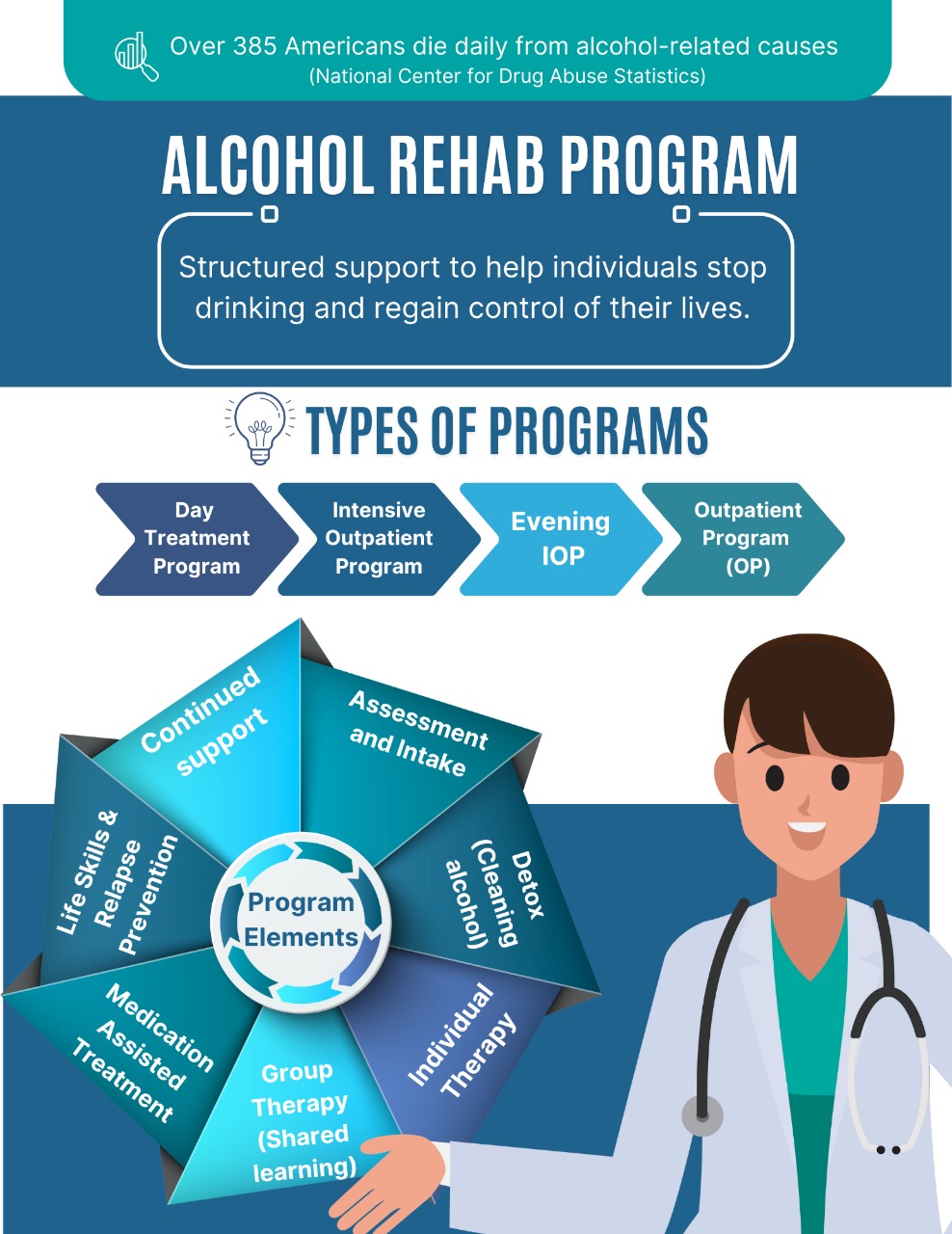
Forrest Behavioral Health offers personalized addiction treatment options in Bedford. Its outpatient treatment in Massachusetts includes day treatment, intensive outpatient care, and standard outpatient services.
FAQs
SMART Recovery vs AA: Which is Better?
Neither program is better for everyone. Your beliefs, goals, participation, access, and group comfort may shape your experience.
Does SMART Recovery Use the Twelve Steps?
No. SMART uses a secular Four-Point model focused on motivation, urges, thoughts, behavior, and balanced living.
Does SMART Recovery Require a Sponsor?
No. SMART uses trained facilitators, shared discussion, practical tools, and peer feedback instead.
Can You Attend SMART Recovery and AA Together?
Yes. SMART states that some participants combine its evidence-based recovery support with AA, NA, or other approaches.
Choose Support and Take the Next Step
Choosing between SMART Recovery and AA comes down to fit, not labels. SMART offers secular coping tools and structured problem-solving. AA offers Twelve-Step guidance, sponsorship, and broad peer connection.
You may choose one, attend both, or combine mutual support with clinical care. Are cravings, withdrawal, relapse, or mental health symptoms making recovery harder? Peer meetings may help, though they can’t replace medical assessment or licensed treatment.
Forrest Behavioral Health provides personalized addiction services in Bedford, Massachusetts. Call (781) 570-5781 to discuss your needs, explore suitable programs, and verify your insurance benefits. One honest conversation can start your next step today.