

Evening Mental Health Program Massachusetts: Flexible Therapy Options for Working Adults
There’s a common misconception that getting mental health help means pausing your whole life. In Massachusetts, that worry keeps lots of hardworking people from ever asking for support. When you are juggling a stressful job, family, terrible traffic, and an endless to-do list, finding a single moment for your own recovery feels completely impossible.
Life moves fast here. A manager in Boston bounces between tough meetings and deals with heavy stress, while a nurse in Worcester finishes a long shift carrying a ton of anxiety. They both know they need a hand, but walking away from work just isn’t realistic. That is why evening mental health programs in Massachusetts are a great option. They provide real after-hours care, so your life doesn’t have to stop.
These programs deliver high-quality, proven mental health care during evening hours, not just the usual nine-to-five. So you don’t have to pick between your job and your well-being; you can get treatment without upending daily life.
At Forrest Behavioral Health, we believe healing shouldn’t take away from the life you’ve created. We work around your job, your family, and your life, making sure you get the right help exactly when it makes sense for you.
High-pressure industries like healthcare, biotech, education, finance, and technology are thriving in Massachusetts. These industries open the door to great opportunities, but they can also pile on stress, burnout, anxiety, depression, and plain emotional exhaustion.
An evening mental health program gives professionals a way to focus on their well-being without leaving their jobs.
Below, we look at how these evening programs actually work, who they help the most, and how to figure out if it’s the right move for your current situation.
What Is an Evening Mental Health Program and How Does It Work?
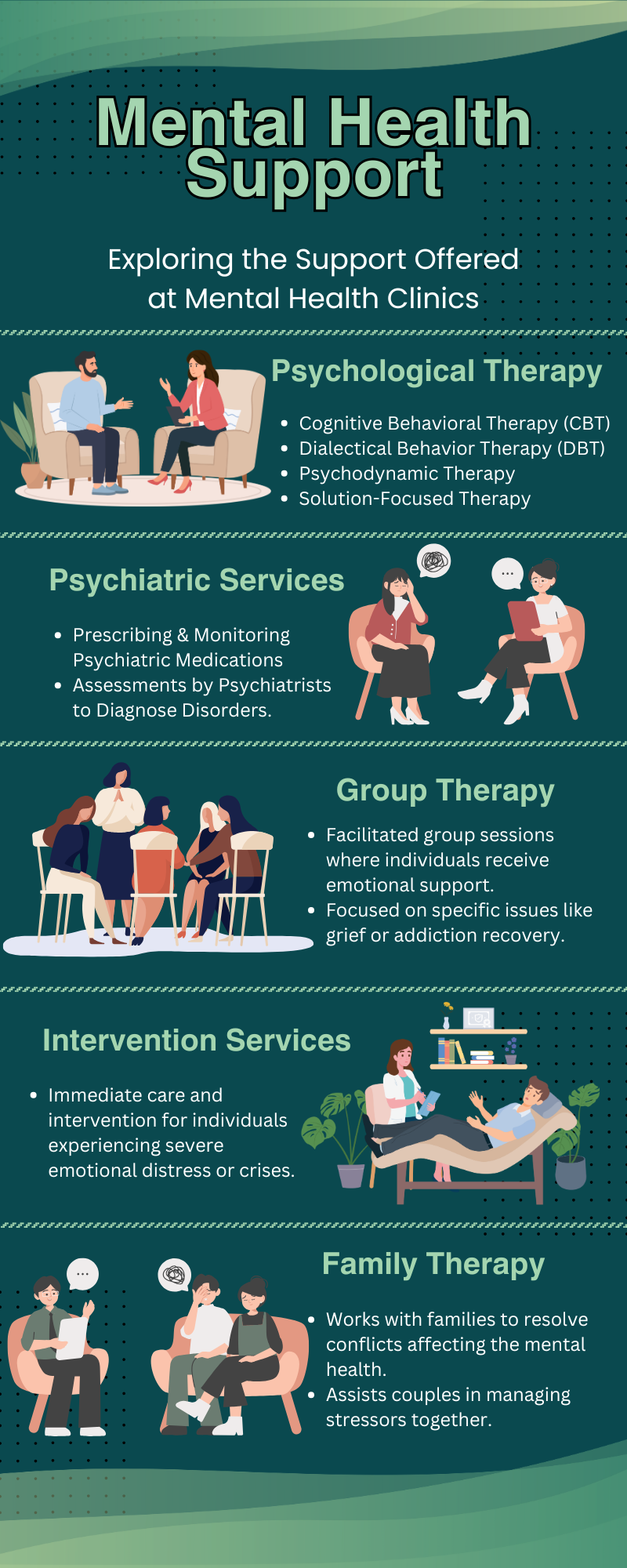
Many people searching online ask a simple question: “What exactly happens in an evening mental health program?” An evening mental health program at a Massachusetts treatment center typically offers scheduled therapy sessions in the late afternoon or evening. These programs are often delivered as intensive outpatient programs (IOPs) or specialized outpatient services.
Typical Components of an Evening Program
Depending on what someone needs, they can come in for care anywhere from three to five nights a week. Most of the time, this involves things like:
- One-on-one therapy
- Group counseling
- CBT to work through thought patterns
- DBT to help manage emotions
- Tips for handling stress
- Help with anxiety and depression
- Staying on top of medications
- Support for the whole family
- A plan to help prevent relapse
People return home after each session instead of staying overnight, as they would in inpatient care. That means you can keep working, look after your family, and handle everyday responsibilities while still getting real support from an evening mental health program in Massachusetts.
Who Benefits Most?
These evening programs are a massive help for:
- Working professionals
- Healthcare workers
- Teachers
- People working remote jobs
- Business owners
- Grad students
- Parents juggling a lot at once
Can You Really Work Full-Time While Attending an Evening Mental Health Program?
Evening care fits in right after your regular workday, unlike a hospital stay or daytime program that requires much of your morning and afternoon. This means you don’t have to put your job on hold or miss a single shift just to get steady, reliable mental health support.
What Does a Typical Schedule Look Like?
Most evening programs tend to follow a schedule that looks a lot like this:
- Meeting up 3 to 5 nights a week
- Spending about 3 hours in each session
- Gathering from 5:00 to 8:00 PM or 6:00 to 9:00 PM
A typical day involves working your normal shift, attending therapy afterwards, and returning home later that evening. Keeping that up takes genuine effort and energy, but most people find it a lot easier to manage than trying to take a huge chunk of time off work.
What Types of Mental Health Conditions Can Be Treated in an Evening Program?
Many people believe that to be eligible for organized treatment, they must have significant symptoms. However, an evening mental health program in Massachusetts can help individuals address a wide range of mental health challenges, whether mild or severe.
Common Conditions Treated
Anxiety Disorders
Constant worry, panic attacks, social anxiety, and generalised anxiety can significantly affect both work and relationships.
Depression
Many professionals continue working every day while quietly struggling with depression. Evening programs give them a safe place to get help without forcing them to step away from their careers or paycheck.
Stress and Burnout
Burnout has become increasingly common among healthcare workers, teachers, office workers, and remote employees.
Trauma and PTSD
People recovering from trauma often benefit from combining structured therapy with the stability of their daily routines.
Mood Disorders
Struggles with mood swings or trying to keep your emotions on an even keel are another big reason people turn to these evening programs. They provide consistent support without significantly disrupting daily responsibilities.
Choosing an evening mental health program in Massachusetts isn’t only about keeping symptoms in check. It’s really about picking up coping skills that actually hold up at work, at home, and everywhere life happens.
How Do Massachusetts Professionals Balance Work and Treatment?
Massachusetts has some of the fastest-moving industries around, especially when you look at fields like medical care, biotech, schools, finance, and tech. Cities such as Boston, Cambridge, Worcester, and Springfield are home to many professionals balancing demanding work schedules and family responsibilities.
Tips for Successfully Managing Both
Prioritise Your Energy
Recovery takes work. Try cutting back on extra commitments while you’re in treatment.
Communicate When Appropriate
You do not need to disclose the details of your treatment. However, discussing reasonable scheduling adjustments with your employer may help reduce stress.
Create Healthy Boundaries
Avoid bringing work home whenever possible.
Make Sleep a Priority
Juggling a full-time job alongside an evening mental health program in Massachusetts gets a lot easier once proper rest becomes a real part of the routine.
Use What You Learn Immediately
Many people notice improvements at work because they can immediately apply new coping strategies, communication skills, and stress-management techniques.
Wrap Up!
An evening mental health program in Massachusetts lets you get real professional support without having to put work, school, or family on hold. Thanks to flexible scheduling and treatment methods backed by real evidence, working adults can focus on getting better while still keeping up with everyday life.
At Forrest Behavioral Health, we offer caring, personalized treatment built around your lifestyle, helping you build lasting emotional wellness over time.
You don’t have to pause your day-to-day life to start healing. Connect with the team at Forrest Behavioral Health today to learn more about our evening mental health programs and find a path that works for you.
Read Next: Postpartum Beyond the Baby Blues: Mental Health Support for New Parents in Lexington