

Postpartum Beyond the Baby Blues: Mental Health Support for New Parents in Lexington
In the United States, postpartum depression prevalence nearly doubled from 9.4% in 2010 to 19% in 2021. It isn’t that suddenly more people began to suffer; rather, as awareness grew, more people started to report.
Behind that number are real parents in Lexington sitting in darkened nurseries at 3 a.m. Not feeling what they expected to feel. Quietly wondering if something is broken in them that isn’t fractured in anyone else.
It isn’t. And it has a name, and a treatment, and a door worth walking through.
Baby Blues vs. Postpartum Depression: The Line Most People Miss
You probably heard the term “baby blues” before your baby even arrived. Nobody told you clearly enough where they end and what it means if they don’t.
The baby blues are real and remarkably common. Up to four in five new moms experience them in the days right after delivery. Crying for no clear reason. Mood that swings from tender to wrecked between one feeding and the next. That raw, unsteady feeling that you can’t quite name. The symptoms are due to the sudden drop in hormones after the birth. Most people get better on their own within two weeks.
On the other hand, postpartum depression doesn’t come with a dramatic change. It’s quieter than that. It’s the two-week mark passing, and you still feel like you’re underwater. It’s getting through the day on autopilot, doing everything right on the outside while feeling nothing in particular on the inside. It’s looking at your baby and wanting desperately to feel what you thought you would but not quite getting there.
It’s Not Just Mothers And This Part Matters
Postpartum depression doesn’t only happen to the person who gave birth.
Fathers get it too. In fact, between 1.2 and 25 percent of new dads experience it. Surprisingly, it rarely looks the way people picture depression. It’s less crying, more irritability. Increased snapping over little stuff. They exhibit a sense of flatness and often retreat into work to avoid stress. Several clients express a strange distance from a life that ought to feel full.
There’s also a cultural script that says new dads need to be steady, functional, and a source of support for their partner. This makes it easy to mistake struggling for just being tired. Postpartum mental health isn’t a solo experience. It runs through a household. If one partner is going through it, the other is significantly more likely to go through it too.
When to Reach Out and Why Waiting Makes It Harder
The majority of people wait longer than they ought to. That makes sense. The hope is that it will pass on its own. The sheer weariness that comes from adding anything to a schedule that is already too demanding. The peculiar fear that speaking aloud makes it seem more genuine or reveals something about you as a parent.
Consider contacting a Lexington mental health professional if any of the following symptoms have persisted for longer than two weeks:
- A persistent sadness, numbness, or sense of going through the motions
- Unresolvable worries, particularly regarding the security of your infant
- Difficulty feeling connected to your baby, or a sense of detachment you didn’t expect
- Intrusive thoughts that feel alarming or out of character for you
- Irritability or anger that feels disproportionate and hard to explain
- A loss of interest in things that used to feel like yours
None of those are character flaws. They’re symptoms. And symptoms respond to treatment.
This is worth slowing down on, because most people carry an outdated picture of what getting help involves, and that can be its own reason not to go.
Therapeutic Interventions
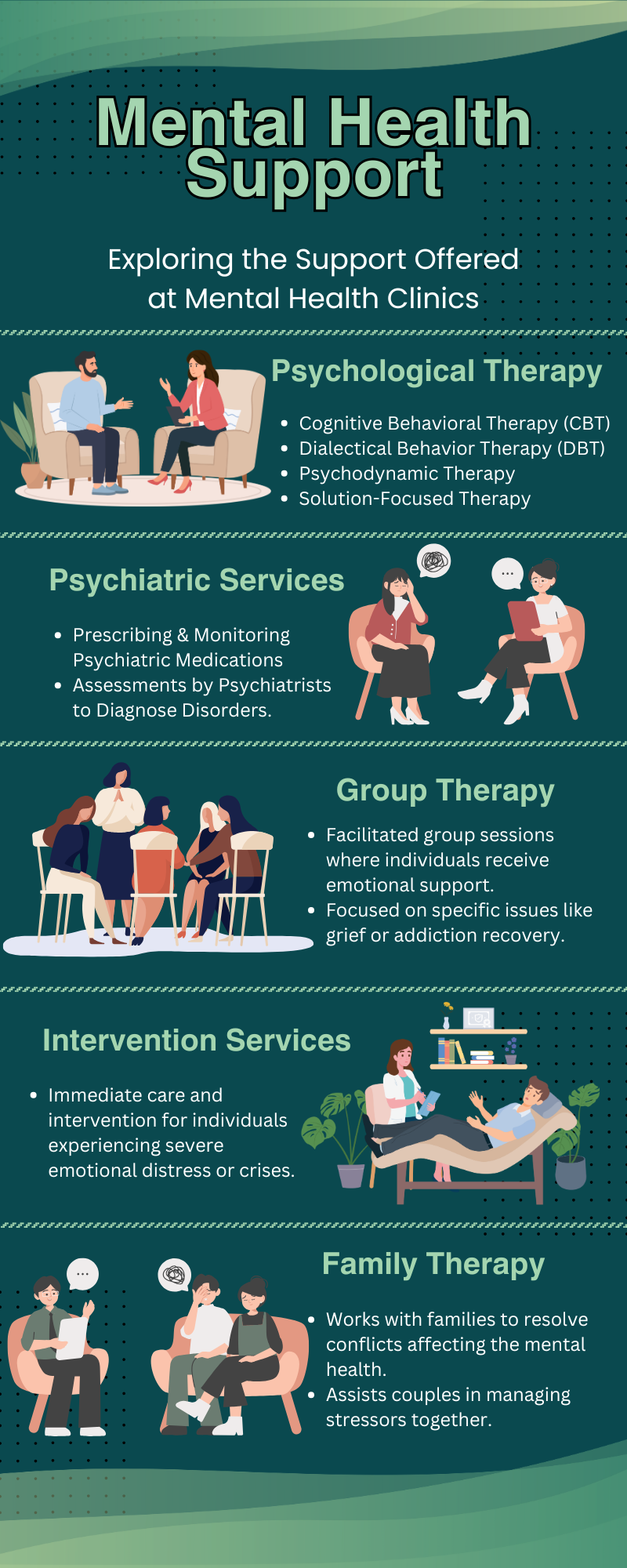
The first step is typically therapy, and the most beneficial forms are more useful than most people realize. Cognitive behavioral therapy (CBT) provides you with useful tools to break the thought patterns that fuel your anxiety.
Interpersonal Therapy (IPT) is focused on the relationship changes that occur with the addition of a new baby. The renegotiated roles, the altered dynamic with your partner, the silent grief of an earlier version of yourself. Neither requires you to dig into your childhood. They meet you where you are right now.
Medication-Assisted Treatment
Medicine is not a last resort, and it’s not a sign that things are worse than you thought. For moderate to severe postpartum depression, antidepressants, SSRIs in particular, are well-researched, well-tolerated, and often compatible with breastfeeding.
Your provider will be honest with you about the complete treatment plan. The options you have, what is known about safety, what the adjustment period is like, and what to do if the first thing you try isn’t quite right. In 2023, the FDA approved the first oral medication developed for postpartum depression. Zuranolone. The good news is that it’s a real step forward for a condition that had been underserved by research for such a long time.
Therapy and medication together tend to produce better results than either one alone, particularly when symptoms are more persistent or more severe. If your Lexington provider recommends both, that’s not cause for alarm. Rather, it’s cause for confidence that they’re being thorough.
You Don’t Have to Be in Crisis to Deserve Help
The weeks after a baby’s arrival are neither clean nor triumphant. They don’t have to be. Yet, with the right support, they are manageable and, in the end, much better.
Lexington’s Forrest Behavioral Health offers postpartum care for new mothers and new fathers, including psychiatric evaluation, individual therapy, and medication management. It begins not with a checklist but with a conversation about what you’re really experiencing, what’s become more difficult, and what kind of support would really help.
You don’t have to wait until you’re suffering at a certain level to ask for help. You don’t need to have tried everything else first. It’s enough that you saw something wasn’t right and you decided to do something about it.
That is all. Call the Forrest BH team in Lexington to arrange your first appointment today!