

10 Signs You May Need Anxiety Treatment Massachusetts
Everyone feels anxious from time to time. You might get nervous before a big presentation, worry about a loved one, or feel stressed during a busy week. These feelings are a normal part of life.
But when anxiety starts showing up every day, feels difficult to control, or begins affecting your relationships, work, school, or overall happiness, it may be time to seek additional support.
According to the Anxiety and Depression Association of America, 6.8 million adults suffer from General Anxiety Disorder (GAD). The good news is that anxiety can be treated, and many people feel much better with the right support and treatment.
If you live in Massachusetts and have been wondering whether what you are experiencing is more than everyday stress, here are 10 signs that it may be time to consider anxiety treatment Massachusetts.
1. You Worry Constantly
Everyone worries from time to time, but if you are worrying excessively and it feels difficult to stop, you’re suffering from anxiety!
You may find yourself constantly thinking about worst-case scenarios, replaying conversations, or worrying about things that have not happened yet. Even when everything seems fine, your mind may continue searching for problems.
If worry is taking up a large part of your day, it may be a sign that anxiety is becoming more than normal stress, and you need to get treatment for it.
2. You Feel Restless or On Edge
Do you feel like you can never fully relax?
Many people with anxiety describe feeling constantly on edge or as if something bad is about to happen. You may feel restless, irritable, or unable to sit still, even when there is no obvious reason to be concerned.
Living in a constant state of alertness can be exhausting and may impact your overall well-being.
3. Anxiety Is Affecting Your Sleep
Anxiety and sleep problems often go hand in hand.
You might struggle to fall asleep because your mind will not slow down. Others wake up throughout the night worrying about responsibilities, relationships, finances, or future events.
When poor sleep becomes a regular pattern, it can make anxiety symptoms feel even more intense during the day.
4. You Have Physical Symptoms of Anxiety
Anxiety not only affects your thoughts; it can also affect your body!
Common physical symptoms include:
- Palpitations
- Muscle tension
- Headaches
- Upset stomach
- Nausea
- Sweating
- Dizziness
- Shortness of breath
Many people are surprised to learn that these physical symptoms can be directly connected to anxiety.
5. You Avoid Certain Situations
Avoidance is one of the most common signs that anxiety is beginning to interfere with daily life.
You may start avoiding social gatherings, work events, public places, driving, phone calls, or situations that make you feel uncomfortable.
Avoiding things that make you anxious might help you feel better for a little while, but it can make anxiety harder to manage over time.
6. You Struggle to Concentrate
When anxiety is high, it can be difficult to focus on everyday tasks.
You may find yourself rereading the same email several times, forgetting important details, or struggling to stay present during conversations.
Many people describe feeling mentally overwhelmed because their thoughts are constantly racing from one concern to another.
7. You Experience Panic Attacks
Panic attacks can feel frightening, especially if you have never experienced one before.
Symptoms may include:
- Racing heart
- Chest tightness
- Difficulty breathing
- Dizziness
- Shaking
- Sweating
- Feeling out of control
Some people even mistake panic attacks for medical emergencies, like a heart attack. If panic attacks are occurring regularly, professional treatment can help you understand and manage them.
8. Anxiety Is Affecting Your Relationships
Anxiety can make communication and relationships more difficult.
You may find yourself seeking constant reassurance, avoiding social interactions, becoming easily irritated, or withdrawing from people you care about.
Over time, anxiety can create stress in friendships, family relationships, and partnerships if it is left untreated.
9. You Feel Overwhelmed by Everyday Responsibilities
Tasks that once felt manageable may suddenly seem overwhelming.
Simple responsibilities such as answering emails, running errands, making decisions, or completing work assignments can start to feel much harder than they used to.
When anxiety reaches this point, it can have a significant impact on daily functioning and quality of life.
10. You Have Tried to Handle It on Your Own Without Success
Many people wait months or even years before seeking treatment.
They try to push through the anxiety, ignore it, or convince themselves it will eventually go away. While healthy coping strategies do help, there are times when professional support is needed.
If anxiety is not improving, even after trying to manage it on your own, it may be time to reach out for support. Getting help can make a real difference and give you the tools you need to feel more in control and confident again.
What Anxiety Treatment Can Look Like?
One of the many reasons people avoid seeking help is because they are unsure what treatment looks like.
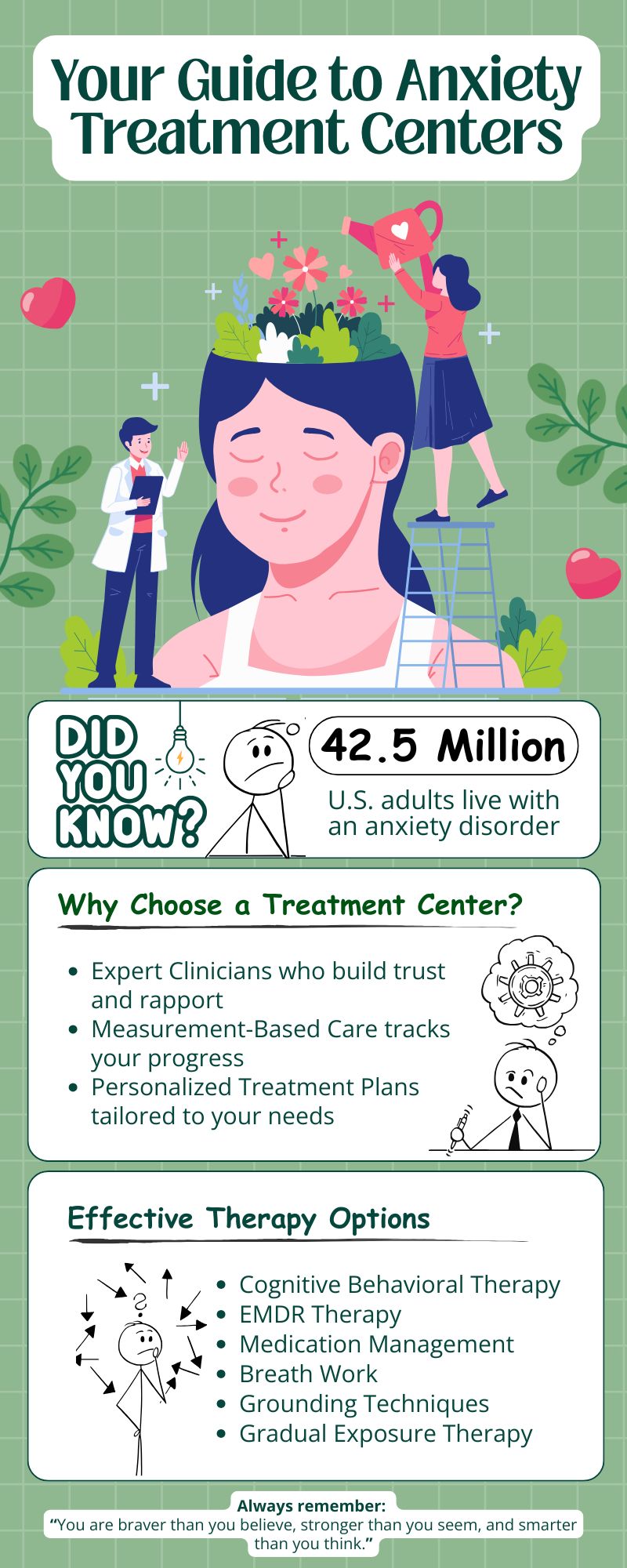
The reality is that anxiety treatment is not the same for everyone. Depending on the severity of your symptoms, treatment may include:
- Individual therapy
- Cognitive Behavioral Therapy (CBT)
- Group therapy
- Medication-assisted treatment
- Stress management techniques
- Mindfulness and relaxation strategies
- Structured outpatient programs for individuals who need added support
The goal of treatment is to help you better understand your anxiety, learn healthy ways to manage it, and feel more confident handling everyday life.
Anxiety Treatment Massachusetts with Forrest Behavioral Health
Living with anxiety can be exhausting; however, help is just around the corner. If these signs sound familiar, it may be time to explore your treatment options.
At Forrest Behavioral Health, we believe anxiety should not stop you from living the life you want. Our team helps individuals learn practical ways to manage anxious thoughts, handle stressful situations, and build greater confidence in their day-to-day lives.
Contact us today to learn more about our anxiety treatment services and discover how our team can help you move toward a calmer, healthier, and more confident future!