

Building a Long-Term Mental Health Plan After Treatment in Illinois
After mental health treatment, many people return to a normal routine and feel like they are finally “back on track.” But daily pressures push unresolved thoughts and future fears. In those moments, you may feel like you are losing control again, and treatment might not have worked completely.
As we came across situations and events again and again, we felt emotional disturbance and physical symptoms of anxiety and depression. You just need a long-term mental health plan after treatment in Illinois, and it often reflects how recovery actually works. Many people experience relapse risk, especially when stress hits them in a certain situation.
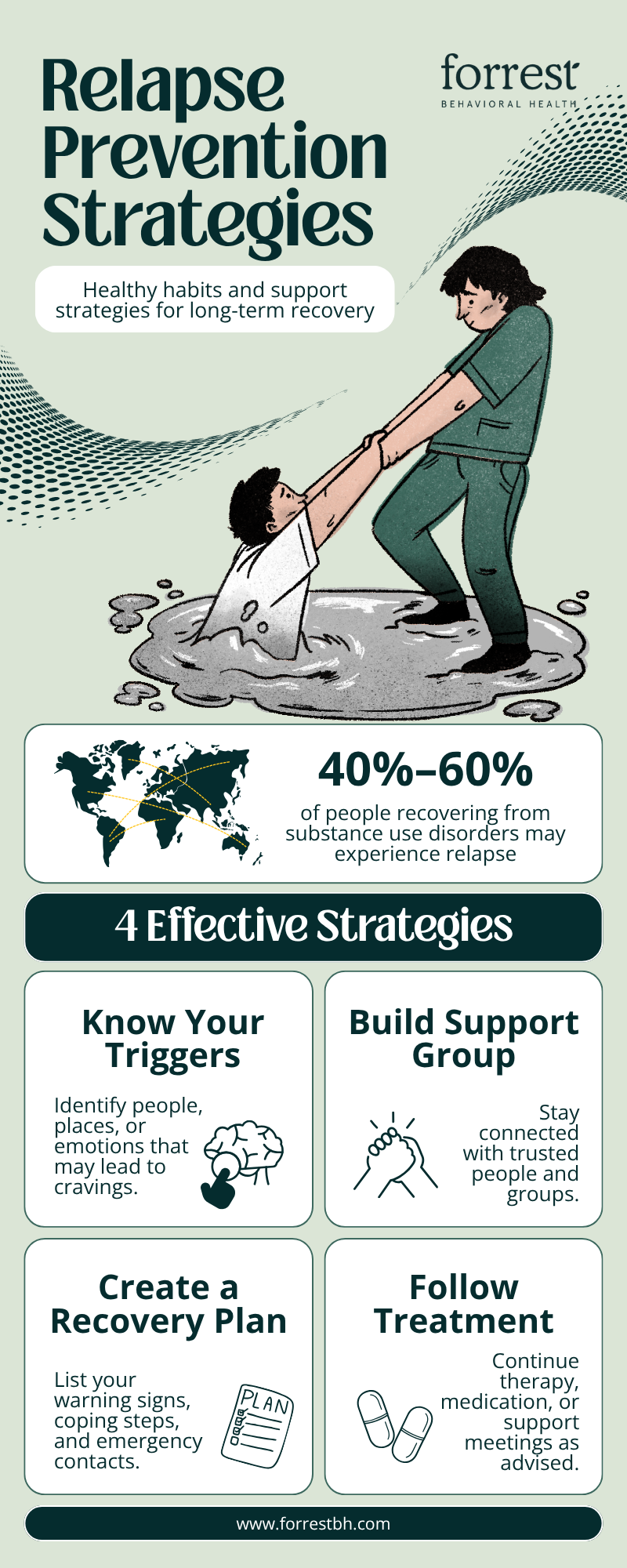
According to PubMed, people who took mental health therapies after their treatment have fewer relapses than people who do not take a prevention plan. The figure is 53%, people feel betterment in their emotions and moods.
It requires some structured therapy that includes emotional goals along with some physical and relationship goals. You can build them through healthy routines, consistency, and therapy if needed. You can build this kind of stability that requires consistent healthy routines, such as regular sleep and staying connected to mental health support systems.
In this blog, you will understand what a mental health recovery plan is and how it supports long-term stability and personal growth.
Understanding Life After Mental Health Treatment
When you leave an inpatient or outpatient treatment program, the emotional and physical transition can feel anxious. You move from a highly structured environment to a normal routine of everyday tasks. During this period, therapists usually guide individuals to take responsibility and rebuild routines in a manageable way, gradually.
It is normal to experience emotional ups and downs during this phase. To manage daily life more effectively, it is important to use healthy coping techniques such as breathing exercises, journaling, and a consistent routine. These strategies help you to regulate emotions, reduce anxiety, and create stability during moments of stress.
Why Does a Long-Term Mental Health Plan Matter in Illinois?
People living in Illinois often experience a fast-paced lifestyle where there is stress. Some daily routines feel chaotic due to work pressure, financial, and family responsibilities. While keeping the balance, people come across their unresolved emotions and Post Traumatic Stress Disorder effects that stop them from moving forward. Even after completing intensive outpatient or outpatient rehab treatment, many individuals are concerned about relapse prevention.
It is common to feel worried about the next step of stability once your mental health treatment ends. You can get a long-term plan after treatment in Illinois from a nearby mental health centre or with a therapist you are already enrolled with.
Setting Realistic Recovery Goals After Treatment
1. Emotional Goals
The first step in long-term recovery is setting emotional goals that help you feel better while managing your mental health. You need to work on recognizing your emotions and identifying triggers that may worsen your anxiety or depression.
It is important to track your emotional progress and set realistic goals that help you achieve long-lasting recovery. Practices such as journaling and regular CBT therapy sessions help you to understand your thought patterns well.
2. Physical Wellness Goals
Your physical wellness is equally important in long-term mental health recovery. You can build healthy habits such as maintaining a proper sleep schedule, eating balanced meals, and exercising regularly.
These habits help you remain physically and emotionally stable.
3. Social and Relationship Goals
You should also set realistic relationship and social goals to support your mental health recovery. You should build healthy connections, along with boundaries and meaningful connections.
It is equally important to spend time with individuals who bring positivity into your life and growth. At the same time, you should learn to identify your conflict triggers in relationships that drain you emotionally.
4. Coping Skills
You need to build healthy coping skills for long-term mental health recovery. You should learn to recognize your triggers and practice grounding techniques whenever you experience stressful situations. These strategies can help you respond calmly and manage emotions more effectively.
At the same time, maintaining a daily routine can improve your emotional cycle and focus. When you keep yourself engaged in healthy activities, personal goals, and productive habits. Your mood feels uplifted, and consistency helps you build healthier thought patterns for long-term recovery.
“Emotional Regulation needs consistency and a strategic plan.”
Lifestyle Habits Of Long-Term Mental Health Plan In Illinois
1. Exercise and Physical Activity
Regular exercise is an important part for preventing relapse. Exercise helps you release endorphins, a chemical in your brain that reduces stress and improves your mood.
You can add exercises like walking, yoga, and stretching exercises into your schedules. Being consistent towards exercises creates a huge difference in outcomes and lasting recovery.
2. Healthy Sleep Habits
Sleep has a strong effect on your brain and mental health. Your brain needs to be at rest after a long time. Poor sleep leads to fatigue and stress.
People who have an unstructured sleep pattern will have difficulty managing the next day’s tasks. Getting rest is important to function properly the next day.
3. Reducing Substance Use
If you are dealing with disturbed emotional patterns and substance addiction, then seek enrollment in dual-diagnosis treatment to beat it.
Substances provide instant relief to your brain, but they often increase anxiety and depression in the long-term.
4. Mindfulness and Stress Reduction
Mindfulness practices help you to reduce your stored stress. You should include mindful practices such as breathing exercises, journaling, and digital detox routines for reducing stress and improving emotional balance.
They can help reduce your stress buildup and improve emotional balance.
“Emotional boundaries protect your mental health and prevent relapse.”
Continuing Therapy and Psychiatric Support in Illinois
You can continue therapy after mental health treatment whenever you feel signs of relapse or need support in maintaining healthy boundaries and emotional management.
Regular follow-ups with a psychiatrist, along with therapy sessions, can help you to track your emotional progress and support long-term recovery.
In case of an emergency, mental health helplines and communities can also provide immediate assistance.
Your Healing Path
Creating a mental health plan after treatment in Illinois is very important if you want to maintain long-term recovery and prevent relapse. Recovery is not a one-time process; it requires consistency, healthy routines, and professional guidance.
You should stay connected with your therapist and psychiatrist and reach out to them during emergencies or when you experience stressful situations. Patients need to stay focused on their daily life, and building peaceful habits such as regular sleep, physical activity, and mindful practices can help them manage stress and emotional balance.
If you want long-term mental health support after treatment, it is important to connect with licensed professionals. You can visit Forrest Behavioral Health to book your appointment.