

Relapse in Mental Health: What to Do Next in Illinois?
After spending months in emotional stability, one day a random thought hits your mind and you feel triggered. That sudden chaos takes over your mind, and you start feeling mentally drained again.
You try to cope, but your emotions start feeling heavier than usual; this is known as a mental health relapse. Relapse can happen due to stress, trauma, or a triggering environment that affects emotional balance.
According to the National Institute for Health and Care Excellence (NICE), there are 50% of people who recover from depression can experience relapse when they face triggering environments or unresolved thoughts.
When relapse happens, many people find themselves totally clueless about the next step. You should know that relapse does not mean recovery has failed. It means you need extra support and treatment to regain emotional stability during recovery.
A mental health expert helps you receive a relapse prevention plan that includes therapy, medication management, and lifestyle changes. Mental health experts work on identifying unhealthy thought patterns and emotional triggers before recommending a treatment and medications if needed.
In this blog, we will discuss what mental health relapse is, why it happens, and the steps you must take to return to stability.
What Does Mental Health Relapse Mean?
Mental health relapse is the return of difficult emotions and symptoms that make a person feel emotionally drained again. It means that even after therapy and medication, there is something left unresolved, or a person has come across new triggers.
Relapse can occur in different mental health conditions such as depression, anxiety disorders, Post-Traumatic Stress Disorder (PTSD), bipolar disorder, and Substance use disorders. A mental health relapse does not mean treatment has failed. It means that a person may need additional support, such as therapy and medications. In therapy, a psychologist will track your negative or unresolved patterns.
Common Signs of Mental Health Relapse
1. Emotional Signs
When a mental health relapse happens, a person may feel emotionally drained and disconnected from others. There is often increased sadness and anger, along with frequent mood swings. Many individuals also feel emotionally numb, making it hard to manage daily life and relationships.
2. Behavioral Signs
During a mental health relapse, a person may start withdrawing from others and avoid social interaction. They often experience changes in sleep and eating patterns, such as insomnia, oversleeping, or loss of appetite. There is also a drop in motivation as they delay every task and feel like taking no responsibility at all.
3. Physical and Cognitive Signs
When dealing with depression, everyday reality can become difficult to manage due to symptoms such as fatigue, racing thoughts, and trouble focusing. People experience a constant feeling of emotional and mental struggle that affects daily functioning. Depression can also have physical symptoms such as low energy and emotional instability throughout the day.
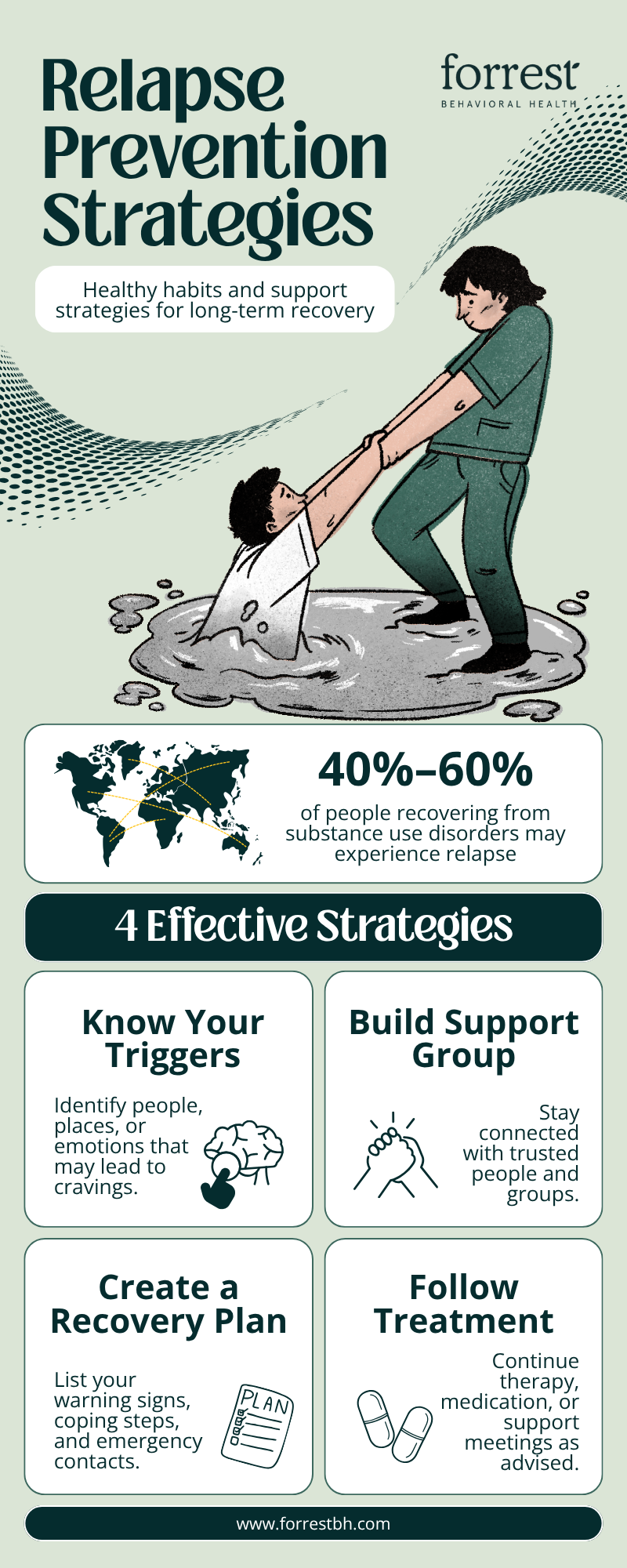
“Relapse begins with triggers and resets with recovery treatment.”
What Causes Relapse in Recovery?
1. Stress and Life Changes
If you are dealing with work pressure, then it is important to express your thoughts and emotions instead of ignoring them. You feel constant stress and emotional overload that can affect your focus and productivity. In stressful situations, if you have arguments and a change of opinion that might affect you mentally, you can feel a relapse.
2. Stopping Treatment Too Early
If a person stops their treatment too early, such as missing therapy sessions, then there is an increased risk of relapse. Stopping medication without guidance from a psychiatrist can lead to problems such as anxiety, sleep problems, and other withdrawal-related symptoms.
3. Lack of Support
If you feel alone and emotionally disconnected from your life, it can be difficult to stay strong and motivated. Many people lose interest in activities because no one supports them emotionally. Having no connections can help you increase sadness, stress and feelings of hopelessness.
4. Burnout and Poor Self-Care
If you are busy in a hectic routine, in a state of stress, and not eating properly or getting enough sleep, then your emotional health can also be affected. Poor self-care and exhaustion may make stress feel more intense and can trigger unresolved trauma.
What to do Immediately After a Relapse?
1. Do Not Panic or Shame Yourself
The first important step is not to panic or feel guilty; that makes it actually worse. It is a common part of the recovery journey, and many people experience it while healing. Once you understand what is causing relapse, you can get back with ongoing treatment.
2. Identify What Triggered the Relapse
You should first identify what is triggering your relapse. It could be related to work stress or pressure, or it may be because you are spending too much time alone and feeling isolated. Sometimes it can also happen due to changes in medication, or you are dealing with a toxic environment.
3. Restart Healthy Routines
You can focus on maintaining a consistent sleep schedule by going to bed and waking up at regular times each day, as it helps stabilize your mood and energy levels. You can drink plenty of water daily to keep your body properly hydrated. You can also add light exercise and journaling to your routine, as these habits help release stress and improve emotional balance.
4. Seek Professional Help Quickly
If symptoms become difficult to handle on your own, then reaching out to a mental health expert can provide the right support and guidance. If the symptoms become intense or difficult to control, then reach out to your therapist as soon as possible.
“Recovery requires support, not self-blame.”
Preventing Relapse Through Treatment
Relapse happens because there may be something unresolved; it does not mean that the treatment was not enough.
In recovery phases, it is normal for people to experience ups and downs that go through a relapse as part of the process. You need to track your triggers and try to understand why the relapse happened.
To prevent relapse, add some changes to your routine or environment to achieve peace. If the symptoms are mild, you can focus on rebuilding healthy habits; if they are not, then consult a psychiatrist for your mental health.
Recovery becomes more manageable when you combine treatment and professional support on time, along with self-care.
If you have a relapse after mental health treatment, then Forrest Behavioral Health can help you regain focus in your life.