

How to Maintain Progress After Mental Health Treatment in Illinois?
You complete your mental health treatment in Illinois and think everything is fine now, so there is no need to continue working on your recovery. But this can be a major mistake to skip aftercare.
Mental health recovery does not end when treatment is completed; maintaining emotional stability afterward is equally important for long-term recovery. Many individuals stop focusing on their mental health after treatment and avoid aftercare support. This can increase the risk of relapse and affect your consistency. You need to stay away from your triggers and unhealthy routines to maintain recovery progress.
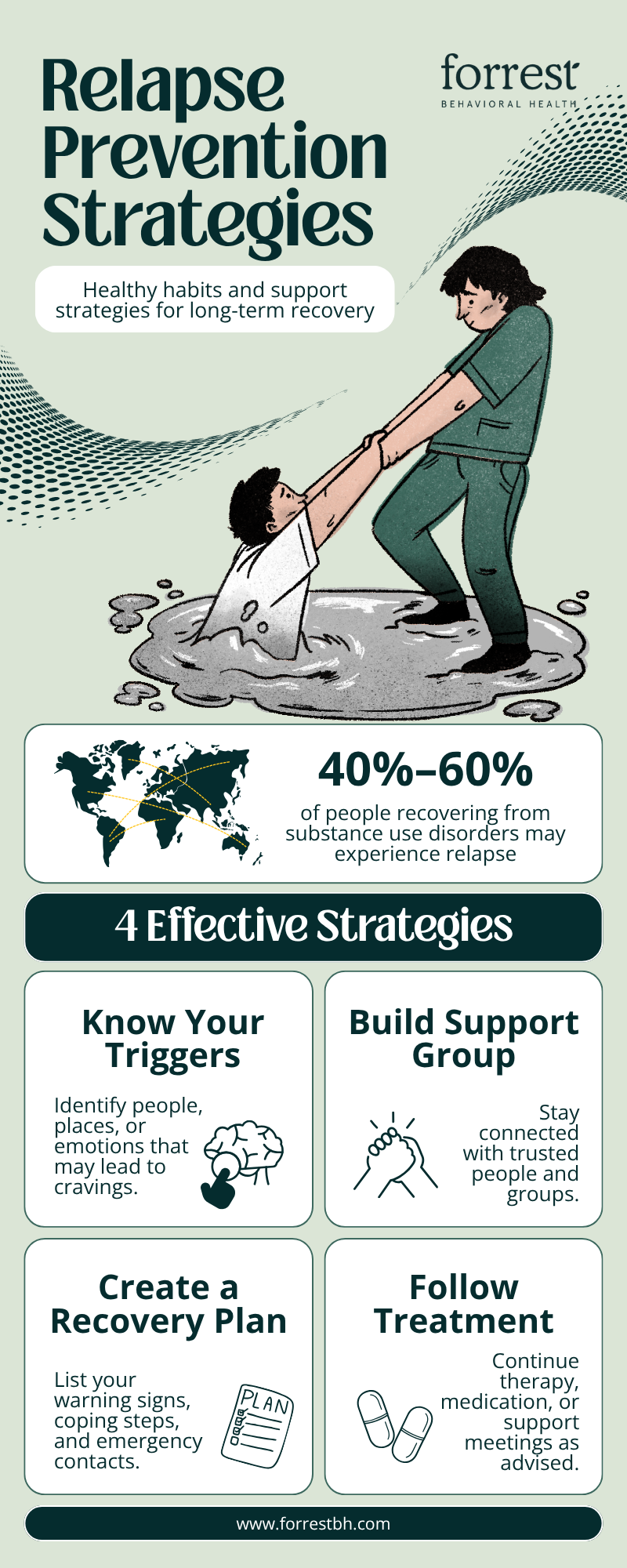
According to PubMed research, there are aound 40% to 60% of individuals experience a relapse within the first year if proper aftercare is not followed. These statistics highlight how common relapse can be after completing mental health treatment.
If you want to avoid relapse and maintain long-term recovery, it is important to stay connected with a mental health support system – such as a positive community that supports your emotional and mental health.
In this blog, we will explore how you can maintain your stability, manage triggers effectively, and build healthy habits for long-term recovery.
Continue Following Your Treatment Plan
After completing mental health treatment in Illinois, there are some factors you should consider to maintain emotional balance. Recovery is an ongoing process that helps you continue care, where individuals stay emotionally balanced while preventing relapse.
1. Medication Management
If medications are part of your treatment plan, then it is important to stay connected with your psychiatrist regarding medication management after treatment. You should understand how long the medication will continue and how to take it in an emergency.
If you suddenly stop the medicines without medical guidance, it can affect your mood and bring back physical and emotional symptoms.
2. Therapy and Counseling Sessions
Many people think that they have completed the mental health treatment in Illinois, so why do they need therapy again?
Counseling sessions can play an important role in maintaining your emotional progress. Individual therapy helps you to manage your thought patterns, emotional triggers, and anxiety responses effectively.
Build Healthy Daily Habits
To maintain recovery, you are encouraged to build healthy daily habits that support your mental health. Here are some important ones:
- Maintaining a Sleep Routine: Regular sleep of 8 hours helps you regulate your nervous system. Go to your bed on time, and waking up early helps your mind to stay active and fresh.
- Healthy Eating and Physical Activity: You can balance out the nutrition and regular physical activity with your routine. Eating three meals on time helps you stay healthy and fit. Also, adding yoga exercises calms your mind and reduces your stress. These habits support better concentration and mental health.
- Creating Structure in Daily Life: Having a structured and organized routine is a must in your day. If you plan your day, you become less stressed and more active and confident. In this way, you will be more focused on the recovery goal.
Learn Healthy Coping Skills in Illinois
People are informed to build healthy daily habits to maintain long-term recovery after mental health treatment in Illinois. Healthy routines help people to stay productive, emotionally balanced, and focused on their recovery goals.
1. Stress Management Techniques
Once you are done with treatment, it is important to learn healthy stress management techniques to maintain stability.
Techniques such as deep breathing exercises, mindfulness and taking short breaks during stressful situations can help reduce pressure.
These coping strategies allow you to stay relaxed during challenging moments and respond thoughtfully instead of reacting.
2. Mindfulness and Relaxation
Mindfulness and relaxation methods help your mind to stay calm and bring emotional clarity.
You can write your thoughts and emotions on paper to release stress and emotional tension.
Activities such as yoga, meditation, and light exercise can also help you relax your body and improve your mood.
3. Making Connection
Building meaningful connections can help your mind feel better because talking and sharing conversations often reduce emotional stress and loneliness. Friends and family provide emotional support and reassurance during difficult times.
If you have healthy relationships in your life, they have a positive impact on mental health because you feel emotionally secure throughout your recovery journey.
“Progress is achieved by healthy habits and routine.”
Recognize Triggers and Warning Signs
After completing a mental health program, it is important to recognize your triggers and early warning signs to help prevent relapse. You need to understand what exactly is affecting your emotions and how you can deal with them.
1. Common Emotional Triggers
It is important to identify your common emotional triggers, situations, relationship conflicts, and traumatic memories. Recognizing these triggers helps you understand what negatively affects your mental health.
2. Early Signs of Mental Health Decline
There are some early warning signs of mental health decline you should recognize to prevent relapse. These signs include losing interest in your favorite activities and difficulty focusing, along with sleep issues. You feel constant fatigue, mood changes, and have no energy to socialize.
3. Relapse Prevention Plan
You must keep a relapse prevention plan to maintain emotional stability and support your mental health during emergencies. It works as a step-by-step guide, and you can follow it when your symptoms begin to increase. This plan includes recognizing your personal triggers by using practical coping strategies along with maintaining a healthy daily routine.
Manage Stress in a Healthy Way
No matter whether you choose intensive outpatient (IOP) or outpatient treatment, you should maintain your progress after treatment.
1. Setting Boundaries
Setting your healthy boundaries is really important for protecting your mental health. It means you must know your stamina for handling situations and limiting people’s interactions who drain your energy.
Personal space helps you feel like taking a pause and connect with relationships that have a positive impact on your mental health.
2. Balancing Work and Personal Life
It is necessary to keep a balance between work and personal life in order to maintain good mental health.
When you are dealing with constant work pressure, taking a break is necessary. You can give yourself time to rest and relax so that you feel more emotionally stable.
3. Practice Self-Care
Practicing self-care is an important part of mental health recovery. It means actually taking care of yourself in simple but consistent ways.
You should try to eat balanced meals with proper nutrients and stay physically active by doing exercise.
“Small steps create lasting recovery.”
Next Step towards Healing
Recovery is an ongoing journey that requires consistency and self-awareness.
After mental health treatment in Illinois, aftercare is equally important for maintaining long-term stability. You should continue building healthy habits and managing stress in a balanced way to support your emotional health.
Maintaining progress is all about recognizing your triggers and identifying early warning signs of mental health decline.
Applying healthy coping skills is essential for dealing with stressful situations, and in times of emotional crisis, you should consult a psychologist.
Moreover, keeping a relapse prevention plan helps you stay aware of your triggers and maintain emotional stability, along with a lower risk of relapse.
If you are finding it difficult to maintain progress on your own, then take professional guidance from Forrest Behavioral Therapy and maintain long-term recovery.