Returning to Daily Life After IOP in Illinois: What to Expect
People who come out of an intensive outpatient program have mixed emotions, excitement, and worries at the same time. They have a structured routine of therapy and support, then they come back to everyday life with no clue of maintaining it. It brings a mix of confidence but a fear of how they will maintain it. They expect to feel normal again, but also with a structured routine.
In Illinois, an Intensive Outpatient program provides structured treatment. The plan contains therapy, skill development, and medical support. It allows great flexibility to carry out routine by including the treatment while living at home. It offers a balance of treatment and responsibilities of life.
According to Mental Health Statistics, around 65% of adults in the U.S having substance use or mental health challenges do not receive guidance after treatment. This highlights the importance of outpatient care and relapse prevention after Intensive Outpatient Care.
It’s a bit challenging to build a daily life after completing IOP in Illinois. You feel that your life has become unstructured. There, you need to create a routine and overcome your challenges by including habits and coping skills that help you to maintain recovery. You need to gradually adjust to your routine with consistency.
In this blog, we will help you to understand how you can transition from IOP treatment to daily life, along with coping techniques to overcome challenges.
Understanding the Transition from IOP to Daily Life
When you move from the Intensive Outpatient Program (IOP) into daily life, you miss the scheduled routine but feel a struggle to build your own. There is a difference between structured IOP and daily life. The treatment is supported by mental health experts and trained staff. But the daily routine will be carried out entirely by you. You need to create it by adding some new habits, routines, and rituals.
Many individuals feel supported when they are in a proper routine and mental health support is available. But in a daily routine, you need to work on your emotional patterns to feel supported. You need to recognize your triggers and stay away from them. It is common to experience loneliness, anxiety, and uncertainty; all you need is to gradually shift your mind and body towards a new routine.
After IOP, when people begin to build that daily routine, they experience changes that happen when they are adapting to a new routine. With time, everything becomes normal and smooth to handle.
Common Emotional Experiences After IOP
People who return to daily life after IOP in Illinois experience emotional ups and downs. There is a huge shift from a structured environment to independent living.
1. Anxiety and Relapse
One of the most common reactions is anxiety about relapse. Many individuals start to worry about relapse or fear that they might slip into previous behaviors. This can increase anxiety, especially when you get no regular emotional support from therapists and group sessions.
2. No Group Support
People often become comfortable discussing their struggles and emotional challenges with others during group sessions. This emotional support creates a strong sense of connection and understanding.
This regular interaction ends after IOP, and you experience loneliness or feel something important is suddenly missing from your routine.
3. Fear of Losing Progress
People often make progress during IOP through consistent effort and lifestyle changes. They become fearful after treatment that they might lose the progress. This in-between cycle of maintaining it or losing it becomes challenging for you.
4. Overconfidence and Self-doubt Cycles
Sometimes patients feel overly confident and trust that they can manage everything completely on their own after treatment. At other times, they may go through cycles of self-doubt. These emotional fluctuations are considered a normal part of the recovery process.
“Patience and consistency are great tools for taking your control back.”
Challenges People Often Face in Illinois Post-IOP Life
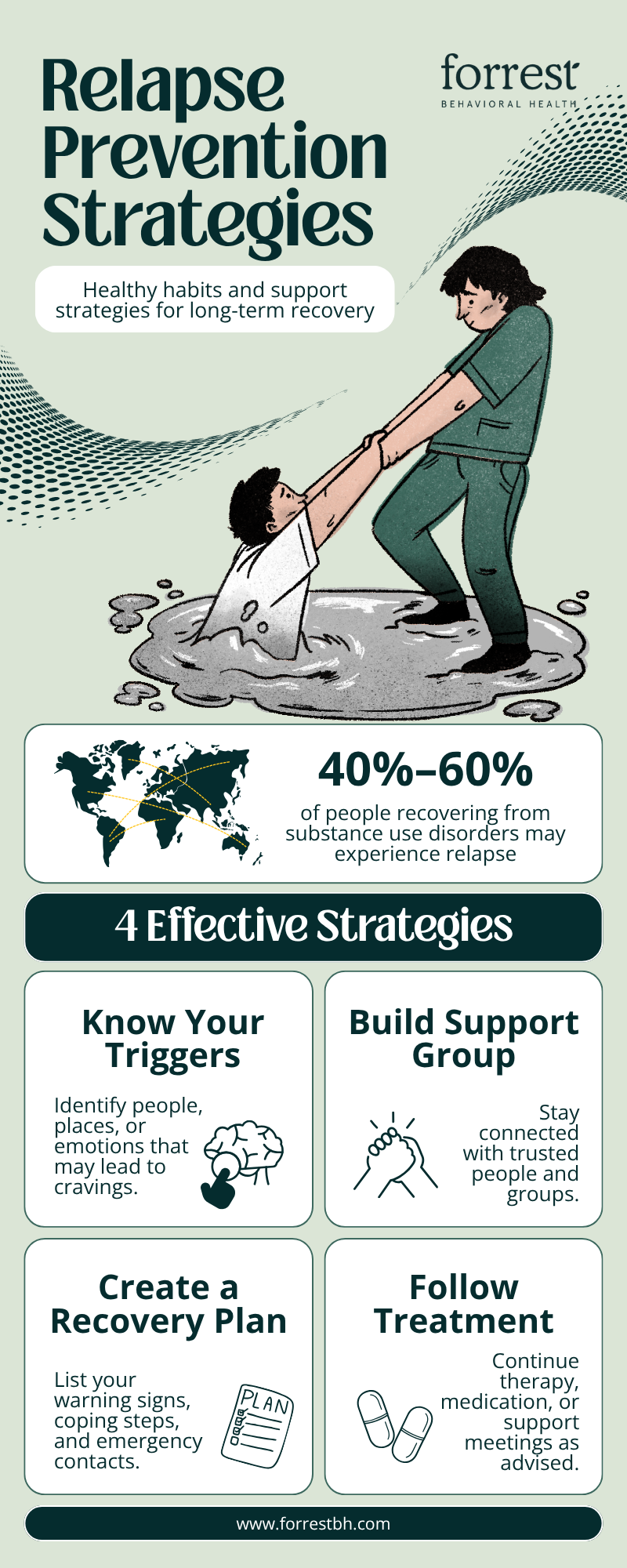
1. Identifying and Managing Triggers
When individuals return to daily life after IOP in Illinois, they come across their triggers and unhealthy conflicts linked to their past struggles.
These triggers can create emotional discomfort, negative thought patterns, and anxiety. It is important to detect those triggers and work on how to manage them.
2. Returning to Responsibilities
When individuals return to their daily life after IOP in Illinois, after a period of treatment and adjusting back to normal life.
Many people begin to feel occupied with household duties, expectations, job responsibilities, and social interactions all at once. It becomes difficult to balance these responsibilities while still focusing on recovery.
3. Balancing Independence With Ongoing Treatment
People want to regain their independence after IOP treatment. Long-term recovery is a gradual process, and it takes time; you need proper care after treatment to maintain it.
You need to find a healthy balance between taking your mental health treatment and your daily responsibilities. From attending individual therapy sessions to following self-care, you feel stable and confident during recovery.
Coping Strategies for a Smooth Transition
1. Maintaining Daily Routine
It can affect your daily life after IOP in Illinois, from morning to night, which is why having a schedule becomes important. You should focus on maintaining regular sleep, balanced meals, and planned daily activities.
First, prioritize nutritious food, which will support your body and mood. Also, adding hobbies such as painting and sketching helps your brain calm down.
2. Outpatient Therapy
After completing treatment, people are advised to choose outpatient therapy to proceed with their daily routine. It provides you with emotional support as you adjust to daily life and might come up with new mental health challenges.
The therapists can guide you on how to avoid triggers and manage them when they appear through coping skills.
3. Build a Relapse Prevention Plan
After completing mental health treatment, people commonly worry about relapse. To maintain stability, it is important to build a relapse prevention plan that includes trigger management and coping with situations with a daily routine guide.
“Recovery continues even after the Intensive Outpatient Program ends.”
The Importance of Routine in Recovery
A daily routine is an important part of recovery after IOP treatment. You should follow a structured schedule to help create stability and reduce stress in everyday life. From maintaining regular meals to going outside and connecting with others, individuals can gradually return to their normal routine more smoothly.
You will start to detect your triggers and manage your emotions more easily. Start your day with a simple plan, and acknowledging small achievements can help build confidence in your recovery.
Your Next Steps towards a Daily Routine
No doubt, shifting back to a daily routine after completion of the intensive outpatient program can be challenging, but it is not impossible. All you need is consistency, healthy habits, and a structured routine. People experience different emotional states during this phase.
These adjustments need time, and they are a normal part of the recovery journey. You need to stay connected with supportive people and focus on self-care to remain positive and focused on your journey.
If you completed IOP treatment and have difficulties managing your daily routine, then you can consider the Forrest Behavioral Health experts to guide you towards daily routine maintenance.