

How Lowell Mental Health Treatment Can Improve Your Relationships and Daily Life
What if simply working on your mental health could change everything around you, including the way you show up for the people who matter most to you?
Most people assume that struggling with your mental health just means dealing with a blue mood or some nerves. But the truth is, it runs much deeper than many people realize. And the reality is something else entirely. According to the National Institute of Mental Health, nearly 1 in 5 U.S. adults experiences a mental illness each year, making mental health challenges far more common than many people realise.
When constant worry, sadness, or burnout takes over, it can affect your relationships, confidence, work, and daily life. Even simple tasks may start to feel overwhelming, and stress can create distance between you and the people you care about. The best part is that with the right mental health support, you can learn to manage difficult emotions, strengthen relationships, and improve your overall quality of life.
At Forest Behavioral Health, we believe true healing means helping you reconnect with who you are at your core, not just handing you a pill or a symptom checklist and calling it a day. Our team shows up for you with real, grounded support that fits your actual life, helping you navigate life’s challenges, rebuild important connections, and create lasting positive change.
We’re going to walk through how getting mental health care in Lowell can help you feel closer to the people in your life, take back control of your everyday routine, and lay a strong emotional foundation that holds up over time.
What Types of Mental Health Services Are Available in Lowell, MA?
When you start looking into mental health treatment in Lowell, it’s honestly pretty eye-opening to see just how many different ways you can get support. Lowell Mental health treatment is not a one-size-fits-all approach.
Here is a practical overview of the services available:
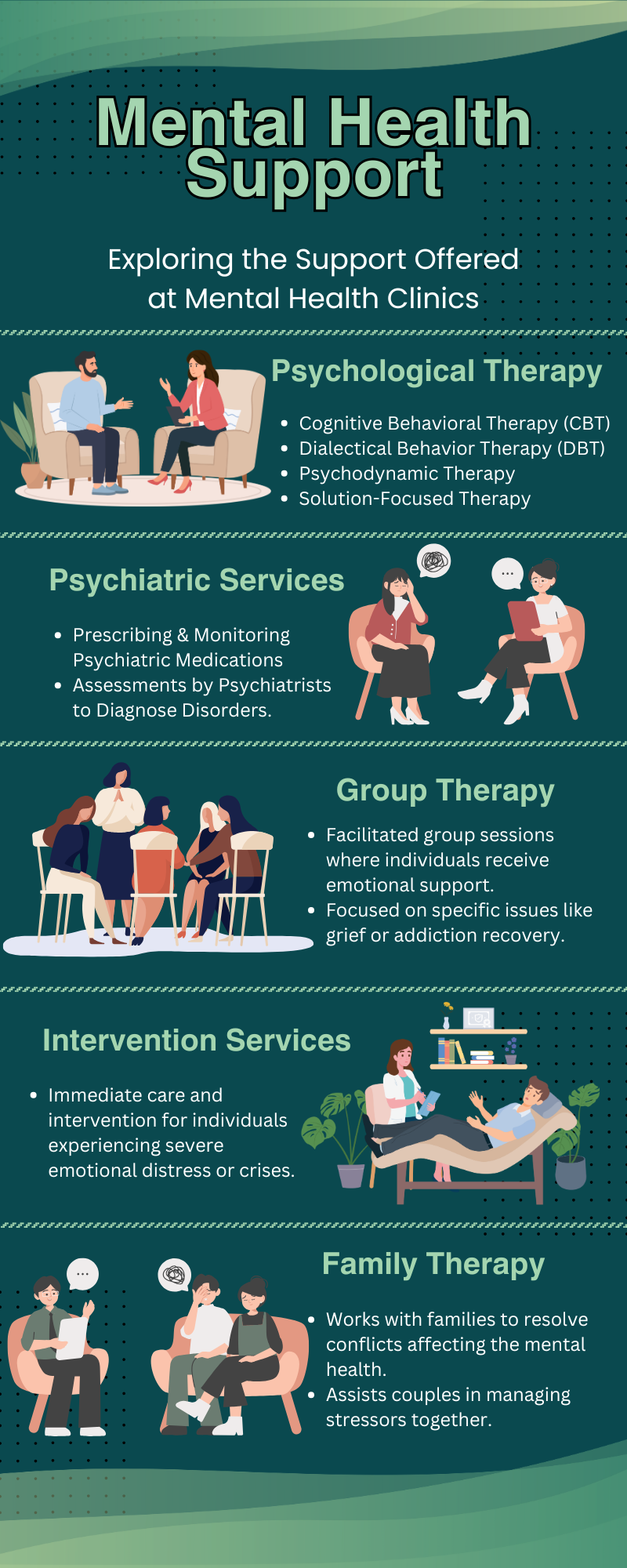
Outpatient Therapy & Counseling
This is usually what people think of first, and it’s super flexible. You attend scheduled appointments while continuing your regular daily activities. It typically involves:
- One-on-one therapy: A private space where you and a counselor sort through your challenges together.
- Family therapy: Bringing in the people closest to you to patch up communication or navigate tough times as a team.
- Group counseling: Sitting down with a handful of folks who get exactly what you are going through, so you realize you aren’t alone.
Medical & Psychiatric Support
Sometimes, therapy alone may not be enough, and medication can be an important part of treatment. This is where psychiatrists or psychiatric nurse practitioners come in. They are medical professionals who help you:
- Identify the underlying causes of your symptoms.
- Prescribe medications if that’s the right path for you.
- Keep a close eye on your progress and tweak things if you run into annoying side effects.
No matter what you’re dealing with, there is a mix of support out there that can fit your specific life.
Intensive Outpatient Programs (IOPs)
IOPs provide a middle ground between traditional outpatient therapy and inpatient care without requiring a hospital stay.
You’d show up a few times a week for group sessions and hands-on work around real stuff, like keeping your emotions in check and not letting stress take over. A lot of people are caught off guard by how much the group setting actually helps; there’s something quietly comforting about being in a room full of people who just get it without you having to explain yourself.
Crisis and Emergency Support
Sometimes a mental health crisis requires immediate intervention. Hospital-based psychiatric units and emergency departments provide immediate care when someone is in acute distress. If you or someone you love is in crisis, reach out right away. You don’t need to have everything figured out before asking for help.
How Mental Health Treatment Improves Daily Functioning
When life gets heavy, therapy and treatment aren’t just about sitting on a couch and “talking about your feelings.” It is way more practical than that. It’s really about getting your feet back under you when everything feels scattered.
Here is how it actually changes your day-to-day life:
Getting Your Routine and Balance Back
When you’re struggling, even getting out of bed or answering an email can feel like climbing a mountain. Treatment helps you restore structure and stability to daily life. A good therapist will help you:
- Build simple, realistic daily routines that don’t feel overwhelming.
- Break massive, scary tasks down into bite-sized steps.
- Fix your sleep schedule so you actually have some energy.
- Spot your emotional triggers before they completely derail your day.
Finding Coping Skills That Actually Work
While positive thinking can be helpful, it is often not enough to address significant mental health challenges. Treatment skips the toxic positivity and gives you real, actionable tools instead. You’ll learn:
- Quick grounding techniques to stop anxiety or panic in its tracks.
- Ways to ride out intense emotions without crashing.
- Habits that actually lower your baseline stress.
- How to catch unhelpful, looping thoughts and challenge and reframe them.
At the end of the day, these tools don’t magically make life’s problems disappear, but they make you a whole lot stronger and better prepared to handle them.
The Impact on Relationships: Healing Connections at Home and Beyond
Mental health doesn’t just affect you; the people closest to you feel it, too.
You Start Communicating Differently
Therapy helps you understand why you react the way you do. Over time, that means pausing instead of snapping, expressing your feelings without assigning blame, and actually listening instead of waiting to defend yourself. That shift alone can ease a surprising amount of tension at home, with friends, and even at work.
Closing the Distance
Not every relationship falls apart overnight; many simply grow distant over time. Therapy can help you recognize unhealthy patterns, improve communication, rebuild trust, and reconnect with the people who matter most. For many people, one of the most meaningful benefits of mental health treatment is seeing their relationships become stronger and more fulfilling.
Final Words
Mental health plays a major role in how we manage daily responsibilities, handle stress, and connect with the people around us. With the right support, it’s possible to build healthier habits, strengthen relationships, and create a more balanced, fulfilling life.
At Forest Behavioral Health, we provide compassionate, personalized care designed to help you achieve lasting emotional wellness, not just temporary relief. Our team is committed to helping you navigate challenges, develop effective coping skills, and move forward with confidence.
Contact Forest Behavioral Health today to learn how our Lowell mental health treatment programs can support your journey toward healing and growth.
Read Next: Returning to Daily Life After IOP in Illinois: What to Expect