

Relapse Prevention Is What Happens After Motivation Fades
Consider the nature of gravity. You may momentarily get out of it. Jump up into the air, ignore it a little. However, unless the proper mechanisms are established, it has got you. Recovery operates on similar physics. The initial escape from addiction, that first ascent into sobriety, is only the beginning. The actual problem does not lie in the launch. It’s staying in orbit.
Relapse does not come as one disastrous moment but as a row of small gravitational pulls, a stressful week, a trigger that was unexpected, or an hour of isolation that lasts too long. These pressures are built up, unheard, unseen, until one day you find yourself right back at the beginning.
This is exactly what happens with the people in Massachusetts who have attained initial recovery. They have finished detox, gone through the extreme first steps of treatment, and developed weeks or months of abstinence. They’ve done the hard work. However, the more difficult question is now, how can you hold it?
This article will discuss outpatient relapse prevention programs in Massachusetts, the dynamics that render long-term sobriety sustainable, and how such programs work to serve as the difference between temporary recovery and permanent change.
What Is an Outpatient Relapse Prevention Program?
Imagine it is a stabilization system. You’ve achieved liftoff, but you need continuous course correction to stay on trajectory. The outpatient relapse prevention program is just that: structured and ongoing support designed to recognize and counter the factors that pose a threat to your sobriety before they can develop sufficient momentum to drag you back.
In contrast to the early treatment programs that mainly aim at cessation and early recovery skills, relapse prevention works in a distinct time zone. It is constructed to last long, for weeks, months, and years after the acute crisis is over. The meetings are less common than intensive outpatient therapy. Maybe once or twice a week, but they are strategically scheduled to bring about a steady accountability and reinforcement.
The methodology is layered. The cognitive behavioral methods make you aware of the thoughts that lead to relapse before they happen. Identifying and managing triggers makes you learn how to chart out the environmental, emotional, and social stimuli that predispose risk. The development of coping skills also offers effective solutions to work around pressurizing situations without returning to the use of substances. Components are added as a protective layer one on top of the other, yet another system redundancy that keeps you stable.
The special effectiveness of outpatient relapse prevention is that it is integrated with real life. You do not live in a safe place, where temptation is in check. You are in the real world, complete with work pressures, relationship issues, financial difficulties, and boredom. The program trains you to operate in any of these real conditions, to develop resilience in the places that you really need it, and not some theorized future.
These programs are commonly provided in Massachusetts, and they consist of group therapy sessions in which you discuss strategies with other members in your group with similar issues, individual counseling based on your needs and risk factors, and occasionally medication management to treat a prior mental health problem or chronic craving. It is a holistic method that is adjusted to the fact that relapse prevention is not a single thing but a combination of everything.
The Relapse Science: The Pattern in Relapse
Relapse is patterned, a sequence mapped and studied for a long time. It hardly starts with the substance itself. It starts in the mind, even some weeks before it is put into any physical use.
First, there is emotional relapse: you cease to take care of your mental well-being, you isolate, and you repress your unpleasant emotions. Then mental relapse: you begin to fantasize about using, downplaying the consequences of how you would get away with this. Lastly, physical relapse: the literal reemergence. When you get this far, the process has been underway a lot longer than you thought.
Relapse prevention programs interrupt this sequence early. They teach you to see emotional relapse when it is merely the change in your habits, the loss of support groups, or the reversion to old ways of thinking. It is a thousand times better to intervene at this stage than to attempt to halt the process after mental obsession has established itself.
The neurological reality is also important to be familiar with. Addiction not only rewires the reward circuitry in the brain, but the changes do not vanish as soon as you become sober. Neural circuits reinforced through frequent substance use do not disappear but lie in an inactive state waiting to be reinstated under the appropriate conditions. The principle of relapse prevention operates through the establishment of alternative pathways, new relationships, new reactions to stress and pain, and new sources of pleasure and satisfaction that do not include substances.
Why Select an Outpatient Relapse Prevention Program in Massachusetts?
Massachusetts is rich in resources: evidence-based programs, years of research in mental health disorders, licensed clinicians who are aware of the unique challenges of sobriety maintenance in the social and cultural environment of New England, and flexible schedules that consider work and family demands.
The outpatient system is important since sustainability cannot be achieved without integration and in isolation. You are creating your life in recovery, and that life is in Massachusetts. Your work, your relationships, your everyday surroundings.
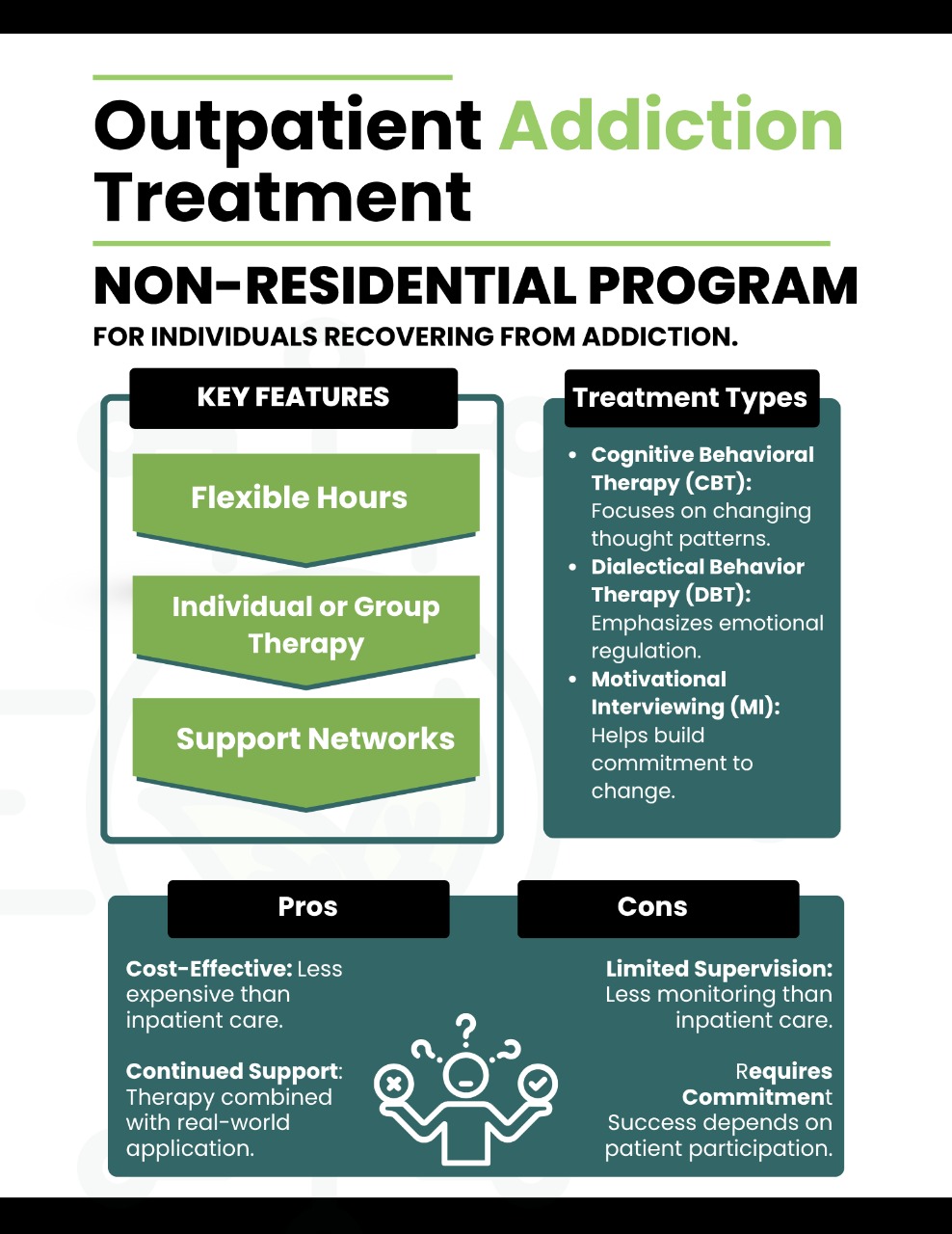
A relapse prevention program, in this case, will assist you to negotiate these particular realities as well as give you the clinical format that holds you responsible.
There is no place of recovery that you arrive at and leave. It is a path that you follow by consistent effort. Outpatient relapse prevention programs provide the guidance system. The path is open, yet you do not have to go through it by yourself.
Take The Next Step With Forrest Behavioral Health
You don’t need to figure this out by yourself.
Forrest Behavioral Health provides real-life outpatient relapse prevention programs. Adaptable working hours that fit around your work. The evidence-based therapy that really works. A team that understands because they have assisted hundreds of others to navigate through what you are going through.
You have already made the most difficult part. Now let’s make sure it sticks.
Call us today. Let’s talk about what relapse prevention looks like for you specifically. Not some generic program. Your program.