

How to Talk to Your Family About Starting Mental Health Treatment
Sure, the beliefs about mental health have changed, but some stigma remains. Even research proves that some people still view someone with a mental health condition differently and aren’t sure how to feel about these problems.
And that’s one of the reasons people don’t openly discuss their need for mental health treatment, even if it’s with family. They assume certain notions or reactions and don’t share what’s weighing them down.
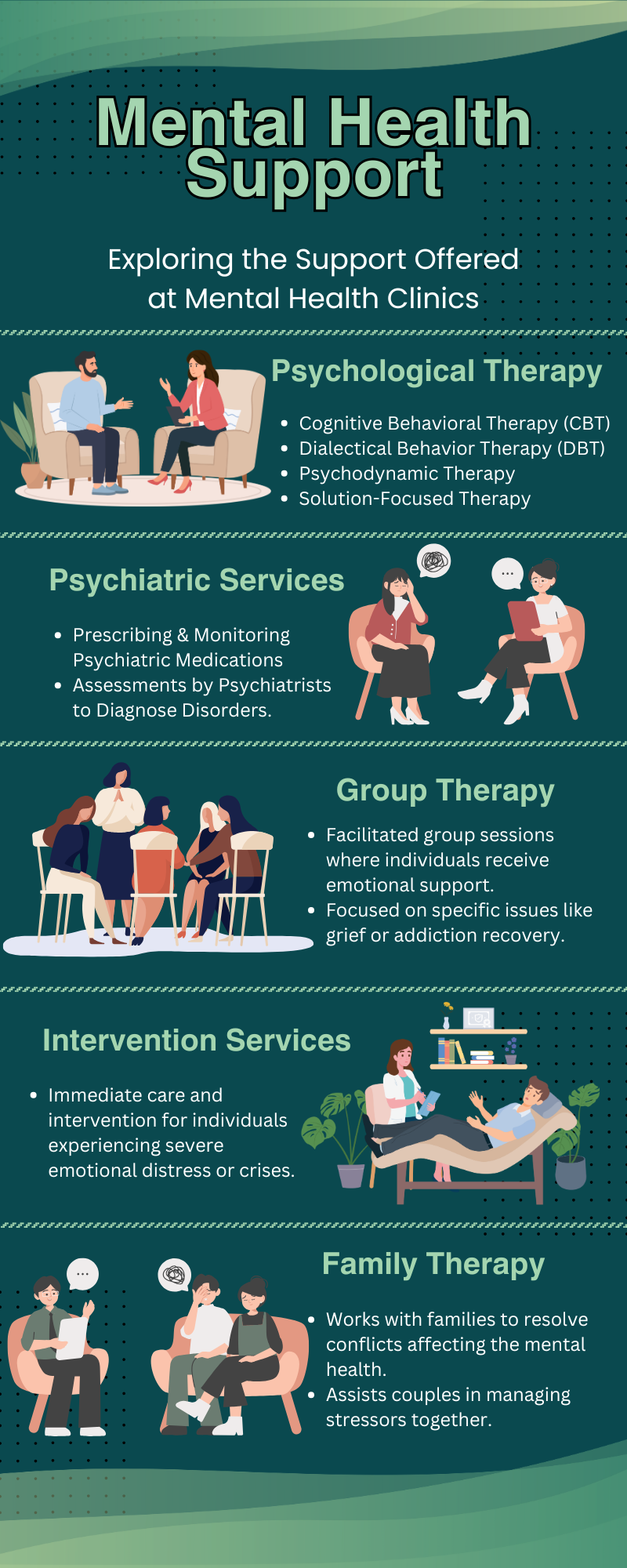
But! If you have decided to start mental health treatment, you’re already past the difficult point because a lot of people don’t acknowledge their need for help. At this point, you only have to let important people know that you’re starting therapy, an intensive outpatient program, or an inpatient rehab to work on your mental health.
Do you think that’s a tricky step? We got you. Keep reading for a few actually practical tips that’ll help you share your plan of action without letting anyone drain or make you double-minded. Let’s go.
How to Tell the Family You’re Starting Mental Health Treatment?
Family dynamics depend on one’s culture, exposure to the world, and religion – some are more accommodating while others hold their beliefs tight. Whatever your situation is, discussing mental health treatment could always be a difficult subject. But when you, i.e., the person who sees the need to get treated, are ready, someone else’s views shouldn’t impact you much.
Here are some tips to carry this conversation smoothly and not let it daze you:
Pick an Ordinary Moment
The environment and timing of serious discussions matter. For example, if you bring up your mental health treatment during an argument or when someone is super busy, their first response will come from that particular feeling. That reactive response can then take the entire conversation in a direction you didn’t want.
Therefore, discuss it in a calm moment when nobody is rushed or already thinking about something else. Also know that people absorb difficult or unexpected information better when they are not already dealing with something.
Lead With What You Need
Venting and informing are two different things. Only saying that “I’ve been struggling mentally” hands the other person a problem with no direction. And people who don’t know what to do with information tend to either panic or pass unhelpful remarks.
On the other hand, if you start the discussion with a statement like “I’ve decided to start therapy, and I want you to know,” it’s easier for both sides. It essentially means you’re telling them what is happening and what you are doing about it. That clarity signals that you have thought this through and are not looking for permission.
You Don’t Owe Them a Full Explanation
When we’re already feeling vulnerable, we tend to over-explain. For example, someone might get to the beginning of their mental health journey and share every difficult moment to build a case. But the truth is, you don’t have to convince others of why your struggle is legitimate enough to deserve treatment.
Therefore, mental health experts at Forrest Behavioral Health recommend sharing only the important information. You can only say, “I can’t manage my emotions the way I want to, and I need professional help to fix that.” Anything you say beyond that is usually just you trying to avoid judgment. But know that unsupportive people will find a reason regardless of how thorough your explanation is, so say what you need and leave it there.
Prepare For Silence, and Don’t Fill it With Backtracking
Everyone’s way of responding is different – some go quiet, and others visibly get anxious or excited upon hearing the news. When you talk to your family about starting mental health treatment, someone could go silent, and you’ll likely interpret that silence as their disapproval.
However, that situation is mostly someone taking a moment to process new information. It’s also true that if the next person doesn’t engage in that conversation, you could get nervous and start backtracking. For example, you may say, “I mean, it’s not that serious” or “I’m mostly fine, don’t worry about it.” We do that during difficult conversations so others don’t worry. But in this particular situation, downplaying or softening your decision will hand them an exit from taking you seriously. So if there is a cold reaction or silence, sit with it.
Expect Some Responses to be Clumsy
Besides silence or awkward pauses, someone in the family will probably say the wrong thing. Comments like “Have you tried just staying positive?” or “Are you sure you need therapy?” are common responses. You should be clear that everyone’s mental health literacy is different, and for a lot of people, their first instinct is to minimize. When you talk while knowing this fact, it keeps you from taking an awkward response as a verdict or shutting down.
Address the Burden Feeling
It’s normal to believe that you’ll overwhelm the family by starting mental health treatment. But if you make them feel heard, it makes the transition smoother. Telling them, “I know you’re already doing a lot, but discussing and starting treatment is important for my well-being.”
Being considerate immediately lowers the stakes for everyone in the room. Also, naming the thing you were most anxious about removes its power over the conversation.
Tell One Person First if Telling the Whole Family Feels Impossible
You can only share your treatment details with one person if a family discussion feels too much (which it often is). Talk to someone you bond with the most and tell them you’re starting treatment.
Doing so will get you out of your own head because you have now said it out loud to someone and survived that. And this sharing also gives you an ally who knows and can help hold the room if another family conversation happens.
The Loop Ends Here
Most people who need help don’t even get to the point where you are. They remain stuck in the cycle of knowing something is wrong and doing nothing about it. But you have broken that cycle, and real healing is not far from here. You made a clear-headed decision; now get expert help and see it through. Your future version is excitedly waiting for you to complete this journey.