
From Crayons to Confidence: Why November’s Early Childhood Mental Health Awareness Month Matters in Concord, MA
You know what nobody tells you about Concord? That even in a town with excellent schools, historic charm, and families who seem to have it all figured out, kids still struggle.
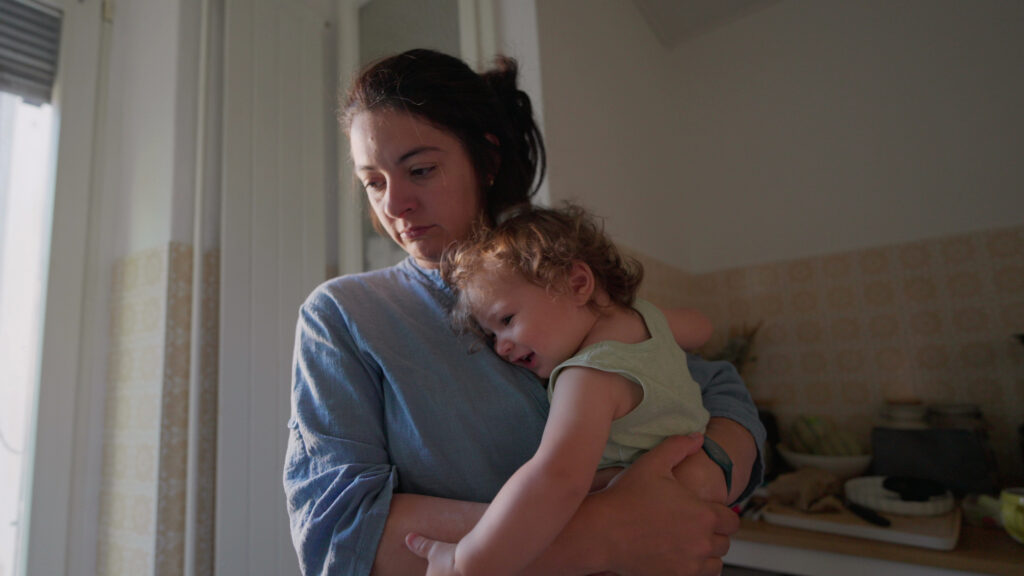
Stand outside Alcott Elementary on any given morning. Watch the drop-off. Most kids jump out of minivans, all set. Yet, there’s always one who won’t let go of their parent’s hand. Kids who hit their classmates when they get too close.
Sound familiar? People might have told you that it is just a stage; they will grow out of it. Except it’s November. Early Childhood Mental Health Awareness Month. And maybe it’s time we stopped pretending that mental health only matters after kids can spell it.
The truth is, when a four-year-old can’t manage their emotions, they aren’t being “difficult.” Instead, their brain is trying to tell us something. What happens when we ignore those signals? They sink deeper. Shaping the way that child learns to see and feel the world.
Why Parents Wait Too Long
Parents don’t want to “label” their kid. So they wait. Hope it’s a phase. Tell themselves it’ll click when their child starts school.
Teachers can sense something is wrong, but they’re not clinicians. They can only hint. Suggest. Recommend “maybe talking to someone.” The irony is that many parents hear those suggestions as criticism.
And the kid? The kid keeps struggling. Keeps getting branded as “the problem child.” When really, they just need help; their brain isn’t wired to ask for it yet.
What’s Happening Inside Those Little Heads
Let’s talk about what’s going on inside that tiny skull.
Birth to age five? That’s when 90% of brain development happens. Think of it like building a house. Right now, they’re pouring the foundation. Framing the walls. Installing the wiring. Everything that comes later sits on top of what gets built now.
This is when kids learn how to handle big feelings. When traumatic events or genetics interfere, their brain cannot develop that rightly. You may add all the rooms you wish, but the entire structure is going to be crooked.
Emotional regulation? That comes from the prefrontal cortex. However, that part is hardly present in young children. It won’t finish cooking until their mid-20s. Right now, they’re running mostly on their amygdala. The alarm bell. The part that screams “DANGER!” over everything.
The Red Flags People Miss
You’re looking for big symptoms. Neon signs. Nevertheless, mental health problems in young children don’t always make a big announcement.
- Separation anxiety that won’t quit.
The majority of toddlers experience a clingy stage. It is no longer usual when your 4-year-old still cannot stand it when you walk out of the room. - Extreme reactions to minor shifts.
All kids like routine, but if switching breakfast cereals triggers a 45-minute meltdown, something deeper is screaming. - Constant aggression.
Hitting, biting, throwing things. Not once in a while when they’re frustrated. Rather, as their first language for anything uncomfortable. - Withdrawal.
They don’t want to play with other kids. Don’t engage. Seem disconnected. People say they’re “just introverted.” It is important to understand the differences between introverted and checked out. - Sleep that’s a war zone.
Nightmares every single night. Refusing to sleep alone. Waking up terrified. Not for a week or two. For months. - Going backward.
They were potty-trained. Now they’re not. They were talking. Now they’ve gone quiet. Regression is your child’s brain waving a white flag.
You see these things. You mention them to your loved ones. Everyone has a theory. “They’re just sensitive.” Or “Every kid develops at their own pace.”
Sure. That’s all true. What else is true is that early intervention can change lives. Therefore, waiting to see if they “outgrow it” can mean missing the window when help is easiest.
Why November Matters In Concord, MA
Early Childhood Mental Health Awareness Month isn’t just another ribbon campaign. It exists because babies and toddlers get forgotten.
Teenagers get mental health attention. Adults do too. But preschoolers? There’s this myth that they’re too young to have “real” problems. That childhood should be bubble-wrapped innocence. That bringing psychology into it somehow ruins the magic.
Ignoring a child’s emotional struggles doesn’t protect them. It just leaves them alone in a storm they can’t understand with feelings bigger than their body. November is a reminder that mental health doesn’t start at age 13. It starts at birth. So, the earlier you step in, the better the outcome.
In Concord, you have access. Good mental health support centers. Pediatricians who care. A community that values development.
What Mental Health Support Looks Like for Kids
You’re picturing a preschooler on a couch talking about their feelings. That’s not how this works.
Play Therapy
This is where the real work happens. Kids don’t have the words to explain what’s going on inside. Now give them dolls, blocks, or puppets? They’ll show you everything.
A trained therapist watches how your child plays. What themes come up? How they handle frustration when the tower falls. How they interact with boundaries. With the therapist. With their own big feelings.
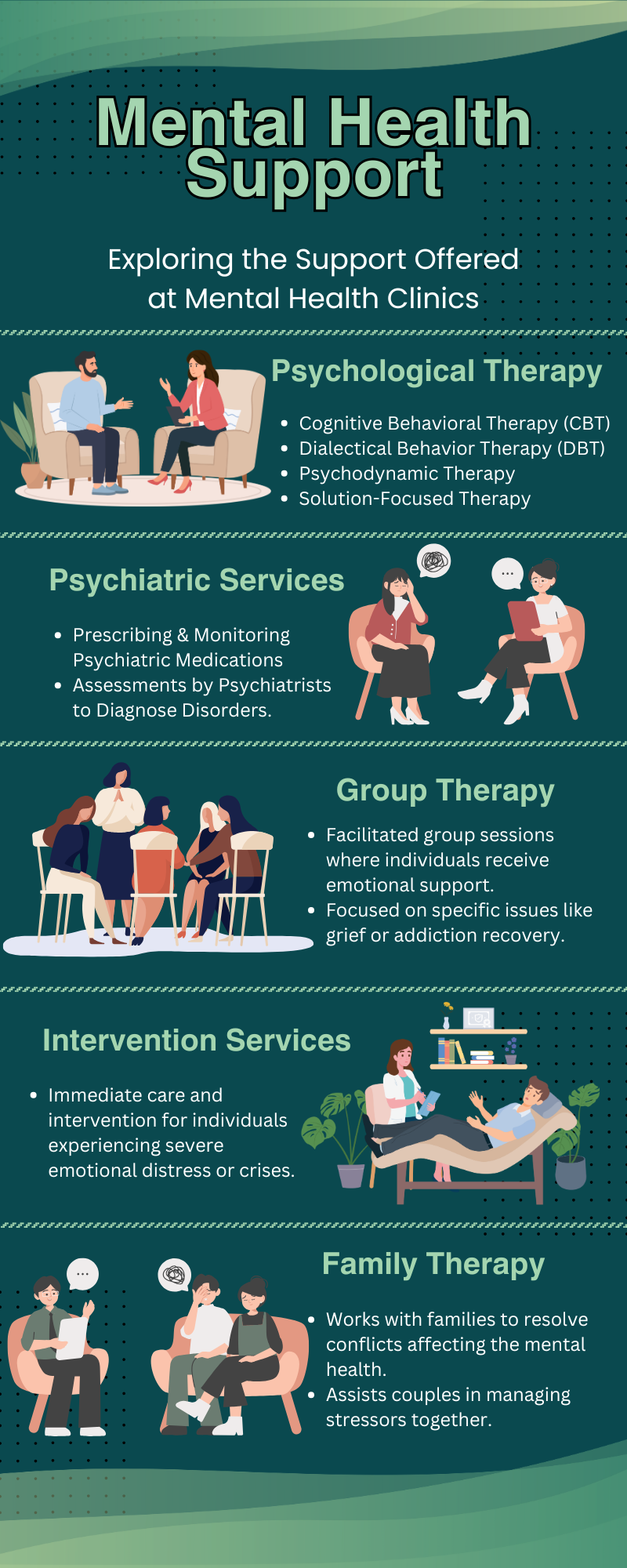
Through that play, the therapist helps your child work through what they can’t say out loud. Teaches them skills. Gives them tools. In a way that feels like recess, not treatment.
Parent-Child Interaction Therapy
It teaches you how to respond differently. How to set boundaries without lighting a match. How to validate emotions without rewarding the behavior. How to be their calm when their nervous system is all static.
This isn’t about you screwing up. You’re doing your best with a situation that’s hard. But sometimes you need someone to show you the techniques that actually work.
Final Words
November is Early Childhood Mental Health Awareness Month. Still, awareness only matters if it actually leads somewhere.
Your child doesn’t need to fight their way through childhood. Early childhood mental health treatment in Concord can help. The crayons and Play-Doh and toy bins aren’t just distractions. They’re tools. Languages for kids who don’t have the words yet. Ways to build skills their brains are desperate to learn.
Forrest Behavioral Health Center gets it. We work with young kids. With their families. With the whole messy, beautiful picture. Call us. November’s a good time to start paying attention. Well, really, any month works. Your kid’s brain is building itself right now. Let’s make sure it’s building something that lasts.