

High-Functioning Anxiety: Signs You Shouldn’t Ignore
When it comes to high-functioning anxiety, over 40 million individuals struggle with chronic worry, perfectionism, and overthinking on a daily basis. In the state of Massachusetts, these individuals put their mental health on the backseat simply because their professional and personal responsibilities are so demanding and they don’t have time to slow down over what they’re feeling.
As a result, over 60% of individuals end up suffering from burnout, which not only impacts their overall well-being but also renders them emotionally and physically exhausted in most cases.
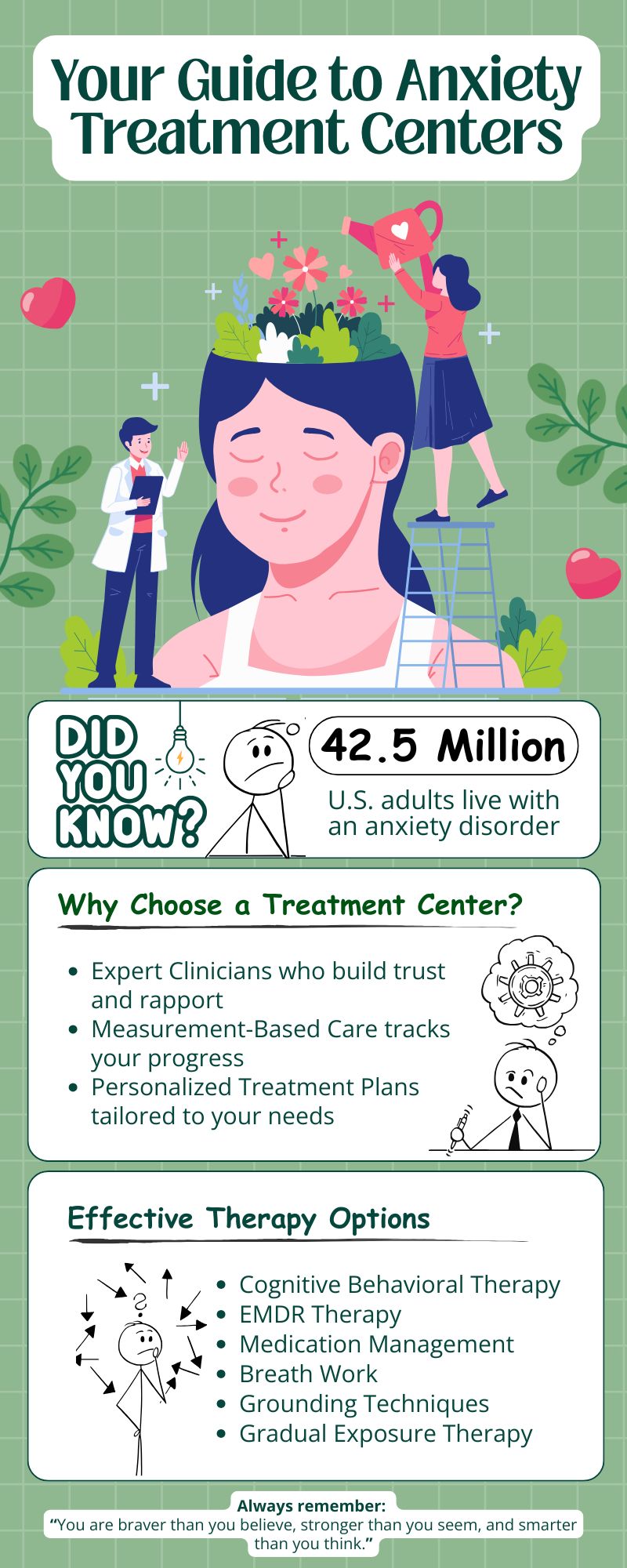
An excellent solution to this situation is a mental healthcare facility that specifically focuses on treating high-functioning anxiety. But before you sign up for one, you need to know the signs of this condition and when you should seek help. Today, let’s talk about it in detail and see how a professional anxiety treatment program can help you regain control without disrupting your daily life.
The Illusion of Ultimate Control
High-functioning anxiety is incredibly deceptive. Because you are hitting your targets and managing your outward responsibilities, neither your colleagues nor your family may realize that you are internally drowning. The illness hides behind a mask of intense competence.
The “Perfect” Facade
The problem with high-functioning anxiety is that it makes you believe that you are in control of everything. When in reality, you have absolute competence, decisiveness, and control over the outside world, it makes you assume that you will have the same level of control on the inside as well. However, that doesn’t happen. Instead,
- You feel constant pressure about the outcome of every situation.
- Your mind operates as a perpetual engine of catastrophic “what-ifs.”
- You spend hours preparing for important meetings to ensure you cannot possibly be caught off guard.
- You script entire conversations in your head before they happen.
This facade requires a monumental amount of cognitive energy to maintain. The discrepancy between how capable you look and how terrified you feel creates a profound sense of isolation, convincing you that if anyone saw the “real” you, they would lose all respect for your abilities.
Procrastination and Perfectionism
We often view perfectionism as a positive trait in the corporate world.
However, clinical perfectionism is actually a recognized trauma and fear response. It is the desperate belief that if you just do everything flawlessly, you can protect yourself from criticism, failure, or rejection.
When you start to procrastinate over small decisions and important tasks, it literally paralyzes your decision-making, which is easily disguised to the outside world as simply having high standards. You might delay launching a project or finalizing a report because the anxiety of it not being perfect is too painful to confront. You wait until the last possible minute, using the adrenaline of a looming deadline to finally force yourself to complete the task.
This cycle is incredibly punishing and completely unsustainable over a long career.
The Physical Cost of Chronic Hyperarousal
You can lie to your boss, and you can lie to your spouse, but you cannot lie to your own biology. When you ignore psychological stress, your body will eventually force you to pay attention through physical pain.
A Nervous System on Fire
Anxiety is not just a pattern of worried thoughts. It is a severe physiological event. When you live in a state of constant, high-functioning anxiety, your brain continuously pumps cortisol and adrenaline into your bloodstream. Your body believes you are actively fighting off a physical threat.
We must break down the somatic symptoms of ignoring this chronic hyperarousal. Clients frequently report debilitating tension headaches, severe jaw clenching that leads to dental damage, and chronic gastrointestinal issues.
Furthermore, the inability to fall asleep despite pure exhaustion is a hallmark sign. Your body is physically desperate for rest, but your nervous system is too heavily flooded with adrenaline to allow your brain to power down.
The “Crash” Cycle
Because high-achievers rely on cortisol to get through the workweek, their bodies develop a highly destructive rhythm. We frequently discuss how individuals with high-functioning anxiety push through Monday to Friday entirely on adrenaline.
However, the moment the immediate pressure lifts, the body demands payment. This results in the “crash” cycle, where professionals completely physically collapse on the weekends.
You might spend your entire Saturday unable to get off the couch, suffering from migraines or mysterious flu-like symptoms. You are not relaxing; you are simply recovering from the physiological damage of the workweek, only to start the punishing cycle all over again on Monday morning.
Breaking the Cycle of Avoidance
Admitting that you have lost control of your anxiety feels like a massive failure to someone whose entire identity is built on competence. This pride often keeps individuals suffering in silence for years. At Forrest Behavioral Health, we understand how hard it is to take the first step. But it is also extremely crucial.
The Danger of “White-Knuckling”
We must address the dangerous reality that high-achievers rarely ask for proactive help. They view therapy as a weakness rather than a strategic tool for optimization. Instead of seeking intervention, they choose to “white-knuckle” their way through the panic attacks and the insomnia.
This avoidance almost always guarantees that the intervention will only happen after a major crisis forces their hand. They wait until they experience a cardiovascular health scare, make a massive, uncharacteristic career mistake due to exhaustion, or face a divorce because they have been emotionally absent for years. We urge you to seek stabilization before the foundation completely cracks.
Escaping the Need to Numb
When your brain refuses to shut off, you will eventually look for an external volume knob. We heavily validate how often driven individuals use alcohol or prescription medications not to party, but simply to turn their brains off at the end of the day.
The nightly glass of wine quickly turns into a bottle because alcohol acts as a highly effective central nervous system depressant. It provides a temporary, artificial sense of calm.
However, relying on this chemical crutch creates a dangerous secondary issue. As the alcohol wears off, the brain rebounds, causing your baseline anxiety to spike even higher the following morning. You are suddenly caught in a silent, co-occurring cycle of anxiety and substance dependency.
Claim Your Future: The Next Step in Your Recovery
Your drive and ambition are incredible assets, but they should not require you to sacrifice your physical health, your peace of mind, or your family life. You can achieve massive success without running your engine into the ground.
Stop letting anxiety dictate your life and limit your joy. Reach out to Forrest Behavioral Health’s clinical team for a highly confidential, career-safe assessment today. We provide the privacy and the expertise required to help you regain your mental wealth.
If you or a loved one is struggling with high-functioning anxiety, call us now at (781) 570-5781 to take the next step. Let us help you find your calm and optimize your future.