
Forrest Behavioral Health

Alumni and Long-Term Relapse Prevention Programs

Alumni and Long-Term Relapse Prevention Programs
 

Alumni and Long-Term Relapse Prevention Programs

Definition: Alumni and long-term relapse prevention programs are structured support systems designed to continue addiction treatment. These programs help patients maintain long-term recovery by guiding them in managing triggers and strengthening coping strategies. It will help you stay consistently connected to recovery-focused support. 

How Alumni and Relapse Prevention Programs Work?

Alumni and long-term relapse prevention programs are supportive services that help patients continue building stability after being discharged from rehab. These programs assist individuals in coping with difficult situations that commonly challenge people in recovery. They include structured techniques that teach patients how to recognize triggers and manage cravings. If a relapse does occur, then these programs encourage immediate connection with mental health professionals.

Key Takeways

  • Alumni and long-term relapse prevention programs are designed to support recovery after rehab discharge.
  • These programs will help individuals to maintain stability and manage their addiction challenges.
  • The relapse prevention strategies focus on detecting the triggers and teaching the coping strategies effectively.
  • The ongoing communities and professional support can prevent the relapse.
  • Relapse prevention participation can also take place virtually, which improves feasibility as well as flexibility for treatment and enhances overall awareness.

Key Components of Alumni and Relapse Prevention Programs

While programs depend on the mental health treatment type, most of the effective alumni and relapse prevention programs are described below:

Peer Support Networks: 

The patient connects with people who have the same challenges and share similar experiences in a safe environment. The peer relationship helps you to make your healing journey easy by coping with addiction challenges and reducing the feeling of isolation.

Regular Check-ins: 

When you attend scheduled meetings weekly or monthly. The professionals help you to keep a record of your emotional stability. They teach you how to deal with a relapse.

Sober Social Activities:

The group activities include events such as workshops or outings, along with volunteer work. It encourages healthy socialization without substance use.

Access to Continued Care: 

There are many programs for alumni that allow access to counselors and recovery coaches. They also provide weekly or monthly group therapy sessions.

Educational Resources: 

The ongoing education has one goal: to prevent relapse. It is designed with strategies for emotional regulation and stress management, along with a lifestyle balance.

Why Long-Term Relapse Prevention Matters?

Addiction is a chronic condition, and it needs long-term management, which is essential. After detox or rehab treatment, a relapse risk exists. It is important to participate in Relapse Prevention so you can effectively deal with a relapse and can quickly return to your responsibilities.

The long-term relapse prevention programs specifically address these elements:

Emotional Stressors: 

Emotional stressors such as anxiety or guilt can increase the risk of addiction and relapse. To prevent relapse, it is important to recognize early emotional warning signs and respond with healthy coping strategies.

Environmental Triggers: 

Environmental triggers include places, routines, or situations associated with past substance use. Individuals are encouraged to stay away from the risk-associated environments. Also, it is better to learn how to manage the exposure safely when avoidance is not an option.

Social Pressure: 

Social pressure may come from friends, family members, or social circles where substance use is present. Relapse prevention programs teach patients how to set healthy boundaries and refuse substances confidently. 

Mental Health Challenges: 

Mental health challenges such as anxiety, depression, or trauma can increase the risk of relapse if left untreated. By providing structured and consistent support along with alumni programs, individuals can identify mental health challenges early and respond with healthier coping mechanisms.

“Healing becomes permanent when you are connected to support.”

Why You Should Choose Alumni and Long-Term Relapse Prevention Programs?

There are multiple benefits a patient can get after enrolling in the Alumni and Long-term relapse prevention program. The ongoing mental health support reduces the risk of relapse and helps patients build emotional stability. If the patient is engaging with people regularly with peers, it prevents loneliness – a common trigger for relapse. 

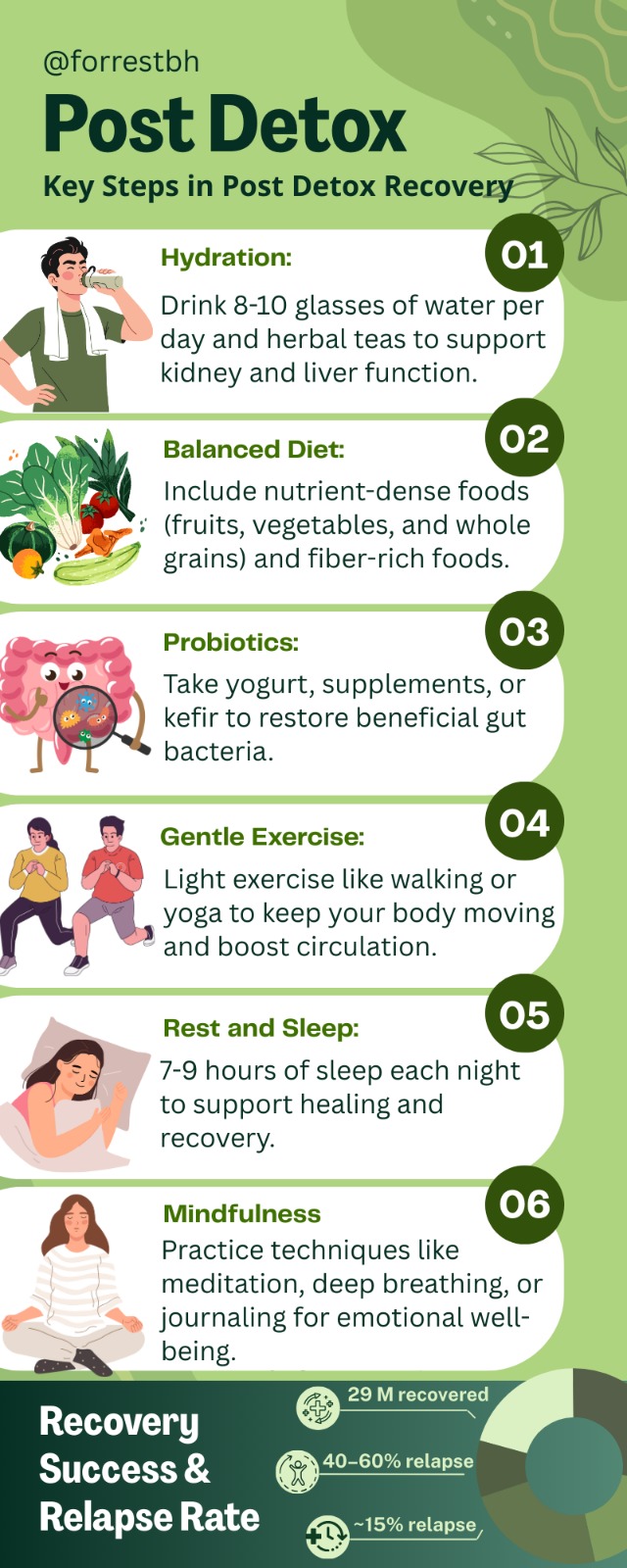
According to statistics, approximately 40–60% of individuals relapse within the first year after completing addiction treatment or rehab.

The alumni programs help participants continue practicing coping skills to handle challenging situations effectively. The participants rebuild their lives while staying connected to a supportive and recovery-focused community. The long-term support helps individuals trust their ability to manage challenges independently.

Why Digital Alumni Programs are Gaining Popularity?

Many alumni programs now offer digital resources to support long-term recovery alongside in-person or virtual care. These resources often include private sessions with mental health professionals. Also, they provide discussion forums and educational articles or guides. Digital alumni platforms are becoming popular because they offer easy access and ongoing connection after rehab.

1. Keeps Visitors Engaged

As there are many helpful articles and joint discussions, people are interested in spending more time on the website. This engagement reflects their interest in recovery support and increases the chance of seeking virtual care.

2. Provides Consistent Access to Support

Many people now search for help online. Articles, guides, and newsletters offer reliable information whenever it is needed. These resources encourage them to build a habit of taking guidance and reassurance.

3. Encourages Regular Participation

Active features like discussion boards, online workshops, and virtual events help them to build a community. The regular participation strengthens connections and boosts accountability.

“Stability comes from consistent prevention.”

Ensuring Lasting Recovery

Alumni and Long-Term Relapse Prevention Programs are essential for sustaining long-term recovery. By providing both in-person and digital support, these programs allow individuals to seek guidance from experienced mental health professionals after completing rehab. They address a range of challenges, from emotional stress to social pressure. It is helping patients to manage triggers and build healthy coping strategies. 

Beyond improving recovery outcomes, these programs also strengthen connections with family, peers, and the wider community that support sobriety. 

If you have recently been discharged from rehab and want to continue relapse prevention support, connect with Forrest Behavioral Health to speak with an experienced mental health professional.

Forrest Behavioral Health

Are you ready to overcome your addiction or learn more about our treatment programs? We are here for you.

leaf

Need treatment?

Get a call to start your recovery journey.

"*" indicates required fields

Other Posts

Verify Approval for www.forrestbh.com

Are you ready to overcome addiction? We encourage you to request a phone call from a recovery specialist.

"*" indicates required fields