
Coping with Holiday Season Anxiety: How a Mental Health IOP in Lexington, MA Can Help
The holiday season is supposed to be a time to slow down, reconnect with family, and enjoy a break from everyday responsibilities. For many working professionals, however, December brings another round of deadlines, year-end targets, social commitments, and family expectations.
According to the American Psychiatric Association’s 2025 Healthy Minds Poll, 41% of U.S. adults anticipated experiencing more holiday-related stress than they did the previous year. For professionals in Lexington and the surrounding Route 128 corridor, managing these competing demands can become particularly difficult.
Recognizing when seasonal stress starts affecting your mental health can help you seek support before it becomes harder to manage.
The Unique Triggers of Holiday Anxiety for High Achievers
Year-End Corporate Burnout, Stress and Executive Functioning
For high-achieving professionals working in demanding industries, the Q4 quarter, or final months of the year, often brings along a combination of stressors. The pressure to complete projects and meet performance targets is intense.
The problem is, despite having holidays right around the corner, these responsibilities do not disappear. In fact, they take a backseat because now networking events, personal commitments and family obligations are added on top of the workload.
In such situations, a lot of professionals struggle with prolonged stress, which directly impacts concentration, memory, sleep and even decision-making. As a result, individuals may find it difficult to even focus. This can be particularly frustrating for people who are used to being productive and in control of their schedules.
Navigating Family Dynamics and Seasonal Grief
For healthy families, the holiday season is an awesome time. But for others, holiday gatherings bring along emotional challenges. Spending time with relatives and family members often causes stress, anxiety and even emotional distress. The memories of earlier years of celebration with the family.
For some, the holidays are also a reminder of someone they have lost recently. Thus coping with the loss is more difficult in December. These emotional experiences can contribute to anxiety, sadness, irritability, and emotional exhaustion. Rather than dismissing these feelings as temporary holiday stress, it is worth paying attention to how frequently they occur and whether they begin interfering with everyday life.
Why Pushing Through December Does Not Always Work
The Risk of Using Alcohol to Manage Holiday Stress
Alcohol is often part of corporate celebrations, family dinners, and seasonal gatherings. For someone already experiencing anxiety, having a drink may seem like an easy way to relax or feel more comfortable in social situations.
The difficulty begins when drinking becomes a regular way of managing stress. Someone may start relying on alcohol after particularly demanding workdays or before attending events they find uncomfortable. What initially feels like occasional relaxation can gradually become a pattern that is difficult to control.
Although alcohol can temporarily produce feelings of relaxation, its effects on the nervous system can contribute to anxiety, disrupted sleep, and changes in mood as it leaves the body. Repeatedly using it to manage stress can also make it harder to develop healthier coping strategies.
Recognizing When Holiday Stress Becomes a Mental Health Concern
Some stress during the holidays is expected, but persistent symptoms should not be ignored. Difficulty sleeping, frequent irritability, constant worrying, and trouble concentrating may indicate that someone is struggling with more than a busy schedule.
Physical symptoms can also accompany prolonged anxiety. Some people experience muscle tension, headaches, digestive discomfort, or episodes of rapid heartbeat. Others begin withdrawing from social activities or find it increasingly difficult to manage their professional responsibilities.
The important distinction is how these symptoms affect everyday functioning. If anxiety is interfering with sleep, relationships, work performance, or the ability to enjoy activities, speaking with a qualified professional can help clarify what kind of support may be needed.
How a Mental Health IOP Can Help During the Holiday Season
Flexible Outpatient Treatment Near Lexington, MA
An Intensive Outpatient Program (IOP) provides structured mental health treatment for people who need more support than traditional weekly therapy but do not require inpatient care. Participants attend scheduled treatment sessions and return home afterward, allowing them to maintain certain personal and professional responsibilities.
Forrest Behavioral Health in Bedford offers several levels of outpatient care, including traditional IOP and evening IOP. Its evening option may be particularly relevant for professionals and students who need treatment outside regular working hours. The standard IOP involves approximately three hours of treatment on several days each week, while PHP provides a more intensive daytime schedule.
The appropriate schedule depends on individual clinical needs, so it is important to discuss work commitments and treatment expectations during the initial assessment.
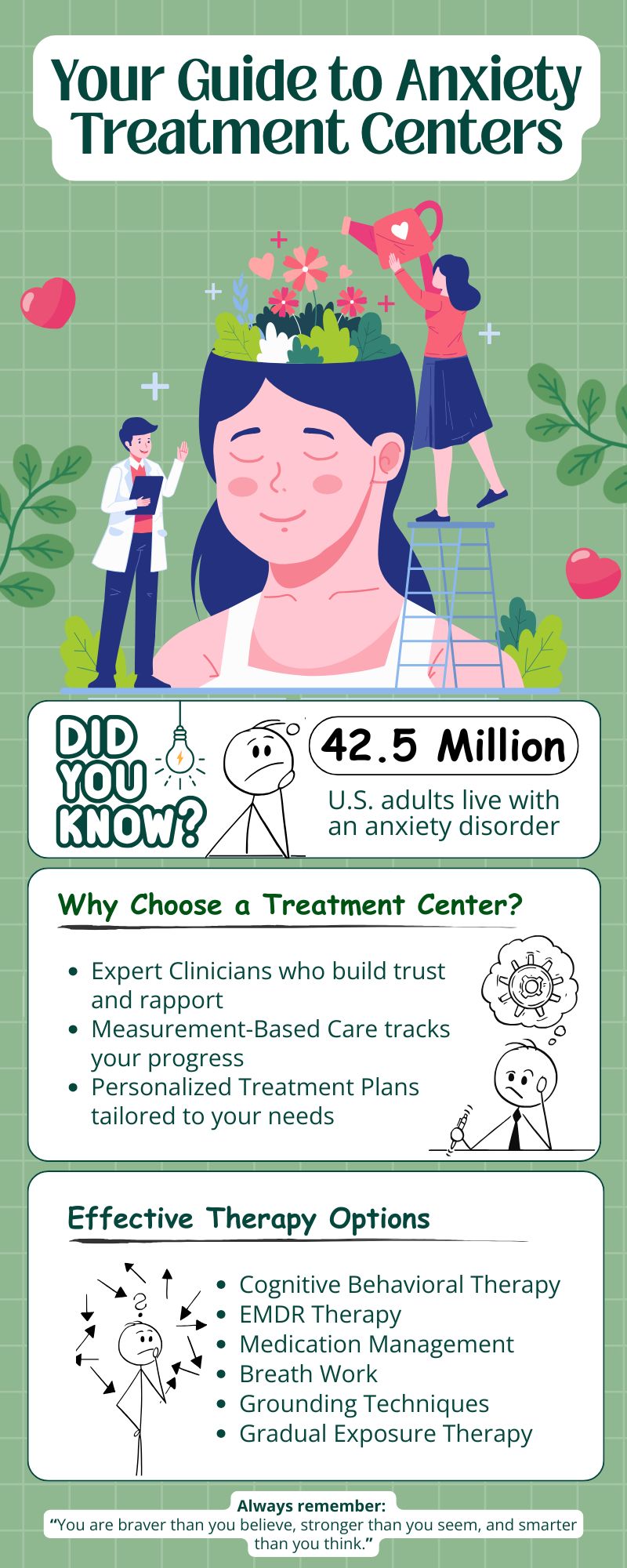
For people living in Lexington, Burlington, Woburn, and other communities along the Route 128 corridor, Bedford provides a nearby option for structured behavioral health treatment.
Psychiatric Support and Medication Management
For some individuals, therapy alone may not address all aspects of their mental health concerns. A comprehensive psychiatric evaluation can help determine whether medication management should be part of an individual’s treatment plan. When medication is recommended, providers consider the person’s symptoms, medical history, current medications, and response to treatment.
Forrest Behavioral Health offers psychiatric services alongside its behavioral health programs. Its clinical approach also addresses co-occurring conditions, recognizing that substance use and mental health concerns may need to be treated together.
For individuals who have started relying on alcohol or other substances to manage stress, an assessment can help determine whether additional addiction treatment is appropriate. The focus is on understanding the underlying concerns and developing a treatment plan that addresses the person’s needs rather than treating each symptom in isolation.
Protect Your Mental Health This Holiday Season
You do not have to wait until the holidays are over to address anxiety, burnout, or other mental health concerns. If stress is beginning to affect your work, relationships, or ability to enjoy everyday activities, seeking professional support can help you understand what is happening and explore appropriate treatment options.
Forrest Behavioral Health provides outpatient mental health and addiction treatment in Bedford, MA, serving individuals from Lexington and surrounding communities. Contact the admissions team to discuss available programs, arrange an assessment, and verify your insurance coverage.
Call (781) 570-5781, email info@forrestbh.com, or visit forrestbh.com to learn more. Taking care of your mental health is not something you need to postpone until January.
Read Next: Trauma-Informed Care for Survivors: Domestic Violence Awareness Month Support in Tewksbury, MA