
Winter Blues or Clinical Depression? When to Seek Outpatient Treatment in Bedford, MA
As the sun sets before the workday ends, many Greater Boston executives experience a noticeable dip in energy and mood. In Massachusetts, up to 10% of the adult population suffers from diagnosed Seasonal Affective Disorder during the dark winter months.
Driven professionals often dismiss these debilitating symptoms as standard first-quarter corporate burnout. They dangerously delay clinical help while their mental health rapidly deteriorates. There is a sharp neurobiological difference between temporary seasonal fatigue and an active clinical depressive episode.
Utilizing the intensive outpatient programs at Forrest Behavioral Health in Bedford stabilizes your brain chemistry safely. You can protect your career and your well-being without waiting for spring to arrive.
The Difference Between the “Winter Blues” and Clinical Depression
Understanding the Standard “Winter Blues”
Seasonal changes are common across New England, especially as daylight hours shorten during winter. Some people notice mild changes in their energy levels, appetite, and sleep patterns, along with a greater preference for comfort foods. These changes can make everyday routines feel a little more difficult, but they do not necessarily indicate a mental health condition.
Someone experiencing the typical winter blues may feel less energetic or motivated, but can generally continue managing work, relationships, and personal responsibilities. They can still enjoy social activities and find pleasure in things they usually like. The symptoms are usually mild and do not significantly interfere with everyday functioning.
Major Depressive Disorder and Seasonal Affective Disorder (SAD)
Seasonal Affective Disorder (SAD) is a recognized form of depression that is associated with seasonal changes, particularly reduced daylight exposure during winter. Shorter days can affect the body’s internal clock and influence serotonin and melatonin regulation, both of which play a role in mood and sleep. As a result, some people experience symptoms that go beyond ordinary winter fatigue, including:
- Persistent low mood, sadness, or feelings of hopelessness.
- Excessive sleepiness and difficulty getting out of bed.
- Changes in appetite, particularly increased cravings for carbohydrates.
- Reduced motivation and difficulty concentrating.
- Loss of interest in activities that would normally bring enjoyment.
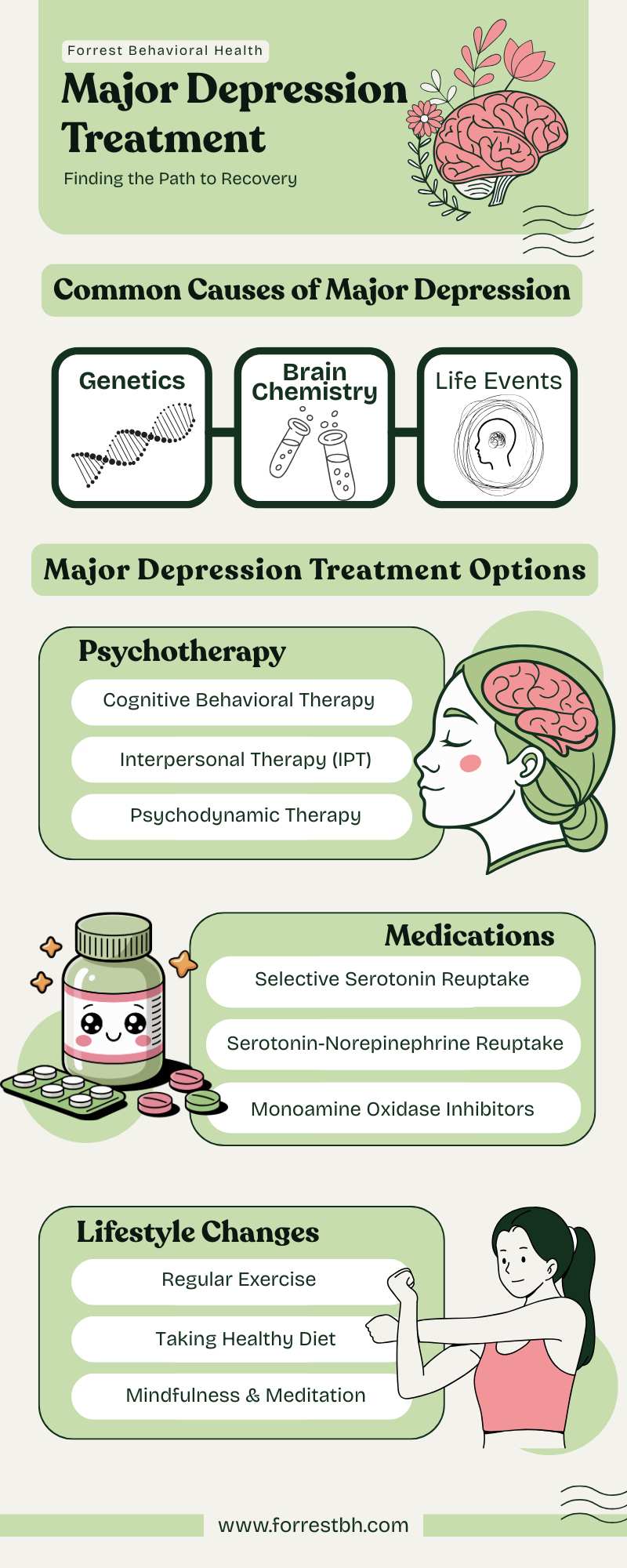
These symptoms can make it increasingly difficult to manage work, relationships, and everyday responsibilities. Unlike the temporary winter blues, SAD can significantly affect daily functioning and may require professional assessment and treatment.
Recognizing the Warning Signs in High-Achieving Professionals
When Depression Starts Affecting Your Ability to Function
Depression does not always make someone stop going to work or managing their responsibilities. For high-achieving professionals, the changes can be much more gradual. Tasks that once felt routine may start requiring considerably more effort, while concentrating during meetings, making decisions, or keeping up with deadlines becomes increasingly difficult.
You might notice that you are taking longer to respond to emails, struggling to prioritize your workload, or forgetting things you would normally remember. Even simple decisions can feel overwhelming, particularly when your mind already feels occupied with persistent negative thoughts and emotional exhaustion. Maintaining the appearance of being productive while dealing with these difficulties can become exhausting in itself.
Social Withdrawal and Physical Symptoms
Depression can also affect how you interact with people and how you feel physically. Someone who once enjoyed spending time with family or attending social gatherings may begin making excuses to avoid them. You might prefer staying home, stop responding to friends, or gradually lose interest in activities that previously brought enjoyment.
Changes in sleep and appetite are also common. Some people struggle with insomnia, while others sleep considerably longer than usual but still wake up feeling exhausted. Persistent headaches, muscle tension, and digestive discomfort may accompany these symptoms. When these changes start affecting your relationships, work, and everyday routine, it may be time to seek professional support rather than continuing to manage everything on your own.
How Forrest Behavioral Health Treats Severe Depression
Flexible Outpatient Treatment Through PHP and IOP in Bedford
Managing severe depression often requires more consistent support than weekly therapy appointments can provide. For people struggling to maintain their daily routines, a structured treatment program can offer the clinical support and regularity needed to begin making progress.
Forrest Behavioral Health offers Partial Hospitalization (PHP) and Intensive Outpatient (IOP) programs in Bedford, MA. PHP provides a higher level of daytime support for individuals who need more intensive treatment, while IOP offers several therapy sessions each week with fewer treatment hours. Both options allow eligible participants to return home after their scheduled sessions rather than staying overnight at a facility.
This approach also gives individuals opportunities to apply what they learn in therapy to everyday situations. They can work on managing difficult emotions, rebuilding routines, and responding to stressors outside the treatment setting, then discuss their experiences with their clinical team during subsequent sessions.
Addressing Negative Thought Patterns Through CBT and DBT
Depression often changes the way people interpret everyday situations. Someone may become increasingly self-critical, expect the worst in future situations, or struggle to recognize positive experiences. These thought patterns can affect motivation, relationships, and the ability to manage responsibilities.
Cognitive Behavioral Therapy (CBT) helps individuals recognize these patterns and understand how their thoughts influence their feelings and behavior. Through guided exercises and regular practice, they learn to question unhelpful assumptions and develop more balanced ways of looking at difficult situations.
Dialectical Behavior Therapy (DBT) offers another set of practical skills, particularly for people who struggle with intense emotions. It focuses on emotional regulation, distress tolerance, mindfulness, and interpersonal effectiveness. These skills can help individuals manage overwhelming feelings, navigate difficult conversations, and respond to stressful situations without becoming consumed by them.
Together, these therapeutic approaches provide practical tools that individuals can continue using outside treatment. The aim is to make everyday challenges more manageable while helping people regain confidence in their ability to handle difficult situations.
Integrated Psychiatric Care and Medication Management
For some individuals, severe depression requires more than therapy alone. Persistent symptoms may warrant a psychiatric evaluation to determine whether medication could be a useful part of treatment. This is particularly important when depression is affecting sleep, concentration, appetite, and the ability to manage everyday responsibilities.
Forrest Behavioral Health provides psychiatric services alongside its outpatient treatment programs. Qualified providers can evaluate symptoms, review treatment history, and discuss appropriate medication options when clinically indicated. If medication is prescribed, follow-up appointments help monitor its effectiveness and identify any side effects that may require attention.
Medication management is not a one-size-fits-all process. Finding an appropriate treatment approach can take time, and recommendations may change as symptoms and individual needs evolve. Combining psychiatric care with evidence-based therapy allows treatment to address both the emotional and clinical aspects of depression.
Step Out of the Darkness and Reclaim Your Winter Today
Living with severe depression can make even familiar responsibilities feel difficult to manage. If persistent low mood, exhaustion, or changes in your ability to function are affecting your personal or professional life, seeking support can help you understand what is happening and explore appropriate treatment options. You do not have to wait until things become unmanageable to ask for help.
Forrest Behavioral Health offers PHP and IOP treatment in Bedford, MA, for individuals dealing with depression and other mental health concerns. If you live in Lexington or the surrounding Middlesex County communities, contact the team to discuss available programs and arrange an initial assessment. Call (781) 570-5781, email info@forrestbh.com, or visit forrestbh.com to learn more.
Read Next: Coping with Holiday Season Anxiety: How a Mental Health IOP in Lexington, MA Can Help